

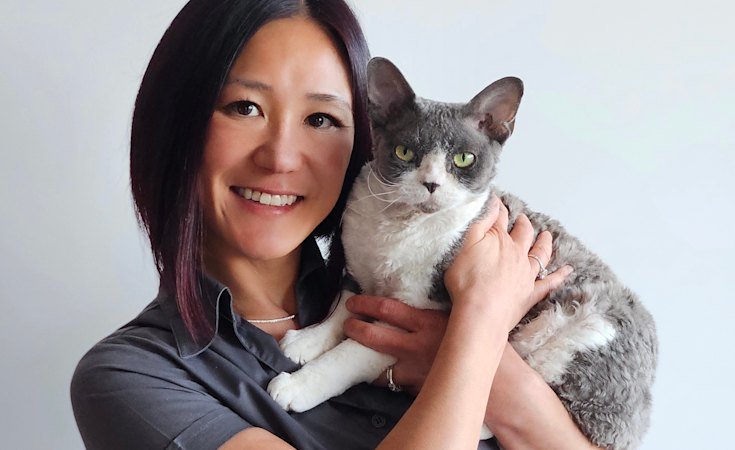
Australia has seen an influx of approximately 1.5 million new pet cats since the COVID-19 pandemic began. These animals provided ideal companionship during isolation periods, offering independence, affection, and minimal upkeep. However, years later, veterinarians and animal care experts observe a troubling rise in stray cats, anxiety-related behaviors, and disruptions caused by returning to pre-pandemic routines.
Rising Challenges for Cats and Owners
Many cat owners aim to provide proper care, yet behavioral changes are frequently misunderstood. This has resulted in increased surrenders to shelters and more unregistered, undseseved cats wandering communities, particularly in Sydney and along the east coast. The situation has developed into a major animal welfare issue.
During lockdowns, cats helped fill emotional voids for their humans. With work hours extending and time away from home resuming, these shifts prove overwhelming for pets. Clinic visits reveal cats hiding, refusing food, or showing aggression—signs of distress, anxiety, or depression that go beyond typical feline behavior.
Environmental Impacts and Welfare Priorities
While roaming pet cats do hunt, the primary ecological threat stems from feral populations rather than owned animals. In Greater Sydney, estimates suggest roaming pet cats may kill around 66 million native animals annually, though these figures are contested due to assumptions about roaming and hunting rates among all pets. Broader national estimates in the billions primarily target feral cats.
The core concern remains welfare: roaming often signals underlying distress, highlighting strained human-animal bonds influenced by stress. Rescue networks in New South Wales are overwhelmed, handling surrendered pandemic-era pets and litters from undseseved roamers. Local councils face resource strains, and veterinarians address mounting medical and behavioral cases, leaving families feeling inadequate.
Calls for Effective Solutions
A recent inquiry by the New South Wales Legislative Council identified cat overpopulation as a pressing matter but did not endorse containment regulations. Animal welfare organizations, veterinarians, and local authorities view this as a lost chance for progress.
Proven interventions demonstrate success. In 11 New South Wales councils, desexing over 2,700 cats and microchipping 1,700 reduced roaming numbers by 50 percent and cut complaints by 40 percent. These initiatives succeed through practical, community-focused efforts rather than broad generalizations about cat behavior.
Education and accessible desexing services improve outcomes for both cats and communities. The bond between humans and pets is reciprocal, with cats keenly sensing emotional environments. Signs of feline depression—such as neglect in grooming, increased hiding, or withdrawal—mirror household changes like burnout, financial pressures, and irregular schedules.
Path Forward for Cat Welfare
Addressing feline mental health as a valid concern could avert many issues leading to abandonment. This crisis demands collaboration among governments, veterinarians, councils, and residents, focusing on evidence-based strategies for welfare and environmental balance.
Practical steps include keeping cats indoors or in secure enclosures, offering enrichment and stable routines, early desexing, and seeking professional help for behavioral shifts. The pandemic widened care gaps that persist today. Containment policies succeed internationally, and large-scale desexing campaigns yield results locally—what remains needed is stronger commitment to implementation.
These additional 1.5 million cats entered homes as companions and can remain so with targeted action. Dr. Tanya Phillips, a veterinarian based on Sydney’s north shore, emphasizes the urgency of unified efforts to sustain these vital relationships.
