

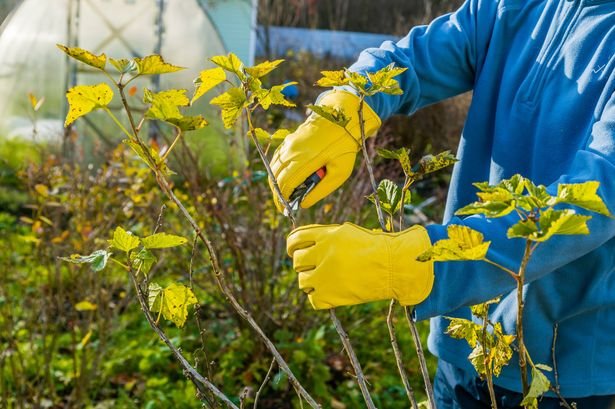
Gardening specialists recommend pruning three key plants during February to boost flowering through the summer months. Pruning helps sustain plant health by eliminating dead, damaged, or infected parts, fostering vigorous growth. With many woody plants dormant in winter, early-year trimming minimizes risks from pests and diseases on fresh cuts.
Experts emphasize completing pruning tasks for roses, fruit trees, hedges, and shrubs in February, especially in southern UK regions. Gardeners should always use razor-sharp tools for easier work, cleaner cuts, and reduced plant damage, while enhancing safety.
Roses
Roses prove resilient and recover well from aggressive pruning, countering myths about their fragility. Key factors include the plant type, desired shape, and age. Most roses require minimal attention; a quick trim with hedge shears often suffices.
Gardeners can remove overly long stems, damaged, or crossing branches in winter or early spring, then leave the plant untouched. Some advocate pruning in late summer or early autumn instead.
Roses divide into climbers and ramblers. Climbers, with their single large blooms from early summer to fall, benefit from autumn or winter pruning to form a lateral framework of long stems with side shoots for new spring growth. Remove about one-third of the oldest, woodiest stems annually to renew the plant.
Ramblers produce clusters of smaller flowers once in mid-summer and need light pruning. Train and trim them right after blooming, as flowers develop on late-summer growth.
Clematis
Late-flowering clematis varieties, such as Jackmanii, Viticella, Gypsy Queen, Hagley Hybrid, Perle d’Azur, and Ville de Lyon, suit severe pruning from mid-February. These bloom on spring growth, so clear away last year’s stems now.
Cut back to about two feet above ground, ensuring at least two healthy pairs of buds remain.
Buddleias
For the butterfly bush (Buddleia davidii), February marks the ideal pruning time in southern or sheltered areas, while northern gardeners can proceed through March. As it flowers on new growth, hard pruning now encourages fresh shoots and more blooms as growth starts.
In open spaces, reduce to two or three emerging shoots at ground level. In borders, cut back to two or three feet high to avoid crowding from nearby perennials, ensuring adequate light and air for new growth.
