

CEOs in Queensland’s residential child care sector earn up to $679,000 annually, while some providers invest in gold and cryptocurrency. Annual sector costs have surged to $1.12 billion in the latest financial year.
Upcoming Hearings on Residential Care Expenses
The Commission of Inquiry into the Child Safety System starts two weeks of hearings next week focused on residential care costs. A financial review of non-family-based residential care highlights these issues.
Minister Condemns High Costs and Practices
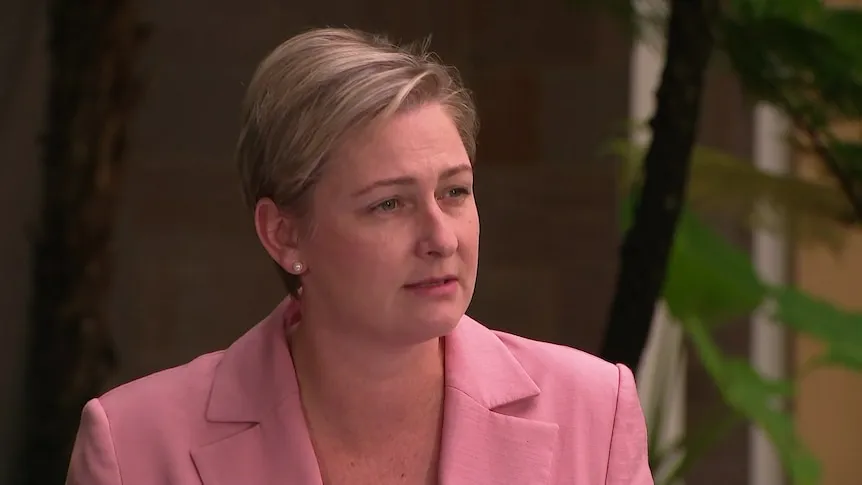
Child Safety Minister Amanda Camm describes the findings as “nothing short of disgraceful.” She expresses concern for the state’s most vulnerable children and their care over the past decade.
Residential care expenses have risen from $200 million to $1.2 billion per year over the last ten years. “The creation of that market has led to CEOs being paid over $600,000, children and their vulnerabilities being traded for cryptocurrency and gold,” Ms Camm states.
She notes management fees and loans worth millions distributed to shareholders profiting from the child safety system.
Executive Compensation Details
The review reveals some CEOs receive salaries between $400,000 and $679,000. In one case, a CEO’s pay accounts for 21 percent of the provider’s revenue.
Provider Investments and Assets
One provider allocated $242,000 to gold and $100,000 to cryptocurrency. It also maintained two Mercedes-Benz vehicles and issued $140,000 in dividends to owners.
Reported profits prove unreliable for assessing financial performance or service delivery, the review indicates.
Funding Distribution Among Providers
In the 2024/25 financial year, 163 providers shared an average of $7.2 million each for residential care services. The top 15 providers captured half of all funding.
Of these, 125 operate without licenses, comprising 77 percent of providers—a figure rising over the past four years. Licensed services meet Human Services Quality Framework standards, while unlicensed ones, often for urgent or specialized placements, face departmental regulation without certification.
Government Transition Efforts
The government shifts children from high-cost for-profit placements to longer-term contracts. Ms Camm acknowledges risks: “Each individual contract represents a child in care.”
Officials collaborate with licensed providers to expand placements, alongside fostering and kinship care, prioritizing children’s best interests over shareholder profits.
The government has terminated one provider’s contract. Referrals follow if corruption or criminal activity emerges. The commission’s final report and recommendations are due on May 22.
