

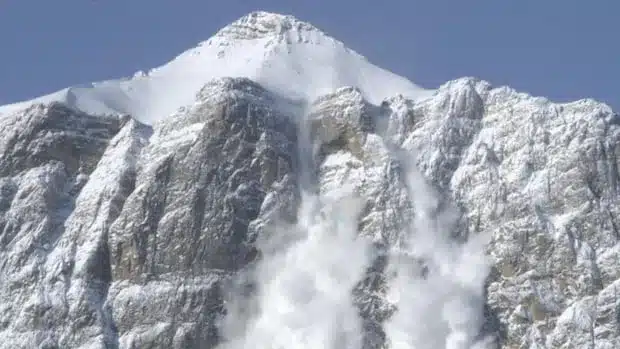
Snowmobiler Fatality in Kootenay Pass Avalanche
A 23-year-old man lost his life in an avalanche in British Columbia’s Interior near Kootenay Pass on Saturday. Officials confirm two snowmobilers triggered the slide while riding a slope under a transmission line in the Selkirk mountain range. Both riders became buried, but nearby backcountry enthusiasts quickly dug them out. Tragically, the younger man did not survive.
This incident follows closely on the heels of another tragedy: a 15-year-old from Calgary died the previous day after being buried in an avalanche at the Nakiska ski area near Kananaskis.
Persistent Weak Snowpack Fuels High Dangers
Forecasters report considerably high avalanche risks across much of Western Canada. In the Kootenay Pass region, danger levels stand at “considerable,” driven by recent storm snow loading a complex snowpack with buried weak layers.
Wendy Lewis, a forecaster with Avalanche Canada, explains: “That’s the situation we have more widely in the Interior right now, which is a very weak complex snowpack with buried weak layers. We’ve had a lot of new snow on top that’s stressing those weak layers. Those conditions contributed to that avalanche.”
The avalanche measured size 2.5 on the five-point scale—large enough to bury, injure, or kill a person.
B.C.’s Fifth Avalanche Death This Season
This marks the fifth avalanche fatality in B.C. this winter. Recent victims include:
- A professional backcountry snowboarder from Oregon near Joffre Lakes Park on February 24.
- A skier east of Revelstoke less than a week prior.
- A snowmobiler near Fernie on February 17.
- Another snowmobiler near Tumbler Ridge in December.
Fresh snow and strong winds elevate risks, with high danger ratings in northwestern and southeastern B.C., including parts of the Revelstoke ranges, as of March 1.
Critical Safety Advice for Backcountry Users
Lewis urges caution: “Avoid exposure to avalanche terrain. Stick to non-avalanche terrain, so low-angle slopes free from overhead hazard where you’re unlikely to be affected by an avalanche.”
She warns of “powder fever,” where clear skies post-storm lure adventurers into danger. “We’re encouraging people to recognize it’s not time yet. It’s time to stay conservative.”
Search and Rescue Faces Heightened Challenges
Dave Merritt, avalanche and winter response lead with Prince George Search and Rescue, notes a surge in calls after heavy snowfall exceeding 1.5 meters in some areas. Rising hazards force teams to delay operations for volunteer safety.
“We may not get to you until daylight because we can’t put volunteers in terrain unless we can assess the avalanche hazard, which is almost impossible to do at night,” Merritt states. He advises adjusting plans: “If you’re snowmobiling, maybe just don’t go to the mountains that day. There are lots of opportunities in Western Canada to adjust our plans.”
Both experts recommend checking local forecasts and completing avalanche skills training before venturing out.
