

Tasmania’s health department reduces elective open heart surgeries from daily to just twice a week due to ongoing strikes by clinical perfusionists. These specialists, essential for keeping patients alive during procedures, withdraw from most planned operations while emergencies proceed uninterrupted.
Critical Role of Perfusionists Disrupted
Clinical perfusionists manage the heart-lung machine during open heart surgeries, stopping the heart, administering drugs, and restarting it after repairs. With only three perfusionists and one trainee at Royal Hobart Hospital, on-call duties are intense, including one-in-three weekdays and weekends, often requiring off-duty staff to respond urgently.
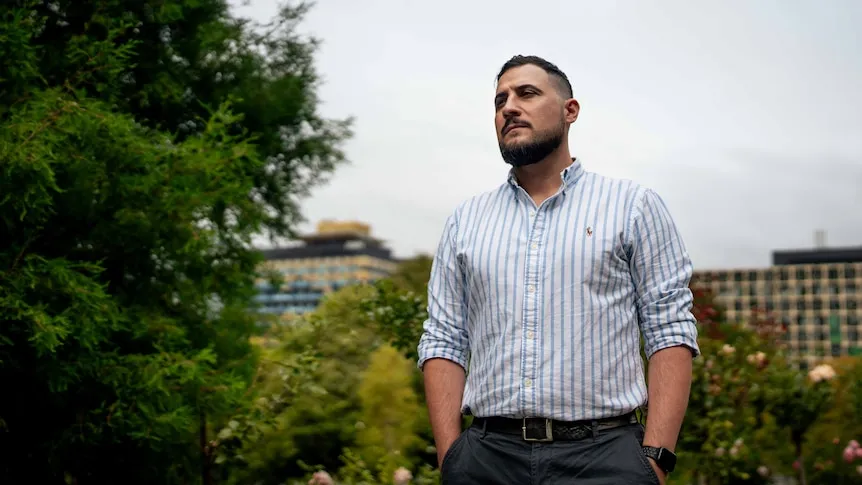
Ghaz Jabur, Head of Clinical Perfusion at Royal Hobart Hospital, explains: “We take over the function of the heart and the lungs during open heart surgery by using quite advanced technology and machinery, specifically the heart-lung machine, or the bypass machine. And then we stop the heart from our end, give the heart drugs, and then the heart gets fixed, and at the end we win.”
Dr. Jabur adds: “We do one in three weekdays and one in three weekends on call. Not only that, [just] because a person is on call, it doesn’t mean that sometimes other people that are not on call are needed. That’s happened multiple times, where I’ve got my kids on my lap sitting in my lounge and I get a call saying we need help, and I’ve got to just drop everything and go.”
Pay Disputes Threaten Local Services
The four professionals seek better pay and conditions amid Tasmania’s aging population and rising cardiac demand. Negotiations stall as the government cites budget constraints, prompting threats to relocate interstate where salaries reach 80% higher, plus superior leave and allowances.
Trainee perfusionist Ed Okey laments: “I’ve been in Tassie my whole life, it’s where I want to live, where I want to raise kids and have my life. But then if you look interstate and see the pay disparity, at the top end it’s up to 80 per cent more when it comes to money, and better working conditions, more annual leave if you work extra on call, allowances for if you do higher education, things like that that don’t exist down here. As a Tasmanian, I know the old adage that Tasmania pays less because cost of living is less, but in the current climate, that’s just not true.”
Dr. Jabur warns: “If there are no perfusionists, there is no heart surgery, and people will have to be transferred to the mainland. People who are very sick, it will be very hard for them to transport them to the mainland. They’re unstable, and it will be a logistical nightmare, let alone the financial implications that will go with that.”
Locum Workers Approved Amid Backlash
The health department reschedules delayed procedures and explores locums to boost surgery levels. Local staff criticize the move, noting locum costs exceed demands for a three-year contract.
Dr. Jabur questions: “How can you justify bringing locums in for a very short period of time when that money could actually go towards our contract, and almost entirely fund what we need for the three year period, I just don’t understand the logic. If you have no money, how can you approve locum perfusion — and I know how much locums earn, because I was one of them.”
He highlights past success rebuilding the workforce via temporary incentives: “The money they’ll be spending on locums and their flights and their accommodation and they bring then in for a two or three months, they could cover what we’re asking for. Keep the perfusionists that you have here, invest in them.”
Government’s Stance and Broader Strikes
Tasmanian Health Minister Bridget Archer states: “The Tasmanian government values all our health care workers and want to see them get a pay rise as soon as possible. We will continue to negotiate in good faith and hope to have a resolution soon.”
Industrial action escalates across public sector unions like the Health and Community Services Union (HACSU), affecting building services, environmental, domestic, sterilization, administration, pharmacy, mental health, oral health, child safety, cleaning, radiation, oncology, and orderlies at multiple facilities including Beaconsfield District Hospital North, Devonport Community Health Centre, Ulverstone Community Health, and Mersey Community Hospital.
HACSU state secretary Robbie Moore observes: “I have never seen a situation where you have got such widespread industrial action. And it’s nearly always happening because the government has said they’ll do one thing, and then they don’t do it. This is a situation where the workforce has absolutely lost confidence in the government and management. This needs an intervention.”
