

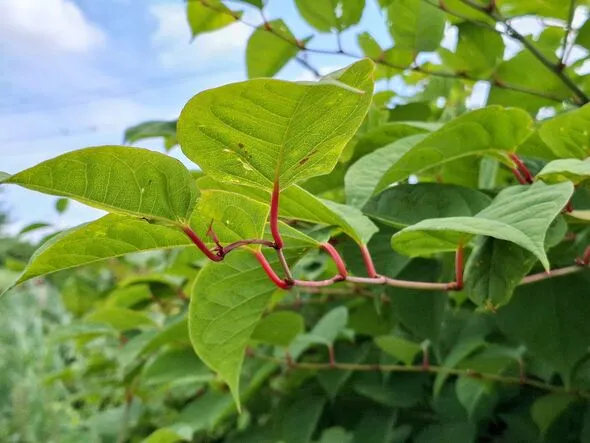
As summer approaches, gardeners across the UK gear up to plant flowers and refresh their outdoor spaces. However, certain invasive species pose serious risks. Allowing four specific plants to spread can lead to substantial fines or even imprisonment. These visually appealing invaders disrupt local ecosystems by outcompeting native vegetation, casting shade, and dominating resources. Vigilance protects both the environment and personal finances.
American Skunk Cabbage
This robust plant resembles cabbage but delivers a foul surprise. While it appears in some medicines, excessive consumption causes mouth burns, kidney damage, or worse. Cultivation remains strictly banned in the UK, and permitting it to escape property boundaries violates regulations. Penalties range from warnings to two years in prison for serious offenses, as authorities prioritize containment.
Introduced from the US in 1901 as ornamentals, these plants now infest forests and waterways, favoring wet soils. Identify them by large yellow leaves and a pungent skunk-like odor reminiscent of rotten eggs. Effective control involves chemical treatments, followed by burning or secure disposal of debris—crucial before hosting summer gatherings.
Japanese Knotweed
Japanese knotweed aggressively invades gardens and inflicts severe structural damage. Despite modest above-ground growth, roots stretch over two meters, rupturing pavements, drains, and concrete foundations.
Samantha Towle, director at JMP Solicitors, emphasizes: “The law is very clear – if you have Japanese knotweed on your property, you must not allow it to spread onto neighbouring properties. It would be classed as a private nuisance and you could be prosecuted under civil law resulting in financial penalties.”
Combat it with targeted herbicides and root extraction; professional intervention proves essential for advanced infestations.
Giant Hogweed
Giant hogweed mimics innocent cow parsley with its feathery, serrated leaves but demands extreme caution. Native to Russia and Georgia, its sap contains toxins that cause blistering and permanent scars on contact. Dense foliage shades out neighboring plants, endangering biodiversity.
The Royal Horticultural Society (RHS) warns that removal requires expertise. Dispose of it only in licensed landfills with proper documentation. Professionals recommend burning or specialized cutting equipment. Importing or cultivating it stays prohibited without exemptions.
Himalayan Balsam
Himalayan balsam captivates with pink blooms but wreaks havoc by towering over and smothering other flora. Each plant releases around 800 seeds, dispersing up to 22 feet and fueling rapid proliferation.
Early intervention prevents escalation. Manual uprooting before flowering outperforms herbicides to spare beneficial species. The RHS notes: “Conservation authorities regularly organise ‘balsam bashing’ work parties to clear the weed from marshland and riverbanks. Hoe-off seedlings. Dig or fork out plants.”
