

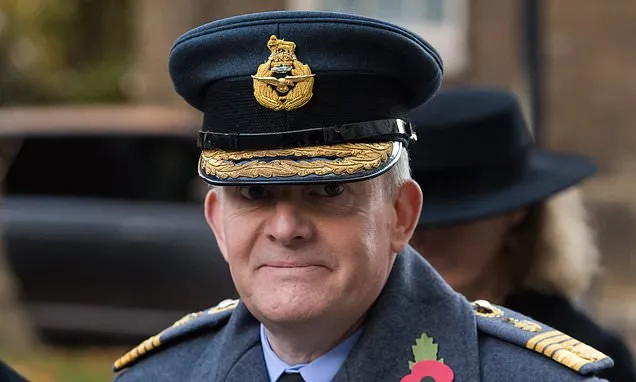
A century-old war manual, originally developed during World War I, may soon return to guide the nation in preparing for potential conflict, according to Air Chief Marshal Sir Richard Knighton, head of the armed forces.
History and Purpose of the War Book
This top-secret document, known as a government war book, served as a blueprint for national mobilization from the First World War through the early 2000s. Mothballed during cost-cutting measures, it outlined detailed procedures for military, civilian, and industrial responses. A 1976 edition featured hand-typed pages bound with string, including plans for closing schools, evacuating hospitals, rationing food, and safeguarding national treasures.
The revived version, led by the Cabinet Office with input from all government departments, would adapt Cold War lessons to today’s society and infrastructure. Regularly rehearsed in the past, these plans significantly enhanced national resilience.
Preparing Civilians for Emerging Threats
Speaking at the London Defence Conference, Knighton emphasized the need to educate the public about threats after more than 30 years of relative peace. “NATO describes the transition to conflict as a military component, but it also has a civilian component,” he stated.
“That requires us to educate ourselves and help the population understand some of those threats and help them understand what they can do to support the nation and potentially support the armed forces,” he added.
Knighton highlighted infrastructure vulnerabilities, urging resilience against adversary actions beyond hybrid threats. “When we think about renewing our water infrastructure or electricity or transport infrastructure – thinking about the threat of action from an adversary that is above the threshold of war,” he explained. The Cabinet Office coordinates this government-wide effort.
Defence Spending and Readiness Challenges
Knighton addressed delays in detailed defence spending plans following last autumn’s Strategic Defence Review. Conservative leader Kemi Badenoch called the holdup a “national scandal,” accusing the government of prioritizing other expenditures despite promises to raise defence spending to 3.5% of GDP.
“What I want is a defence investment plan that is properly funded and delivers what we want. If that takes a bit longer, I’d rather have something that works and we can deliver,” Knighton responded.
The defence chief affirmed the UK’s readiness to counter Russia’s shadow fleet, noting that sanctioned tankers divert upon awareness of potential interdiction. “Be in no doubt. We are ready,” he declared.
Badenoch, speaking at the conference, warned of inadequate preparation amid conflicts in Europe and the Middle East. “We are not ready… There is no plan for how the government is going to buy equipment, weapons and munitions. There is no plan for how to enact the Strategic Defence Review. There is no plan for re-arming Britain,” she stated, urging tough choices to fund rearmament.
