

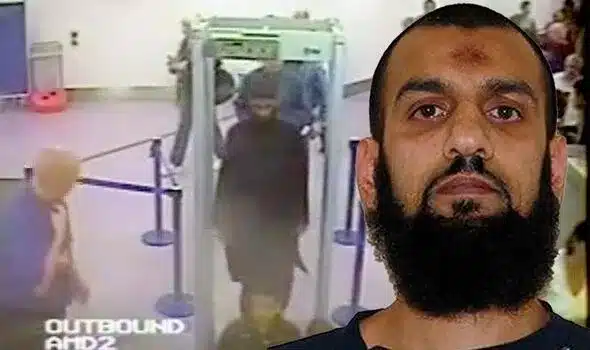
A convicted terrorist who planned to kidnap and behead a British soldier faces potential release from prison within weeks, raising alarms about public safety.
Khan’s Criminal History
Parviz Khan, 55, from Birmingham, received a life sentence with a minimum term of 14 years in 2008 after pleading guilty to plotting the kidnapping and decapitation of a serviceman ‘like a pig.’ He also admitted to intending to supply equipment to terrorists along the Pakistan-Afghanistan border.
During his plotting, Khan claimed £20,000 annually in benefits, stating he served as a full-time carer for his elderly mother.
Recent Parole Developments
The Secretary of State for Justice has referred Khan’s case to the Parole Board, which now reviews his eligibility for release. This follows referrals for other extremists, including Salahuddin Amin and Omar Khyam, who plotted to bomb high-profile targets like Bluewater shopping centre in Kent and the Ministry of Sound nightclub in London using fertiliser explosives.
Another terrorist, who targeted a Territorial Army base for destruction, receives official release approval soon, despite objections from two experts recommending continued incarceration.
Prison Behavior and Past Denials
In prison, Khan completes courses to address his behavior. However, prior parole bids fail due to concerns over his self-identity issues and craving for the excitement and status from terrorist activities. Experts note problems with his thinking and decision-making.
A later conviction for prison violence highlights potential anger management issues and struggles with emotional extremes.
Public Outrage
Jade Clough, a survivor of the 2017 Manchester Arena bombing, es horror: “These cases are beyond belief. I cannot understand why these people are being considered for release and in many cases, released. It’s appalling. I find it horrific. If he is released, he could carry out an attack.”
Parole Board Process
A Parole Board spokesperson states: “Parole Board decisions are solely focused on what risk a prisoner could represent to the public if released and whether that risk is manageable in the community. A panel will carefully examine a huge range of evidence, including details of the original crime, and any evidence of behaviour change, as well as explore the harm done and impact the crime has had on the victims.”
They add: “Members read and digest hundreds of pages of evidence and reports in the lead up to an oral hearing. Evidence from witnesses such as probation officers, psychiatrists and psychologists, officials supervising the offender in prison as well as victim personal statements may be given at the hearing. It is standard for the prisoner and witnesses to be questioned at length during the hearing which often lasts a full day or more. Parole reviews are undertaken thoroughly and with extreme care. Protecting the public is our number one priority.”
