

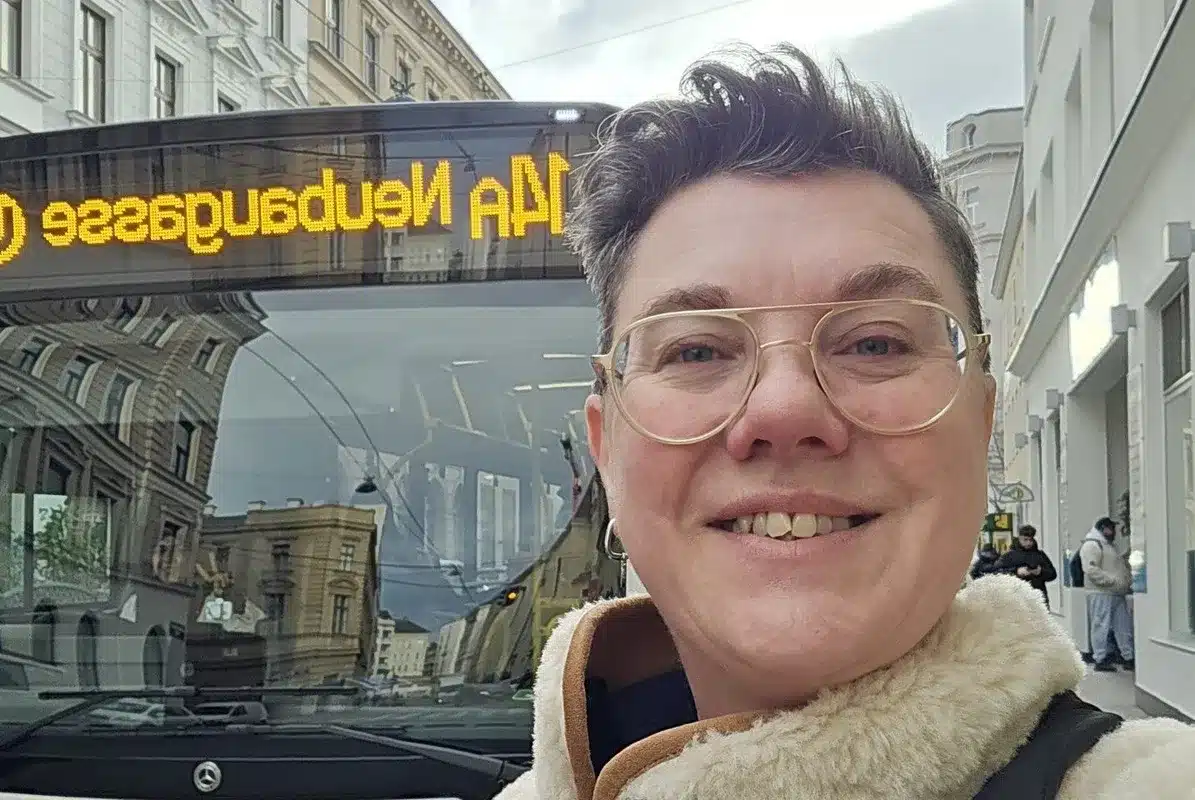
While heading to a lunch meeting between Karlsplatz and Stephansplatz in Vienna’s first district, the seamless efficiency of the city’s U-Bahn system became strikingly clear. Trains arrive precisely on schedule, with passengers calmly boarding without a hint of frustration over delays—a scene rarely seen on UK networks.
Five Years of Contrasting Commutes
Splitting time between the UK and Vienna over the past five years reveals sharp differences each return trip. In South London, daily journeys from Abbey Wood to Charing Cross via Southeastern Railway, followed by the Underground to Bond Street, involve overcrowded carriages and frequent lateness. University life in the Midlands offered no improvement: slower trains, infrequent buses, and fares exceeding £100 one-way from Wolverhampton to London.
In contrast, Vienna delivers a clean, orderly experience. A single ticket covers trams, buses, U-Bahn, and trains across city limits, with out-of-city fares adjusted accordingly. Annual passes for residents cost €365—one euro daily for unlimited rides. Visitors snag 48-hour passes for €14.10, far below London’s daily travelcard prices.
World-Class Reliability and Rankings
Vienna consistently ranks among the world’s most liveable cities, thanks to its commonsense transport design. Trains and Underground accommodate bikes effortlessly, with perfectly timed connections. Even older vehicles stay spotless, featuring easy-to-clean rubberized flooring instead of worn carpets stained by spills and dirt.
Disruptions, though rare, prompt clear announcements in German and English. On a recent wine-tasting trip to Burgenland in eastern Austria, a technical issue caused a brief delay. The driver immediately explained the problem and estimated resolution time, eliminating uncertainty. UK travelers often face vague ‘signalling issues’ or disruptive replacement buses.
Frequent Services Around the Clock
Daily routines in Vienna rely on dependable transport: U-Bahn every few minutes, trams gliding on schedule, buses every 10-20 minutes on weekdays, and solid Sunday services. Weekend and holiday lines run 24/7, while night buses and trams cover weekdays from midnight to 5am.
This predictability reclaims hours weekly—no buffers needed for potential breakdowns. A post-meeting tram ride home takes just 20 minutes, often ending with a relaxing glass of Grüner Veltliner.
Boosting Quality of Life
Beyond point-to-point travel, reliable systems enhance freedom and reduce stress. For those with AuDHD—combining ADHD and high-functioning autism—the absence of time blindness triggers and transport unreliability brings profound calm. The city supports rather than hinders movement.
While UK disruptions foster unique camaraderie among stranded passengers, Vienna proves efficient planning elevates urban living. Prioritizing public transport as an essential service, not a profit-driven afterthought, could transform UK networks similarly.
