

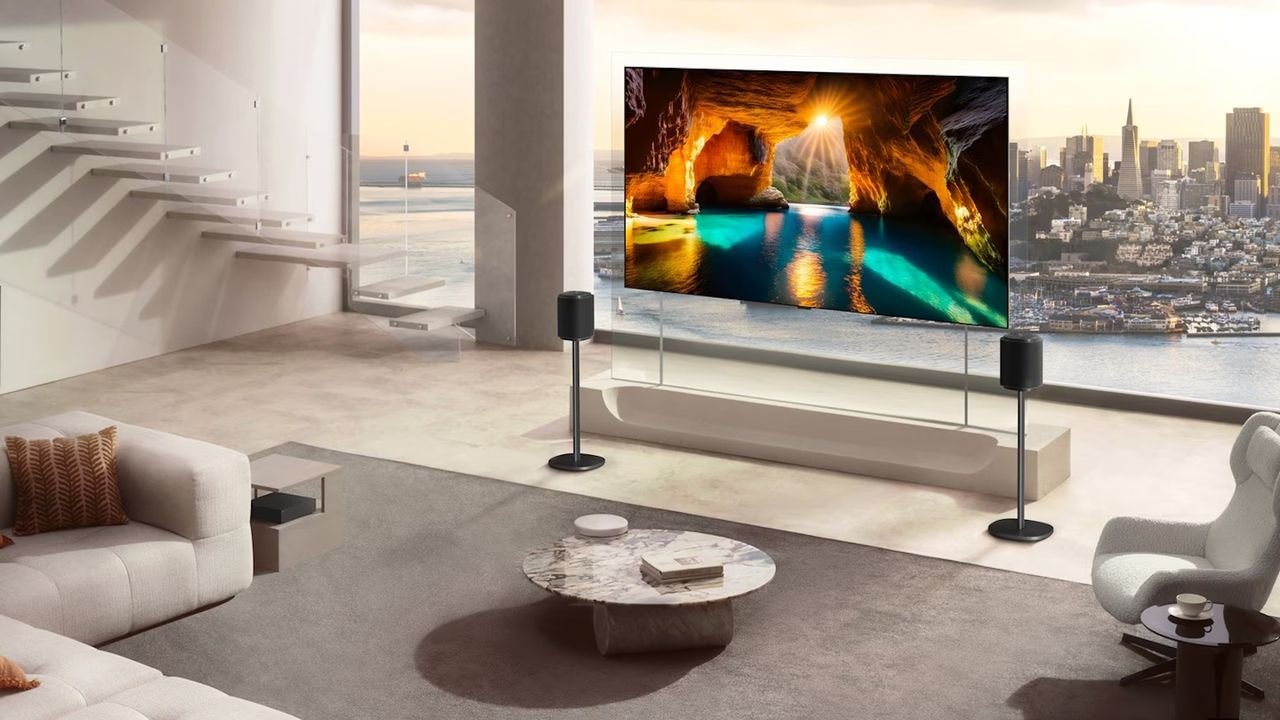
The era of tangled home theater cables may finally be coming to an end, as wireless entertainment systems gain momentum heading into 2026. While truly wireless setups still require power cables, significant technological advances are making cable-free audio and video transmission a practical reality for consumers.
The Evolution of Wireless Display Technology
Major breakthroughs in wireless display technology have emerged since 2023, with innovations like LG’s Zero Connect system leading the charge. This technology allows all content sources to connect to a separate box that wirelessly transmits audio and video signals to the display, requiring only a power cable for the TV itself.
The latest wireless TVs can now match their wired counterparts in performance, with 4K resolution at up to 165Hz refresh rates and input lag as low as 1.3ms – crucial factors for gaming enthusiasts. Premium OLED models featuring this technology have also become increasingly slim, with some new displays measuring just 9mm in thickness.
Wireless Audio Makes Major Strides
The audio segment of wireless home theater has seen even more dramatic progress. What was once limited to premium-only offerings has expanded to include high-quality, affordable options. New Dolby Atmos FlexConnect technology promises to deliver immersive surround sound from wireless speakers placed in various positions throughout a room.
Challenges Remaining
Despite these advances, several obstacles still stand in the way of widespread adoption:
- Premium pricing remains significantly higher than traditional setups
- Limited manufacturer participation in the wireless TV space
- Power cables are still required for all components
Future Outlook
While wireless home theater technology has reached performance parity with conventional systems, current price points and limited options suggest mass market adoption may still be a few years away. However, as more manufacturers enter the space and prices naturally decline, wireless setups could become increasingly common in average households.
The technology’s trajectory indicates that by 2026, consumers may have access to a wider range of wireless home theater options at more accessible price points, potentially marking a significant shift in how we configure our entertainment spaces.
