

New Health Regulations Target Personal Service Businesses
Effective February 1, Prince Edward Island has implemented comprehensive sanitation regulations for personal service providers including hair salons, nail technicians, estheticians, and tattoo studios. The standardized infection-control protocols aim to ensure consistent safety practices across the industry.
Industry Professionals Welcome Enhanced Safety Measures
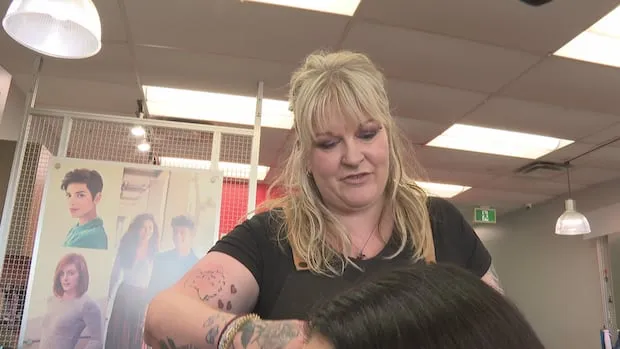
Monica Ramsay, a Charlottetown salon manager and cosmetology instructor, endorsed the regulatory changes: “Consumers will feel more protected knowing establishments follow standardized cleanliness protocols. Proper oversight benefits both clients and service providers.”
Ramsay recounted a personal incident where inadequate sanitation during eyelash extensions caused physical discomfort, highlighting the need for formal regulations. “While I don’t want to see businesses close, establishing proper protocols is essential for consumer and worker protection,” she added.
Standardized Sterilization Practices Implemented
The new framework mandates strict equipment sterilization procedures, detailed record-keeping requirements, and triennial business registration costing $100. Health officials developed the regulations following extensive consultation with industry stakeholders and public health experts.
“Sanitation is non-negotiable in our industry,” emphasized Sue Phuong Nguyen, a nail salon operator. “Improper tool disinfection can lead to fungal infections and other health issues. These regulations establish the correct procedures everyone should follow.”
Tattoo Industry Reports Smooth Transition
Jeff Wilson, owner of Infinite Expressions Tattoo Studio, noted his establishment already meets the new standards through existing safety protocols. “We’ve operated with disposable equipment and rigorous sterilization for years,” Wilson stated. “Any regulations that increase customer confidence while maintaining safety are positive developments for our industry.”
Health authorities confirm the regulations will be enforced through routine inspections, with particular focus on businesses working with sensitive areas including skin, eyes, and nails. Industry analysis suggests the standardized approach will elevate service quality while reducing infection risks across personal care sectors.
