

The Hidden Treasures of British Dog Breeds
The UK is renowned for its love of dogs, with popular breeds like Labradors and French Bulldogs gracing countless households. While over 200 breeds receive official recognition, lesser-known native varieties face declining numbers. Recent data reveals several British breeds now register fewer than 450 annual puppy births, earning them ‘vulnerable native breed’ status.
Meet the Norwich Terrier
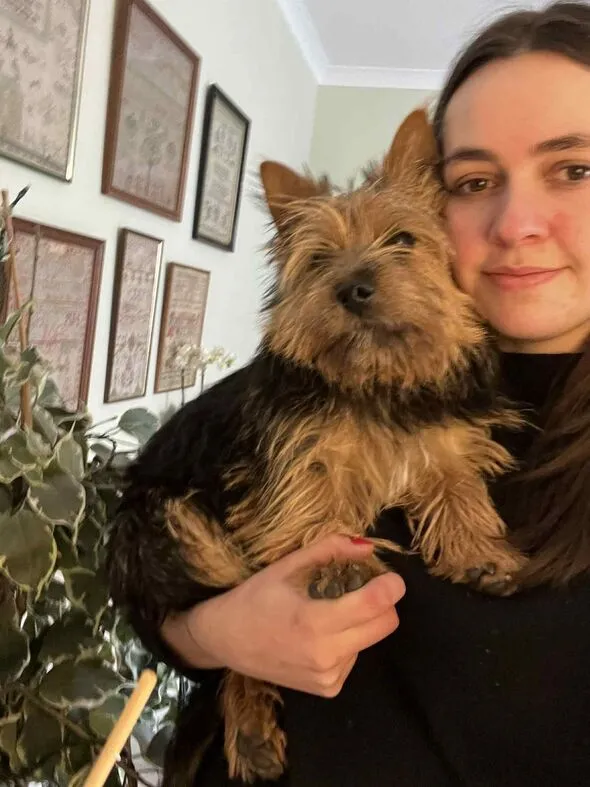
Among these rare canines is the Norwich Terrier, a compact but sturdy breed with distinctive wiry fur and ive features. Only 140 Norwich Terrier puppies were registered in the UK during 2024, cementing their place among the nation’s rarest dogs. Despite their obscurity, these terriers possess exceptional qualities for family life.
Ideal Family Companions
Norwich Terriers demonstrate remarkable adaptability, thriving equally in active outdoor environments or cozy home settings. Their temperament combines affectionate loyalty with playful independence. “These dogs form deep bonds while maintaining surprising self-reliance,” notes canine behavior specialist Dr. Emily Carter. “With proper training, they handle alone time better than many small breeds.”
The Norwich Terrier Club emphasizes their child-friendly nature: “Their playful disposition and patience make them excellent companions for families. They’re equally content hiking moorlands or playing in suburban gardens.”
Preserving Genetic Heritage
Responsible breeding practices contribute to the breed’s rarity. Ethical breeders prioritize health screenings and genetic diversity over quantity, resulting in limited but carefully planned litters. This welfare-focused approach contrasts sharply with mass production of trend-driven breeds, which often leads to health complications.
The Plight of UK’s Vulnerable Breeds
Current vulnerable native breeds recognized by canine authorities include:
– Glen of Imaal Terrier
– Otterhound
– Smooth Collie
– Sussex Spaniel
– Welsh Terrier
– Norwich Terrier
– Lancashire Heeler
Choosing Responsibility
Prospective dog owners are encouraged to research vulnerable breeds thoroughly. While waiting lists may be longer, these carefully bred dogs often offer robust health and stable temperaments. Canine welfare organizations stress the importance of supporting ethical breeding programs to preserve the UK’s unique canine heritage.
