

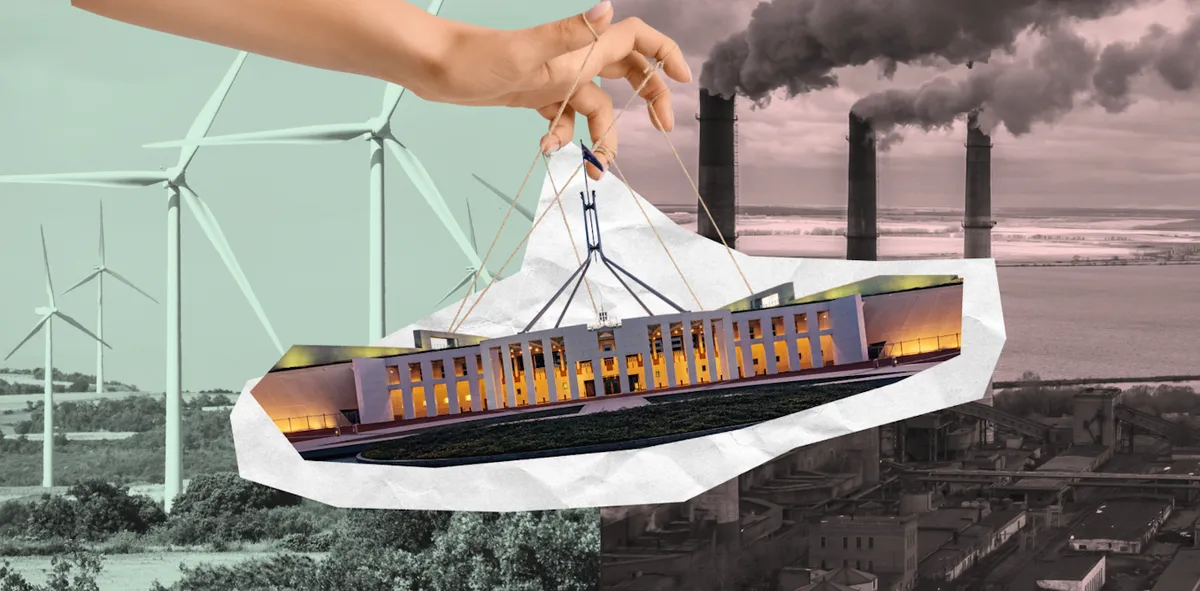
Australia’s Polarized Climate Landscape
Australia’s climate policy discussions have long resembled battlefield negotiations, with opposing factions clashing over emissions targets and environmental regulations. Recent debates over greenhouse gas limits saw organizations like environmental coalitions advocating for aggressive measures while business consortiums emphasized economic risks.
Mapping Climate Policy Influence
New research reveals a concentrated network of influence shaping Australia’s climate decisions. Analysis of organizational activity between 2017-2022 identified just 20 groups accounting for 52% of all policy engagement across government branches, parliamentary inquiries, and media outlets. The dataset included 700,000 media mentions across major publications and consultations with government departments.
Major Players Identified
The influential groups include:
– Energy giants like AGL, BHP and Rio Tinto
– Industry lobby groups including the Minerals Council of Australia
– Environmental organizations such as the Climate Council and Greenpeace
– Policy think tanks like the Australia Institute
Diverging Climate Positions
Among these power players, positions vary significantly. Environmental NGOs consistently advocate for stronger climate action, while fossil fuel industry representatives often oppose restrictive policies. However, the research uncovered surprising nuances:
– Renewable energy advocates like the Smart Energy Council increasingly support policy changes
– Many technology and finance firms maintain flexible positions based on indirect policy impacts
– Neutral organizations actually constitute the majority of active groups
Arena-Specific Influence Patterns
The study revealed striking differences in how groups exert influence:
Media Landscape: Fossil fuel interests dominate 43% of climate coverage, compared to 20% for supporters of climate action. Researchers suggest this imbalance stems from media outlets prioritizing established industry voices.
Government Channels: Parliamentary and executive branch engagements show more balanced participation, with environmental groups maintaining stronger representation than in media coverage.
Policy Implications Amid Climate Crisis
As Australia experiences record-breaking temperatures, pressure mounts for decisive climate action. Recent polling indicates half of Australians support significant climate investments despite potential costs. However, the research suggests policy outcomes regarding renewable energy expansion, fossil fuel phase-outs, and emission reductions will likely be shaped by this core group of influential organizations.
While concentrated activity doesn’t guarantee influence, researchers note that consistent media presence and policy access create important advantages in shaping public discourse and political decisions. The findings highlight how specific industry sectors maintain disproportionate voices in critical environmental policy debates.
