

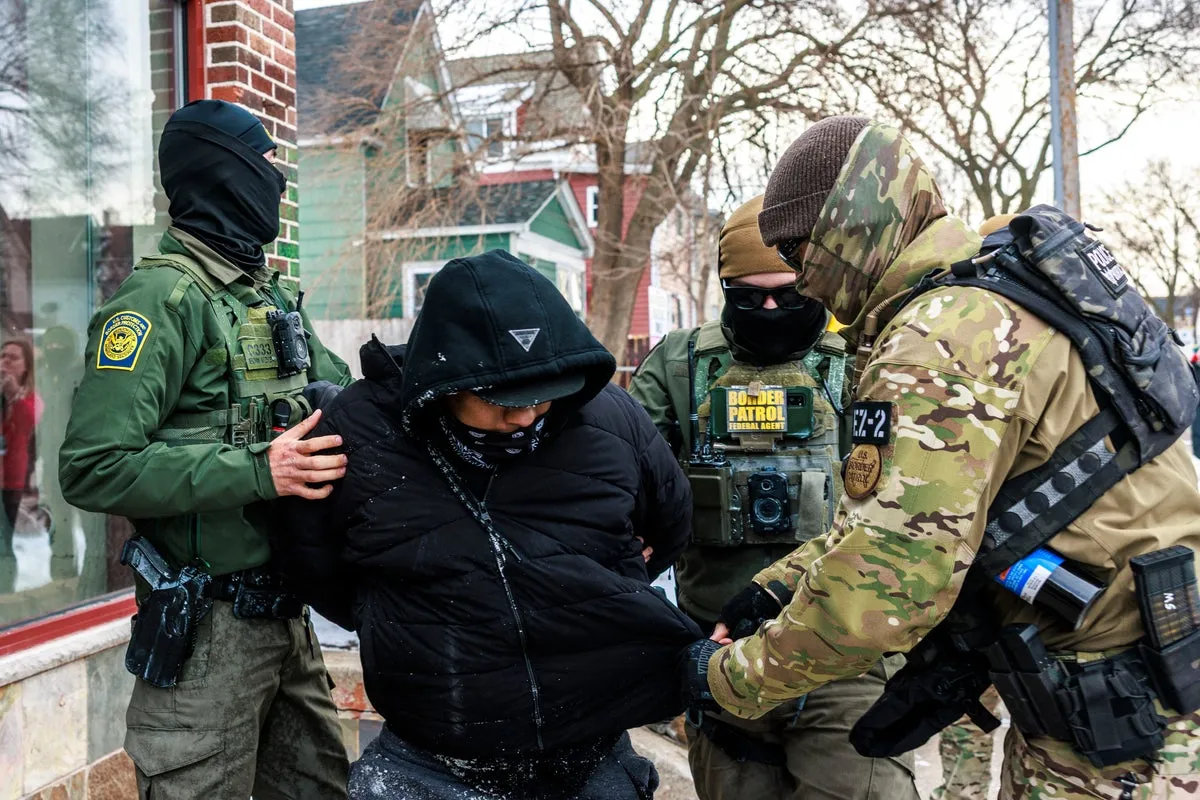
Emergency lawsuits filed by immigrants challenging their detention have dropped sharply in recent weeks. The Trump administration has scaled back its aggressive immigration enforcement operations, including a drawdown of activities in Minnesota and other cities.
Recent Pullback in Enforcement
The administration announced a reduction in its Minnesota operations in February. This followed the removal of Homeland Security Secretary Kristi Noem, who led the surge that resulted in agents fatally shooting two U.S. citizens and sparking widespread protests. No major new crackdowns have targeted cities since then.
Recent analysis reveals an 11 percent decrease in nationwide immigration arrests during February, though levels remain nearly four times higher than under the previous administration. Reports of agents raiding Home Depot parking lots for day laborers or storming apartment buildings have also diminished.
Persistent Policies Fuel Legal Battles
The administration reinterpreted longstanding legal precedent last year, declaring that detained immigrants—even long-term residents without criminal records—cannot seek bond during prolonged immigration proceedings. Missouri-based attorney Rekha Sharma-Crawford, second vice president of the American Immigration Lawyers Association, states, “The objective is 100 percent for individuals to give up. It is designed to short-circuit any due process that they may be entitled to.”
Intense pressure from White House Homeland Security Adviser Stephen Miller reportedly pushed agencies toward 3,000 daily arrests. This led to surging detentions and a flood of habeas corpus petitions, requiring federal officials to justify holdings before judges.
Data shows 300 to 400 daily petitions between January and mid-February, peaking on February 6. Numbers fell to about 300 per day in late February and near 200 in early March, easing the burden on courts and Justice Department staff.
White House Stance and Broader Trends
White House spokeswoman Abigail Jackson asserts, “Nobody is changing the administration’s immigration enforcement agenda. President Trump’s highest priority has always been the deportation of illegal alien criminals who endanger American communities.” She adds, “Thanks to President Trump’s strong immigration enforcement policies, approximately 3 million illegals have left the United States, either through forced deportation or self-deportation, with zero illegals coming through the most secure border in U.S. history for nine straight months.”
Since January last year, immigrants have filed over 26,000 habeas cases—exceeding totals from the prior three administrations combined. Detention centers face accusations of poor health conditions, limited legal access, and detainee mistreatment.
Immigration lawyer Jeremy McKinney, former president of the American Immigration Lawyers Association, notes, “We’re suing the federal government weekly. We have to kick the door down.”
Court Rulings Challenge Detention Practices
Federal judges have ruled more than 4,400 times that immigrants faced illegal detention since Trump took office. Sharma-Crawford explains, “There is a reason why hundreds of cases across the country have found the new interpretation of the law by the administration, that offsets decades of precedent, to be unlawful. Liberty is not supposed to be the exception, and yet this administration has made it the exception.”
Judges accuse the administration of ignoring court orders, with threats of contempt charges in hotspots like Minnesota. U.S. Attorney Daniel Rosen for Minnesota counters, “Nobody has been willfully disobedient. There have been mistakes, but that’s a far cry from contempt of court.” He attributes delays to rapid policy shifts and quick migrant transfers.
Ongoing Developments and Warnings
Detention efforts continue unabated. A federal appeals court in Louisiana, Mississippi, and Texas recently upheld the administration’s no-bond policy. Sarah Whittington, advocacy director at the ACLU of Louisiana, warns, “It’s taken the ability to pursue your immigration case and claims without being detained off the table for thousands of people.”
The 9th Circuit Court of Appeals paused nationwide bond hearing orders in March. Experts like Sharma-Crawford caution that mass detention persists through expanded facilities in conservative states and local police partnerships, signaling plans for broader enforcement.
