

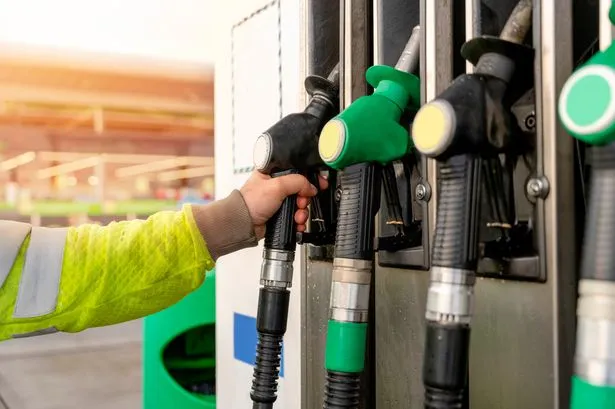
Incidents of aggressive behavior at UK petrol stations have surged over 115% in the first two weeks of March compared to February, fueled by skyrocketing prices linked to the Iran conflict. Joint US-Israeli airstrikes began on February 28, triggering a sharp rise in tensions and fuel costs.
Rapid Increase in Abuse Toward Staff
Most reports involve standalone cases of threatening or aggressive actions directed at forecourt workers. Data compiled by Vars Technology, a provider of facial recognition systems for retailers, reveals no similar uptick in aggressive incidents at other retail locations.
Cities Hit Hardest
Bristol, Newcastle, and Leeds report the steepest rises, each exceeding 150% in confrontations. These hotspots highlight the widespread frustration amid escalating pump prices.
Expert Analysis on Fuel Price Impact
John Garnett, director at Vars Technology, stated: “The rise in fuel prices has had a far bigger impact on the way people treat forecourt staff than it has on levels of fuel theft, which has only risen a small percentage on the sites we work with. Anyone working in the industry understands that forecourt operators aren’t profiteering or price gouging and instead are doing their best to minimise price rises for customers. However that message isn’t coming through from Government. These figures clearly show the impact this is having on forecourt workers just trying to do their job.”
Wholesale Oil Prices Climb 35%
Since the conflict erupted, wholesale oil prices have jumped 35%. As crude oil forms the backbone of petrol and diesel, these fluctuations directly inflate consumer costs. Recent figures show an average petrol tank now costs £86.92, up £13.86 from pre-conflict levels. Diesel tanks average £105.11, a £26.80 increase.
The RAC warns drivers against expecting significant pump price drops soon, while the AA notes that current wholesale fuel costs have dipped below earlier weekly peaks.
