

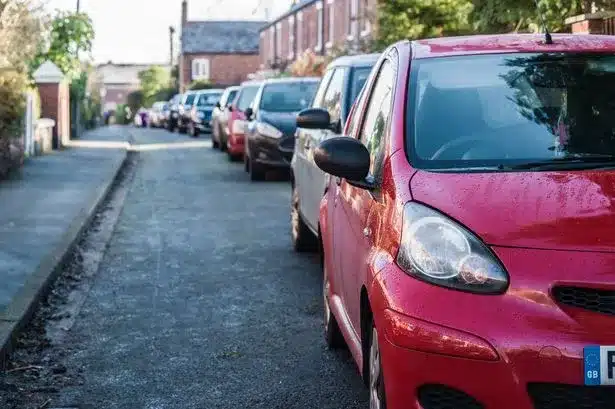
Arriving home to find a vehicle parked right outside your residence can spark frustration, whether it happens once or repeatedly. Many wonder if they can claim that spot or involve authorities. The rules depend on specific circumstances.
Basic Parking Rights on Public Roads
Drivers hold the legal right to park on public streets outside any home, provided no restrictions apply. This includes no automatic claim to the space directly in front of a property. Parking becomes illegal only if the vehicle blocks a driveway, crosses a dropped kerb, or violates marked restrictions like double yellow lines or residents’ permit zones.
Handling Blocked Driveways
When another car on the public highway obstructs access to your driveway, local councils possess the authority to intervene. However, vehicles parked on private property, such as another driveway, fall outside council jurisdiction.
For leased properties with designated spaces, contact the freeholder, council, or managing agent first. Always attempt a peaceful resolution by speaking to the driver or leaving a polite note on the windscreen.
Abandoned or Nuisance Vehicles
Abandoned vehicles show signs like significant damage, rust, missing plates, broken windows, flat tyres, or accumulated rubbish. These eyesores obstruct roads and pedestrians, prompting calls for removal.
Start by politely asking the owner to move it. Avoid direct intervention, such as threats or attempts to relocate the vehicle, to prevent escalating issues or legal trouble.
Trespassing on Private Property
Unauthorized parking on your driveway constitutes trespass, treated as a civil matter. Police typically do not intervene. Seek guidance from Citizens Advice or a solicitor if repetition occurs, but prioritize a courteous conversation with the driver to clarify misunderstandings.
When Councils Step In
Report to local councils for violations like:
- Parking over dropped kerbs
- Blocking pedestrian crossings or zig-zag areas
- Occupying Blue Badge, residents’, or motorbike spaces without permission
- Using taxi bays, cycle lanes, red lines, school entrances, or bus/tram stops
Police Involvement
Alert police for dangerous parking, such as on zig-zag lines or positions blocking emergency vehicle access. Repeated antisocial behavior warrants an online report. If a vehicle blocks your exit after entry, authorities may assist.
Spaces remain open to all on public roads, even if scarce. Patience and communication often resolve disputes effectively.
