

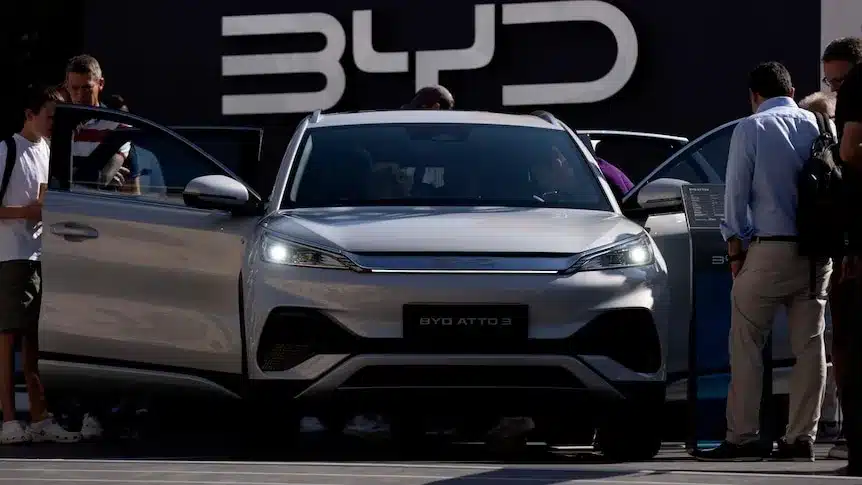
Electric vehicles priced above $75,000 lose their fringe benefits tax (FBT) exemption starting April 2027, while all EVs face the tax from April 2029 at a discounted 75% rate compared to petrol cars.
Key Timeline for Changes
Exemptions end for EVs exceeding $75,000 from April 2027. All electric vehicles incur FBT at 75% of the standard rate from April 2029. Luxury models over $91,387 already pay full FBT, as do used EVs purchased before July 2022.
These adjustments save the government $1.7 billion over four years. The policy shift targets budget sustainability amid rising costs in health, defense, and welfare.
Impact on Novated Leases
Novated leases, where employers provide cars through salary sacrifice, have driven nearly half of EV sales. More than one in five new car sales last month were electric or plug-in hybrids.
A $50,000 petrol car under novated lease incurs about $9,800 in annual FBT before deductions. The same EV pays nothing now but faces roughly $7,300 from 2029.
Existing leases remain grandfathered, allowing EV buyers in early 2029 to avoid FBT until the mid-2030s on five-year agreements.
Government Rationale and Cost Surge
The FBT exemption, initially budgeted at $90 million for this financial year, now costs $1.35 billion due to high uptake.
Treasurer Jim Chalmers emphasized budget restraint: “There is a big emphasis in this budget on budget sustainability, and that does mean more savings. There will be more savings, there will be more spending restraint, we will save more than we spend and we will bank the upward revisions to revenue as well.”
Officials aim to steer manufacturers toward affordable EVs under $75,000, maintaining incentives for accessible models amid renewed EV demand during the fuel crisis.
