
UK Nuclear Deterrent Questioned Amid Modern Warfare Threats
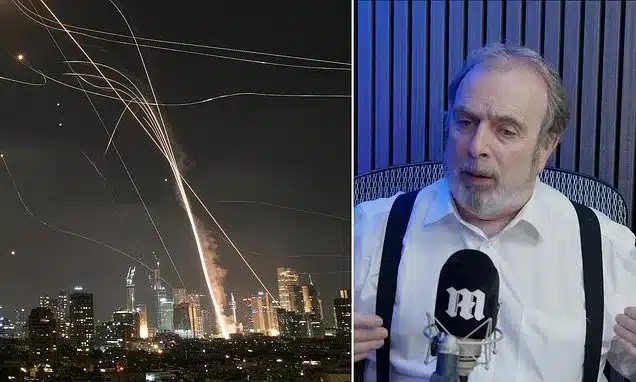
A prominent defense analyst is advocating for the United Kingdom to abandon its Trident nuclear submarine program and instead invest in a domestic version of Israel’s highly effective Iron Dome anti-missile system. The argument comes as global conflicts highlight the evolving nature of warfare, including the proliferation of drones and sophisticated missile technology.
Financial and Strategic Concerns Over Trident
Peter Hitchens, a long-time columnist, raised significant questions about the cost-effectiveness and strategic value of the UK’s nuclear deterrent during a recent podcast discussion. Trident is slated for renewal, with the current Vanguard-class submarines due for replacement in the early 2030s. The missiles themselves are expected to remain operational for an additional decade, intended for deployment on a new fleet of Dreadnought submarines currently under construction. The projected costs for this renewal range from an estimated £20 billion to £34 billion, though some analyses place the figure as high as £205 billion.
Hitchens contends that the expenditure on Trident renewal is exorbitant and ultimately futile. “An Iron Dome costs billions, but do you know how much Trident renewal costs?” he questioned. “I mean, if you pile up all the money in the country to a height the size of Everest, it wouldn’t pay for Trident renewal, which in any case won’t work, and in any case, it’s pointless. To me it’s a dead loss.” The UK retired its last air-dropped nuclear bombs in 1998, leaving Trident as the nation’s sole nuclear capability.
Iron Dome as a Modern Defense Solution
The analyst suggests that Britain would be better served by developing its own anti-missile defense system, inspired by Israel’s Iron Dome. This approach, supplemented by a limited number of freefall bombs, would provide a more relevant defense against contemporary threats. “If you’ve got a really good defence in the sky, then you have transformed the position at once,” Hitchens stated. “Look at the problem that Russia has at the moment.”
Recent conflicts, particularly in Ukraine and the Middle East, have underscored the potency of modern drone warfare. Hitchens believes that Western involvement in the Ukraine conflict, which he views as a proxy war against Russia, significantly elevates the risk of Russian missile strikes against European capitals.
Geopolitical Tensions and Potential Retaliation
According to Hitchens, Western nations are utilizing Ukraine as a platform for long-range missile strikes against Russian targets, a scenario he believes is unlikely to be executed by Ukrainian intelligence alone. “And so you basically have a Western war being conducted against Russia without anybody declaring war or with any state of war existing,” he observed.
He further warned of potential Russian retaliation: “Now, there is a point at which it’s possible the Russians will snap, and they will, they knowing perfectly well where all this is really coming from, they might start using their undoubted missile strength in against NATO capitals, including ours.” In such a scenario, Hitchens argues, an effective anti-missile defense system like an Iron Dome would provide a crucial layer of protection, offering a strong possibility of mitigating attacks.
Reflections on Media Appearances
In separate commentary, Hitchens also reflected on a past appearance on the topical panel show “Have I Got News For You.” He described the experience as challenging, noting that while the show is scripted, guests are expected to think and respond spontaneously. He recounted being particularly taken aback by fellow panelist Clarissa Dixon Wright, whose segment he felt dominated the program. Hitchens also humorously suggested that his own appearance on the show, had it been more prominent, might have altered the course of British political history, implying it played a role in elevating Boris Johnson to a major political figure and subsequently to Prime Minister.
