

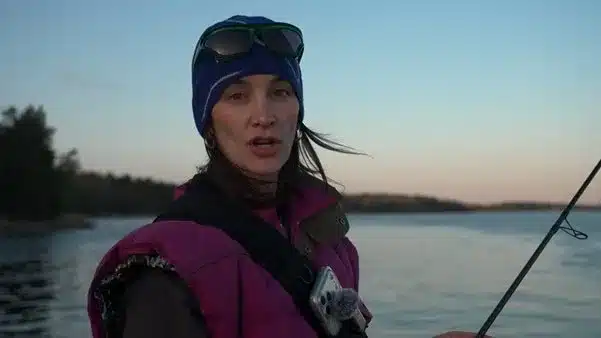
Embracing Allemansrätten: A Night in the Swedish Wilderness
For six Australian filmmakers on a global quest for a compelling story, a weekly short film challenge is the name of the game. This is one contestant’s firsthand account of navigating Sweden’s unique camping laws during her third week of the competition.
The mere mention of ‘school camp’ can evoke a spectrum of emotions. For some, it’s a cherished memory of camaraderie, campfire cooking, and nascent independence. For others, like myself, it conjures a more anxious response, rooted in past experiences. My Year 9 camp at Victoria’s Gippsland Lakes remains a vivid, if unsettling, memory. The discomfort of a poorly pitched tent, the chill of damp mornings, and the ordeal of ‘trust’ exercises designed to build resilience, but which instead led to silent pleas for deliverance, are etched in my mind.
Arriving in Sweden, I discovered a principle known as Allemansrätten – the ‘right to roam’. This distinctive Swedish law grants everyone the freedom to access both private and public land. In essence, it permits walking, hiking, skiing, or cycling across most terrains. The ability to pitch a tent for a night or two, provided one acts respectfully and maintains a distance from residential areas and cultivated land, felt like an opportunity to confront my ingrained reservations.
The law also allows for foraging, enabling the collection of wild berries and mushrooms, all under the guiding philosophy of ‘do not disturb, do not destroy’. Coming from Australia, a nation where land ownership is highly valued, the concept was immediately captivating. Visions of camping on iconic beaches or even pitching a tent near prominent landmarks, albeit playfully imagined, crossed my mind.
However, the primary objective was to immerse myself in the Swedish wilderness and test my own limits. With no camping gear after a recent trip to Jamaica, I began a resourceful hunt for essentials. Facebook marketplaces and local charity shops yielded warm clothing and basic cooking utensils. A modest investment of around $100 secured a crucial insulated floor mat and some beverages, preparing me for my solo expedition.
Following local advice, I chose Vaxholm, an area renowned for its numerous islands within Stockholm’s vast archipelago. The drive from the modern cityscape of Stockholm revealed a swift transition to ancient pine forests and invigoratingly crisp air. I found a free parking spot near a beach and ventured into the woods.
An Unexpected Encounter
The forest was immediately enchanting, a scene straight out of a storybook. The air was thick with a pure, ‘green’ scent that no perfumer could replicate. After a 45-minute trek, laden with my newfound gear and relishing the newfound independence, I reached a designated camping spot by the water. It featured a simple wooden shelter, a fire pit, and a stack of firewood – a testament to the well-maintained and welcoming nature of Allemansrätten.
Yet, the solitude was soon challenged by an unnerving noise in the dead of night, uncannily resembling a snore. The prospect of sharing the wilderness with an unseen, snoring entity for another two nights proved too daunting. I promptly abandoned my woodland retreat and returned to Stockholm.
While the average cost of accommodation in Sweden can be substantial, the opportunity to experience nature freely through Allemansrätten is invaluable. My brief encounter with the Swedish right to roam, though ending abruptly, offered a unique perspective on freedom and personal challenge.
