

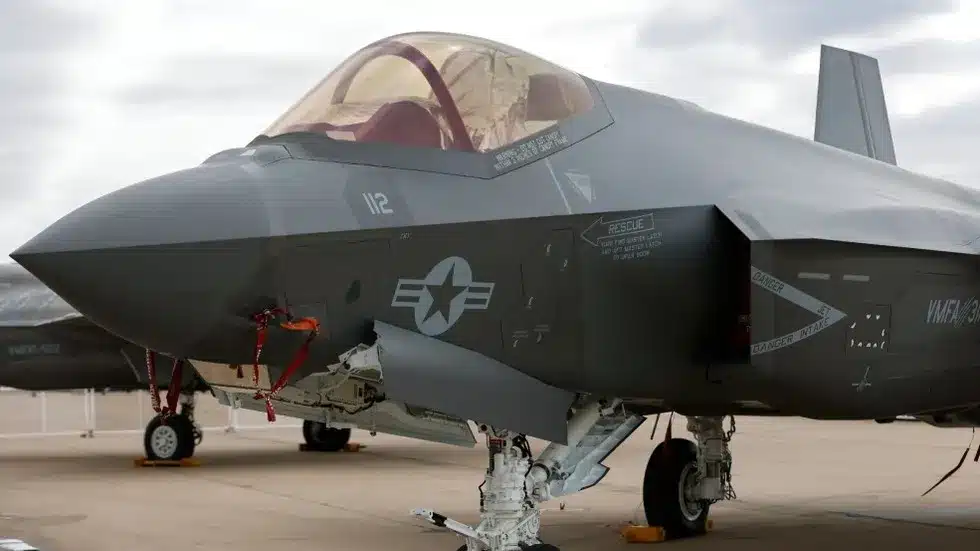
The United States carried out military strikes inside Iran on Saturday, marking the second consecutive day of renewed hostilities. These actions were a direct response to recent attacks on commercial vessels navigating the critical Strait of Hormuz. The escalating situation is placing significant strain on a preliminary peace agreement that had been established between the two nations on June 17.
US Central Command Details Strike Objectives
According to U.S. Central Command (CENTCOM), American military assets targeted a range of Iranian military assets. The objectives included Iranian military surveillance infrastructure, communication systems, air defense sites, facilities used for drone storage, and capabilities related to minelaying. These operations were initiated following a specific drone attack that occurred earlier on Saturday, which targeted the Panamanian-flagged oil tanker Kiku.
Presidential Rhetoric Intensifies Conflict Narrative
President Donald Trump publicly accused Iran of breaching the existing ceasefire. In a statement posted on the social media platform Truth Social, President Trump conveyed a stern warning. He indicated that while the U.S. has been acting with restraint, there might come a point where such reasonableness is no longer feasible. He stated, “There may come a point when we are no longer able to be reasonable and will be forced to militarily complete the job that we very successfully started. If that happens, the Islamic Republic of Iran will no longer exist!” This strong rhetoric underscores the volatile nature of the current geopolitical climate.
Background: The Strait of Hormuz and Maritime Security
The Strait of Hormuz is a vital chokepoint for global oil transportation, situated between the Persian Gulf and the Gulf of Oman. Its strategic importance means that any disruption to shipping in this area can have significant repercussions for international energy markets. Both Iran and the United States have a vested interest in maintaining freedom of navigation through the strait, yet their actions have frequently led to increased tensions and standoffs.
Recent months have seen a pattern of incidents involving commercial shipping in and around the Strait of Hormuz. These have included alleged attacks, seizures of vessels, and heightened military posturing by regional powers. The U.S. has consistently attributed such actions to Iran or Iran-backed groups, while Tehran has often denied direct involvement or blamed other actors.
The June 17 Peace Agreement: A Fragile Accord
The preliminary peace agreement reached on June 17 was seen by many as a crucial step towards de-escalating tensions that had been building for some time. Details of the agreement were not fully disclosed, but it was understood to involve mutual commitments to refrain from provocative actions and to engage in diplomatic channels to resolve disputes. The agreement aimed to provide a framework for stability in a region prone to conflict.
However, the effectiveness of such agreements often hinges on the adherence of all parties involved. The recent strikes and the accusations of ceasefire violations suggest that the foundations of this accord are being severely tested. Analysts are closely monitoring whether diplomatic efforts can regain traction or if the situation will continue to deteriorate.
Analysis of U.S. Military Objectives
CENTCOM’s stated objectives for the strikes—targeting surveillance infrastructure, communication systems, air defense, drone facilities, and minelaying capabilities—indicate a strategic effort to degrade Iran’s ability to project power and conduct asymmetric warfare in the maritime domain. By striking these specific targets, the U.S. appears to be aiming to:
- Disrupt Intelligence Gathering: Weakening surveillance infrastructure limits Iran’s ability to monitor shipping traffic and U.S. naval movements.
- Degrade Command and Control: Targeting communication systems hinders Iran’s ability to coordinate attacks and respond effectively.
- Reduce Offensive Capabilities: Striking drone storage and minelaying assets directly diminishes Iran’s capacity to launch future attacks on commercial and military vessels.
- Neutralize Defensive Measures: Hitting air defense sites aims to create a more permissive environment for U.S. and allied operations in the region.
These strikes represent a significant escalation, moving beyond defensive measures to offensive actions aimed at degrading Iranian military capabilities. The decision to conduct such operations, especially after a peace agreement, signals a potential shift in U.S. policy or a strong reaction to perceived Iranian provocations.
International Implications and Regional Stability
The renewed military engagement between the U.S. and Iran carries substantial implications for regional and global stability. The Strait of Hormuz is not only critical for energy markets but also a crucial transit route for international trade. Any prolonged conflict or significant disruption could lead to:
- Economic Shocks: Fluctuations in oil prices and potential supply chain disruptions.
- Humanitarian Concerns: Risks to civilian populations and increased refugee flows in the event of wider conflict.
- Geopolitical Realignment: Potential shifts in alliances and increased involvement of other regional and global powers.
International bodies and key global players are likely to call for restraint and a return to diplomatic dialogue to prevent further escalation. The effectiveness of these calls will depend on the willingness of both Washington and Tehran to de-escalate and address the underlying causes of the conflict.
Looking Ahead: Diplomacy vs. Military Action
The coming days and weeks will be critical in determining the trajectory of this situation. The U.S. has demonstrated its willingness to use military force in response to perceived threats, while President Trump’s rhetoric suggests a low tolerance for further provocations. Iran, on the other hand, faces the dilemma of responding to U.S. actions without triggering a full-scale war that could be devastating.
The success of the preliminary peace agreement now appears uncertain. Its survival will likely depend on whether both sides can step back from the brink, recommit to dialogue, and find a way to manage their differences without resorting to further military engagements. The international community will be watching closely, hoping for a de-escalation that preserves regional stability and ensures the free flow of commerce through this vital waterway.
Key Takeaways
- The U.S. conducted strikes in Iran for the second consecutive day on Saturday.
- These strikes were in response to a drone attack on the oil tanker Kiku in the Strait of Hormuz.
- U.S. Central Command targeted Iranian military surveillance, communication, air defense, drone, and minelaying capabilities.
- President Trump accused Iran of violating a ceasefire and threatened severe consequences if hostilities continue.
- The actions are testing a preliminary peace agreement signed between the U.S. and Iran on June 17.
Frequently Asked Questions
What triggered the latest U.S. strikes on Iran?
The strikes were a direct response to a drone attack on the Panamanian-flagged oil tanker Kiku, which occurred on Saturday in the Strait of Hormuz. U.S. Central Command stated these actions were necessary due to Iran’s alleged violation of a ceasefire.
What was the nature of the U.S. military targets in Iran?
According to CENTCOM, the targets included Iranian military surveillance infrastructure, communication systems, air defense sites, drone storage facilities, and minelayer capabilities. The aim was to degrade Iran’s ability to conduct further attacks.
How does this affect the peace agreement between the U.S. and Iran?
The renewed military actions and the strong rhetoric from President Trump are severely testing the preliminary peace agreement that was signed on June 17. The future of this accord is now uncertain, depending on whether both sides can de-escalate tensions.
The situation remains fluid, with potential for further escalation or de-escalation depending on the actions and reactions of both the United States and Iran in the immediate future.
