

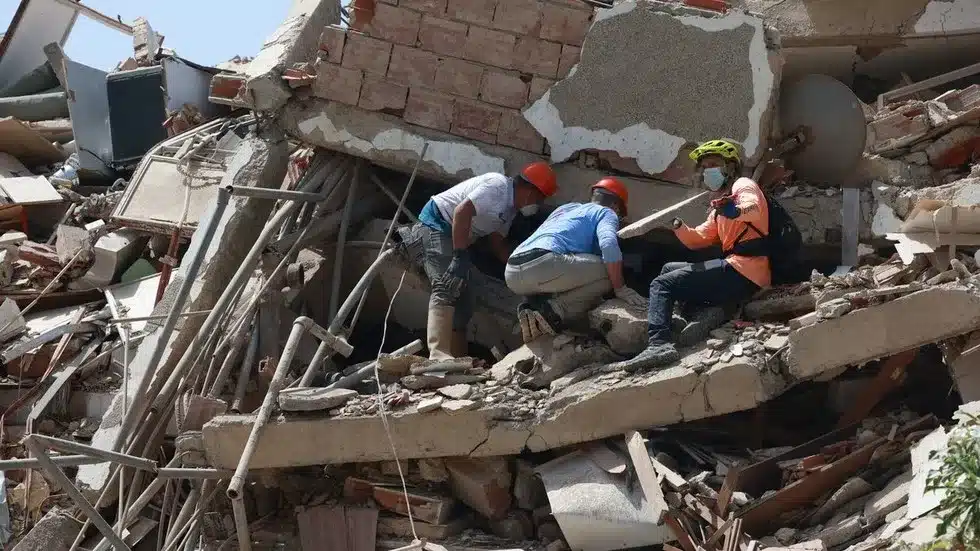
Venezuela is grappling with an escalating crisis following a series of devastating earthquakes, with the official death toll now reaching 1,430. The nation’s northern coast has been particularly hard-hit, experiencing not only the catastrophic twin tremors earlier in the week but also two additional seismic events in the subsequent days. These new earthquakes, measuring magnitudes 4.7 and 4.8, struck less than 24 hours apart on Saturday, adding to the immense challenges faced by rescue and recovery efforts.
Recent Seismic Activity Intensifies Crisis
The latest tremors occurred off Venezuela’s northern coast, a region already reeling from the impact of powerful earthquakes on Wednesday. The U.S. Geological Survey (USGS) reported the magnitudes of Saturday’s events. The first, a 4.7 magnitude quake, was registered 54 kilometers from El Limón in the northern state of Aragua. Shortly after, a second tremor of magnitude 4.8 struck approximately 35 kilometers from the same city. The full extent of damage and any potential casualties resulting from these most recent seismic activities have not yet been fully assessed, as the nation remains focused on the aftermath of the earlier, more destructive quakes.
Devastating Impact of Wednesday’s Earthquakes
Wednesday’s seismic events, a pair of powerful earthquakes measuring 7.2 and 7.5 in magnitude, have plunged Venezuela into its deadliest natural disaster in recent memory. The official figures released by Venezuelan authorities indicate a tragic loss of life, with the death toll tragically rising to 1,430. The human cost is immense, compounded by over 3,200 reported injuries. The capital city, Caracas, and the coastal city of La Guaira have borne the brunt of the destruction, with widespread damage to infrastructure and homes.
The scale of the disaster has also led to a significant number of missing persons. Authorities have reported over 50,000 individuals unaccounted for, intensifying the urgency of ongoing rescue operations. International support has been mobilized, with more than 1,600 foreign specialists joining the Venezuelan teams in the arduous search and rescue efforts. Their expertise is crucial in navigating the complex and dangerous conditions on the ground.
Historical Context of Earthquakes in Venezuela
Venezuela has experienced significant seismic activity in the past, though the current events surpass previous disasters in their severity. The deadliest earthquake in the country’s modern history prior to this week’s events occurred in 1967. That earthquake, which struck Caracas, resulted in approximately 300 fatalities and injured around 1,600 people. Another notable seismic event in the country’s northeast in 1997 claimed the lives of at least 81 individuals.
The frequency and intensity of seismic events in a region are often linked to its geological setting. Venezuela lies in a seismically active zone, situated near the boundary between the Caribbean Plate and the South American Plate. This complex tectonic interaction can lead to the buildup and release of stress, manifesting as earthquakes. Understanding the geological factors contributing to these events is crucial for long-term disaster preparedness and mitigation strategies.
Challenges in Rescue and Recovery
The ongoing rescue and recovery operations in Venezuela are fraught with challenges. The sheer scale of the destruction has hampered access to some of the most affected areas. Damaged infrastructure, including roads and communication networks, makes it difficult for emergency services to reach those in need and transport essential supplies. The vast number of missing persons adds a significant emotional and logistical burden to the relief efforts.
The involvement of international specialists is a critical component of the response. These experts bring specialized equipment and knowledge in areas such as urban search and rescue, medical aid, and structural assessment. Their collaboration with local authorities and volunteers is vital in maximizing the chances of finding survivors and providing immediate assistance to those affected. The government’s coordination of these efforts, alongside the mobilization of national resources, is key to navigating this unprecedented crisis.
Community Resilience and Support
In the face of such immense tragedy, the resilience of the Venezuelan people is being tested. Communities are coming together to support one another, sharing resources and offering comfort amidst the devastation. Local volunteers are playing an indispensable role in the rescue efforts, often working tirelessly alongside professional responders. The outpouring of solidarity, both within Venezuela and from the international community, provides a crucial lifeline during this difficult period.
Aid organizations and humanitarian groups are also on the ground, working to provide essential services such as shelter, food, water, and medical care to the displaced populations. The long-term recovery process will require sustained support to rebuild homes, infrastructure, and livelihoods. Addressing the psychological impact of the disaster on survivors will also be a critical aspect of the recovery efforts.
Looking Ahead: Preparedness and Mitigation
The recent earthquakes serve as a stark reminder of the ever-present threat of natural disasters. While the immediate focus remains on rescue and relief, there is an ongoing need to strengthen Venezuela’s preparedness and mitigation strategies for future seismic events. This includes reinforcing building codes, developing comprehensive emergency response plans, and educating the public on earthquake safety measures.
Investing in early warning systems and improving the resilience of critical infrastructure are also vital steps in reducing the impact of future earthquakes. By learning from this devastating experience and implementing robust disaster risk reduction measures, Venezuela can work towards building a more secure future for its citizens in a seismically active region.
Key Takeaways
- Venezuela has experienced a series of earthquakes, with the death toll from Wednesday’s major tremors rising to 1,430.
- Two additional earthquakes, measuring magnitudes 4.7 and 4.8, struck the northern coast on Saturday, adding to the crisis.
- The capital, Caracas, and La Guaira have suffered the most severe damage from the initial quakes.
- Over 3,200 people have been injured, and more than 50,000 are reported missing.
- International specialists are assisting in the extensive rescue and recovery operations.
- This series of earthquakes marks the deadliest seismic event in Venezuela’s recent history.
Frequently Asked Questions
What were the magnitudes of the recent earthquakes?
On Saturday, two earthquakes measuring magnitudes 4.7 and 4.8 struck off Venezuela’s northern coast. These followed the much larger earthquakes of magnitudes 7.2 and 7.5 that hit on Wednesday.
Which areas were most affected by the initial earthquakes?
Caracas and La Guaira experienced the heaviest damage from the devastating twin tremors on Wednesday. The subsequent smaller tremors also occurred along the northern coast.
How many people are missing or injured?
Venezuelan authorities have reported over 3,200 injuries and more than 50,000 people missing following the major earthquakes.
Conclusion
Venezuela faces a profound humanitarian challenge as it confronts the aftermath of a devastating series of earthquakes. The rising death toll and the extensive damage underscore the severity of the crisis. While rescue efforts continue with the support of international aid, the nation must also look towards long-term strategies for disaster preparedness and resilience to mitigate the impact of future seismic events. The solidarity and strength shown by the Venezuelan people and the global community will be crucial in the arduous journey toward recovery and rebuilding.
