

A significant shift in weather patterns has brought much-needed snow to Australia’s alpine regions, ending a period of unusually dry conditions. For the first time in 72 years, a key monitoring site in the Snowy Mountains recorded zero centimetres of snow depth in July, highlighting the extent of the recent cold snap’s impact. This rare event at Spencers Creek, a site managed by Snowy Hydro with records dating back to 1954, underscores the challenges faced by ski resorts during a typically snowy month.
Rare Zero Snowfall Recorded at Spencers Creek
The measurement of zero snow depth at Spencers Creek in July is a stark indicator of the unusual weather experienced in Australia’s alpine areas. This location, one of three monitored by Snowy Hydro for snow depth, has historically provided reliable data on winter conditions. The absence of snow at such a crucial time of year put immense pressure on ski resorts, which rely on natural snowfall to operate during peak seasons, particularly the upcoming NSW school holidays. In response to the dry spell, snowmaking machines at popular destinations like Perisher and Thredbo have been working continuously to supplement natural snow cover.
Wintry Conditions Return to Australian Alps
Fortunately for anxious visitors and resort operators, the dry spell appears to be over. On Thursday morning, the first significant snowfall arrived in Perisher, accompanied by blustery winds. Images and videos circulating online showed snow dusting roads and rooftops, eliciting relieved reactions from the public. “Finally,” commented one observer, while another noted, “Little late but a welcome sight.” Similar wintry conditions were reported overnight at Mt Hotham in the Victorian Alps.
Resort Operators Welcome Fresh Snowfall
The return of snow has been met with enthusiasm by those managing the ski resorts. Dani Wright, Senior Manager of Communications for Vail Resorts, which operates Perisher, Hotham, and Falls Creek, expressed the team’s delight. “It’s a wild and wintry day up at Perisher today, and we couldn’t be happier!” Wright stated. She confirmed that Perisher had received 5cm of snowfall overnight, with forecasts predicting an additional 20cm within the next 24 hours. The return of colder overnight temperatures is also a significant boost, enabling the resort’s snowmaking teams to operate more effectively. Wright added that these teams would be working “around the clock” to prepare more terrain for guests as soon as safety conditions allowed.
Polar Air Mass to Bring Colder Temperatures
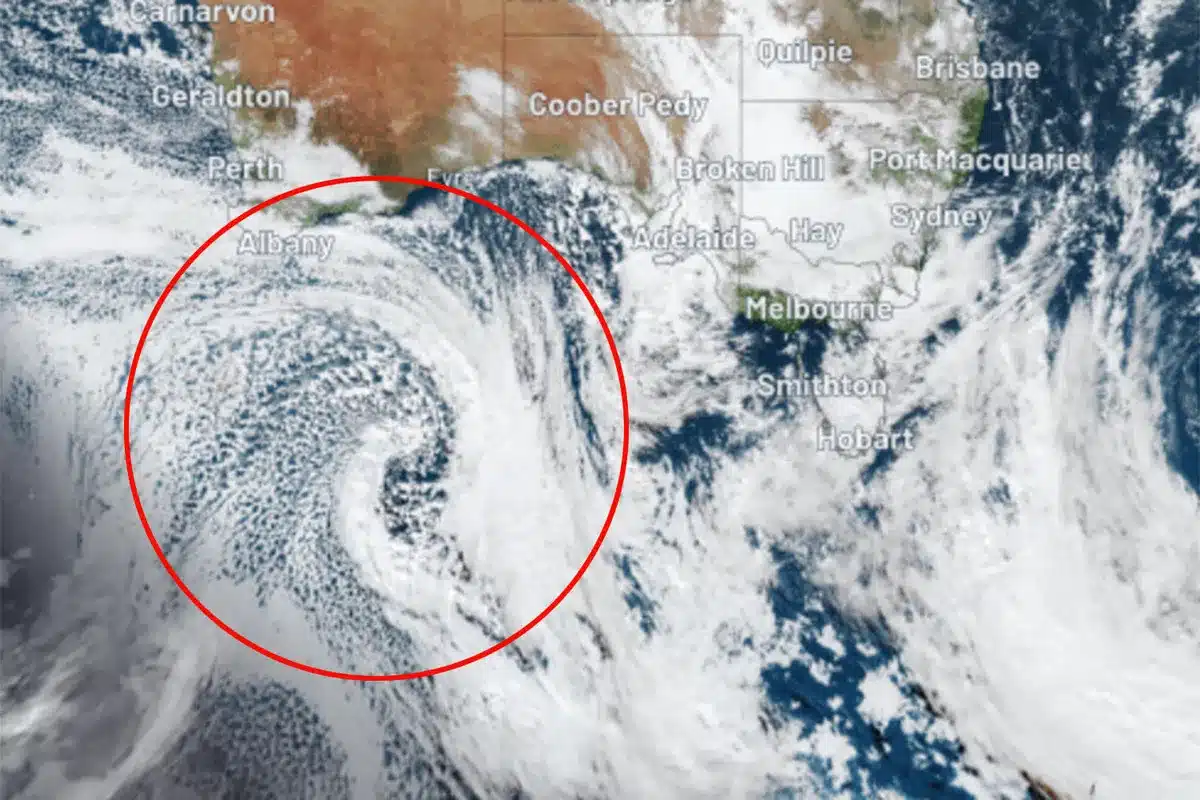
Looking ahead, a substantial change in weather is anticipated as a polar air mass moves towards southeastern Australia. According to Weatherzone Meteorologist Anthony Sharwood, this air mass, currently situated off the Great Australian Bight, is set to surge towards Tasmania and the mainland on Friday and Saturday. This influx of frigid air is expected to bring significantly lower temperatures across the affected regions.
Potential for Snowfall Across Alpine and Southern Areas
The impact of this polar air mass will be most pronounced in Tasmania, with temperatures in Liawena, often considered Australia’s coldest inhabited region, predicted to drop to a low of -3 degrees Celsius on Saturday. This area has previously experienced snow even on Christmas Day. The forecast indicates that the Australian Alps will likely see snowfalls from Friday into the weekend. While the alpine regions experienced a brief dusting of snow during the King’s Birthday long weekend in June, warmer temperatures and rain quickly diminished the snowpack, necessitating heavy reliance on artificial snow production.
From Friday onwards, approximately 20 centimetres of natural snow is forecast for the Australian Alps. Sharwood noted that the snow level is expected to descend to around 1,000 metres above sea level on the mainland. This should finally give the mountains a more wintry appearance, even if the overall snowpack remains lower than typical for early July. The coldest air crossing Tasmania on Saturday could potentially bring snow down to 400 metres above sea level. This raises the likelihood of snow reaching Kunanyi/Mt Wellington near Hobart and possibly even dusting some of Hobart’s surrounding suburbs.
Looking Ahead: Snowmaking and Resort Operations
With the arrival of natural snow and the return of colder temperatures conducive to snowmaking, ski resorts are optimistic about the upcoming weeks. The focus will now shift to maximising the use of both natural and artificial snow to open more runs and provide the best possible experience for visitors during the school holidays and beyond. Resort operators will continue to monitor conditions closely and update guests on lift status and terrain availability.
