

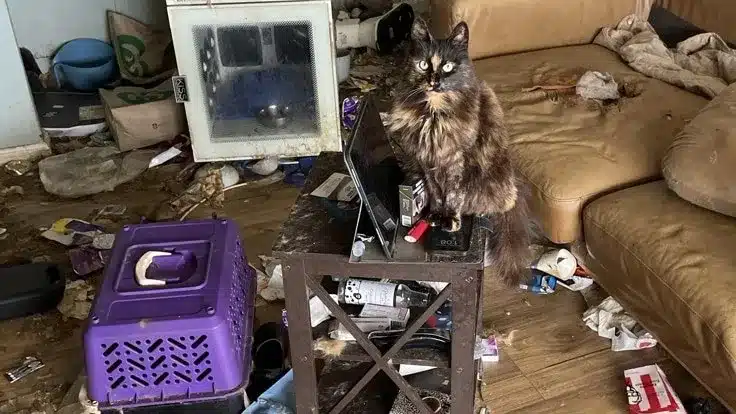
A Tasmanian woman has been ordered to pay nearly $30,000 to the RSPCA following a severe animal welfare case where dozens of cats were found in squalid conditions and deceased kittens were discovered in a freezer. Karen Maree Blake, 67, pleaded guilty to one count of animal management and 21 counts of animal cruelty in March.
Court Details Grim Discovery
During a hearing at the Hobart Magistrates Court, prosecutor Robert Fisher detailed the findings of RSPCA inspectors who visited Blake’s Midway Point home in December 2024. The visit was prompted by public complaints regarding overbreeding and the poor living conditions of her cats. Upon arrival, inspectors were confronted with an overwhelming stench of urine, feces, and ammonia, indicative of the dire state of the premises.
The investigation revealed a deeply disturbing scene: twelve kittens were found deceased within a freezer, and several others were discovered in various stages of decomposition throughout the house. In total, the RSPCA seized or received surrender of 69 cats and two dogs from the property.
History of Complaints and Breeder Status
Mr. Fisher informed the court that the RSPCA had received multiple complaints about Blake’s property between 2017 and 2024. These complaints, stemming from persistent smells and noises, led to several prior visits by animal welfare officers. At the time these issues began escalating, Blake was a registered cat breeder. However, her defense lawyer, Hope Cooper, stated that Blake had not sold any cats for a considerable period.
Personal Circumstances and Mental Health
Ms. Cooper presented evidence of Blake’s significant personal struggles to the court. She explained that her client had been dealing with multiple mental health challenges, including anxiety, depression, and agoraphobia. Furthermore, Blake suffers from a physical illness that causes chronic pain, fatigue, and sensory sensitivities. Ms. Cooper highlighted that the situation became particularly overwhelming for Blake in 2017 following the death of her father and the subsequent need to care for her mother.
Magistrate’s Sentencing and Orders
Magistrate Chris Webster described the case as a “very serious” instance of animal cruelty. He emphasized that the prolonged history of complaints and the sheer number of deceased animals should have served as clear warnings. “There was a long history where you were told you weren’t looking after them properly; you should have done something about it,” Magistrate Webster stated. “The number of cats that had died would have been a warning sign to anyone.”
As a result, Blake received a sentence of six months imprisonment, which was wholly suspended for four years. This means she will avoid serving jail time unless she reoffends. The magistrate also imposed a lifetime ban on Blake owning any cats and a five-year ban on owning any dogs, with the exception of her current pet dog.
Financial Penalties and RSPCA Response
In addition to the suspended sentence and bans, Blake was ordered to reimburse the RSPCA $27,000. This sum is intended to cover the significant veterinary care and boarding expenses incurred by the organization for the seized animals. Leading RSPCA Tasmania inspector Ally Hoyle expressed satisfaction with the court’s decision, calling it a positive outcome for the animals involved.
Understanding Animal Cruelty and Overbreeding
Cases like this underscore the critical importance of responsible animal ownership and breeding practices. Overbreeding, often driven by commercial interests or a lack of foresight, can quickly lead to situations where animals are kept in unsanitary conditions, lacking adequate food, water, and veterinary care. The accumulation of animals, known as hoarding, is frequently linked to underlying psychological issues in the owner, such as anxiety, depression, or an inability to recognize the severity of the situation.
Signs of Animal Neglect and Hoarding
The RSPCA and other animal welfare organizations often receive reports related to potential animal neglect and hoarding. Common indicators include:
- Persistent foul odors emanating from a property.
- Excessive animal noises, such as constant barking or meowing.
- Visible signs of animals in distress or poor health.
- An unusually large number of animals for the living space.
- Concerns about the cleanliness and sanitation of the living environment.
The Role of Veterinary Care
When animals are rescued from such environments, they often require extensive veterinary attention. This can include treatment for malnutrition, dehydration, parasitic infestations, infectious diseases, and injuries resulting from neglect or poor living conditions. The costs associated with rehabilitating these animals are substantial, which is why financial penalties and restitution orders are crucial components of animal cruelty sentencing.
Conclusion
The sentencing of Karen Maree Blake highlights the serious legal consequences of animal cruelty and neglect in Tasmania. The substantial fine and suspended jail term serve as a deterrent and a measure of accountability for the suffering inflicted upon the animals. It also emphasizes the ongoing need for public vigilance and reporting of suspected animal welfare concerns to organizations like the RSPCA, ensuring that animals receive the care and protection they deserve.
