

The Australian federal government is contemplating a ban on pornography that depicts choking, a move spurred by the tragic death of a 16-year-old girl in Sydney. The incident, suspected to be a case of strangulation during sexual activity, has prompted serious consideration of new laws to address the normalization and depiction of such acts.
Government Reviewing Choking Porn Legislation
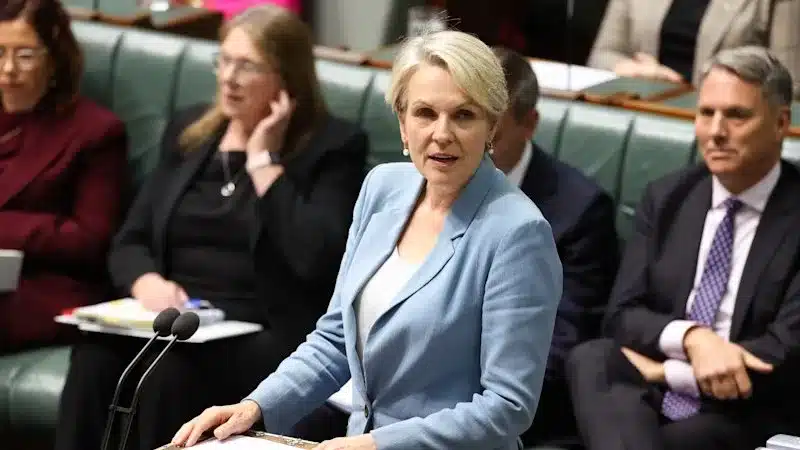
Minister for Social Services, Tanya Plibersek, announced that the government is actively examining the possibility of implementing legislation similar to that enacted in the United Kingdom last year. These UK laws criminalize both the possession and distribution of images that feature strangulation and suffocation. Plibersek expressed deep concern over statistics indicating a high prevalence of such acts among young people, stating, “There is something wrong with a situation where 60 per cent of young people say they’ve experienced strangulation during sexual encounters.” She emphasized the inherent danger, adding, “There is no safe way to strangle someone.”
The impetus for this legislative review follows the recent death of a teenage girl on Sydney’s northern beaches. Authorities are investigating the incident, which is believed to have occurred during consensual sexual activity.
Addressing Online Content and Algorithmic Influence
Beyond the potential ban on choking pornography, the government is also exploring measures to give users more control over their online experiences, particularly concerning social media algorithms. Plibersek highlighted the alarming speed at which young users are exposed to harmful content. “If you set up a social media account as a young boy in Australia today, it takes an average of 23 minutes for you to be fed misogynistic [or] violent content online,” she observed. She characterized this exposure as “pervasive and widespread and deadly, and it’s being spread to our young people and normalised… That is a deliberate decision of the social media companies.”
Consent campaigner Chanel Contos has been a vocal advocate for an opt-in system for social media algorithms. This approach would empower users to actively choose whether they wish for their feeds to be curated by algorithmic recommendations, thereby offering a degree of control over the content they encounter.
Broader Digital Duty of Care and Educational Initiatives
The government is also closely monitoring regulatory actions taken in other countries, including additional restrictions imposed by Meta (formerly Facebook) in the United States. Meta agreed to a significant settlement, reportedly worth $24 billion, to address accusations of contributing to the youth mental health crisis through addictive platform design. As part of this settlement, Meta committed to implementing enhanced child safety measures on Facebook and Instagram. These measures include daily time limits, the elimination of notifications during school hours, and the introduction of “age-appropriate” content controls, such as blocking certain filters.
These international developments may inform Australia’s proposed Digital Duty of Care framework. This initiative aims to legally obligate technology companies and online service providers to proactively safeguard users from foreseeable online harms. The framework is part of a broader effort to create a safer digital environment for all Australians.
In parallel, the National Cabinet has committed to funding a review of current consent and respectful relationships education programs in schools. The government is collaborating with Teach Us Consent, an organization founded by Chanel Contos, to reinforce the message that pornography does not accurately reflect real-life interactions. Education Minister Jason Clare indicated that this review is particularly timely, following recent charges against groups of private school boys in separate alleged gang rape incidents. “We need to make sure the message is getting through,” Clare stated, underscoring the importance of effective education on consent and healthy relationships.
Prevalence of Strangulation During Sexual Encounters
The issue of strangulation during sexual activity is underscored by concerning statistics. Reports indicate that more than half of Australians aged between 18 and 35 have experienced strangulation during sex at least once. This widespread occurrence highlights the urgent need for public awareness, education, and potentially legislative action to mitigate risks associated with such practices.
Support services are available for those affected by sexual assault, domestic violence, or family violence. The National Sexual Assault, Domestic Family Violence Counselling Service can be reached at 1800RESPECT (1800 737 732).
