

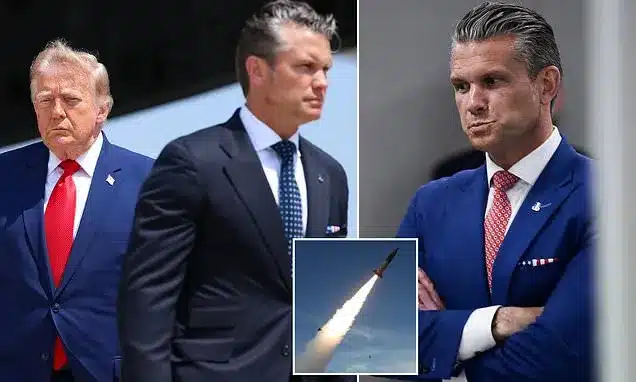
Top U.S. military commanders have formally expressed dissent over the ongoing war operations against Iran, warning that the extended conflict is straining resources and potentially jeopardizing the nation’s ability to defend its own territory. The commanders, overseeing forces in Europe, Asia, and Latin America, along with the Navy’s top admiral, issued a rare “non-concurrence” to a directive that would have kept over 50,000 troops on alert in the Middle East. This classified disagreement highlights significant internal concerns within the Pentagon regarding the sustainability and strategic implications of the prolonged engagement.
Internal Military Dissent on Iran Operations
The formal “non-concurrence” signifies that these senior military leaders opposed the directive but are still bound to execute it. According to reports, military leadership views the six-month Iran war as an excessive commitment, stating it is “too much for too long.” This internal friction emerges as the U.S. continues military actions against Iran, including recent strikes on IRGC outposts near the Strait of Hormuz. These operations have necessitated the redeployment of ships, aircraft, and equipment from global assignments, consequently limiting other critical missions and disrupting military training across multiple continents.
Strain on Naval Operations and Personnel
The Navy, in particular, has faced immense pressure. The USS Abraham Lincoln, for instance, has been deployed for over nine months, spending a record 250 consecutive days at sea. This extended deployment has reportedly led to severe hardships for sailors, including shortages of food and hygiene supplies, malfunctioning facilities, and a deteriorating mental health environment, with some personnel allegedly attempting to harm themselves. Army and Air Force leaders, while supporting the extended deployments, have also voiced concerns about the significant risks and the strain on the Pentagon’s capacity to meet escalating wartime demands.
Escalating Tensions and Geopolitical Impact
The classified military dissent coincides with renewed military exchanges between the U.S. and Iran. On a recent Sunday, U.S. forces targeted two Iranian rocket launchers on Larak Island, citing intelligence that Revolutionary Guard troops were preparing to launch sea mines into the Strait of Hormuz. In response, Iran reportedly launched ballistic missiles toward two U.S. military bases in Jordan, though these were allegedly intercepted without causing damage. These escalating actions have contributed to a recent spike in oil prices, with Brent crude climbing significantly following the U.S. strike on Larak Island.
Economic Repercussions and Strategic Leverage
The ongoing conflict and heightened tensions have had a tangible impact on global energy markets. Brent futures saw a notable increase, reflecting concerns about potential disruptions to oil supply routes. While U.S. and Israeli campaigns have reportedly inflicted substantial damage on Iran’s military capabilities, Iran has maintained leverage through its ability to target vessels transiting the critical Strait of Hormuz. This vital waterway, through which approximately 20 percent of the world’s oil normally flows, remains a key point of contention, with Iran capable of disrupting traffic despite U.S. assertions of open passage.
The Strait of Hormuz: A Critical Chokepoint
The Strait of Hormuz is a strategically vital chokepoint for global energy supplies. Iran’s capacity to threaten shipping in this narrow waterway grants it significant influence, despite the U.S. military’s efforts to ensure freedom of navigation. Recent reports indicate that while a substantial number of vessels continue to transit the strait, the risk of disruption remains a persistent concern for international markets. The ongoing military operations and the potential for further escalation underscore the complex geopolitical dynamics at play in the region and their far-reaching economic consequences.
Conclusion: Balancing Security and Strategic Overextension
The internal “non-concurrence” from senior military leaders signals a critical juncture in U.S. foreign policy and military strategy. The warnings about homeland security risks stemming from overextended deployments in the Middle East highlight the challenges of managing multiple global threats simultaneously. As tensions with Iran persist, the Pentagon faces the complex task of balancing immediate operational demands with long-term strategic objectives and the imperative to safeguard national security interests both abroad and at home. The situation underscores the need for careful consideration of the costs and benefits of prolonged military engagements and their impact on military readiness and personnel well-being.
