

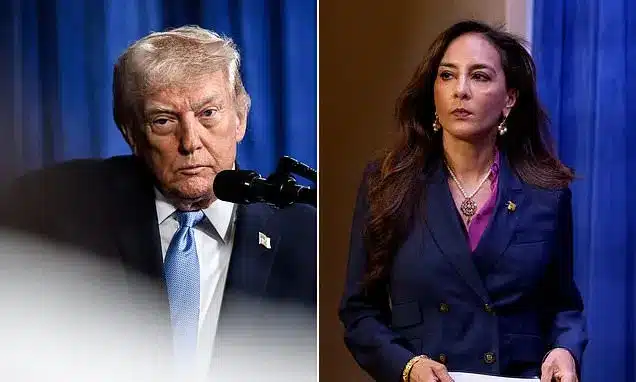
A significant internal conflict within the Justice Department’s Civil Rights Division, involving its leader Harmeet Dhillon and senior counsel Leo Terrell, has been brought to light, revealing a strained working relationship and accusations of professional misconduct. The dispute reportedly centers on career advancement, differing approaches to departmental priorities, and alleged personal animosity, according to reports detailing the feud.
Harmeet Dhillon’s Stance on Leadership Changes
Harmeet Dhillon, who heads the Justice Department’s Civil Rights Division, has reportedly indicated her intention to resign if President Trump does not appoint her, or an individual she deems qualified, to the position of Deputy Attorney General. This demand comes after a period of 16 months marked by reported friction between Dhillon and senior figures within the department. Her career aspirations appear to be a central theme in the ongoing tensions, with her efforts to climb the ranks reportedly putting her at odds with other Trump loyalists, including Leo Terrell.
The Dispute Between Dhillon and Terrell
The conflict between Dhillon and Leo Terrell, a former Fox News adviser who now serves as senior counsel in the Civil Rights Division and advises on antisemitism issues, has been described as particularly acrimonious. Reports suggest Dhillon views Terrell as unqualified for his role, leading to what has been termed a ‘bitter’ conflict. This perception has allegedly prompted Terrell to file numerous complaints about Dhillon’s conduct to Justice Department leadership, including former Attorney General Pam Bondi. The two have reportedly not communicated directly since the summer of the previous year, stemming from long-standing issues in their professional interactions and a disagreement over government negotiations with Columbia University.
Allegations of Retaliation and Misconduct
Further details emerging from the internal dispute suggest potential attempts to undermine Terrell’s position. Dhillon’s staff reportedly warned Terrell’s most trusted aide that she might be transferred from his team. When Terrell became aware of this, he reportedly lodged a complaint with President Trump, which resulted in the aide remaining in her position. However, the situation reportedly escalated when the aide was subsequently questioned about whether Terrell had ever asked her to accompany him into a bathroom to take notes. The aide denied this ever occurred.
Terrell has accused Dhillon of retaliating against him, suggesting her actions were motivated by jealousy over his visibility on cable news networks, such as Fox News, where he previously appeared. Dhillon’s staff had reportedly cautioned Terrell in mid-2025 that he could face termination for appearing on Fox News without authorization. Terrell countered that Dhillon was attempting to punish him due to her own limited media appearances.
Dhillon’s Role and Departmental Actions
The reports also touch upon Dhillon’s broader activities within her role. It is alleged that she has leveraged her position to secure substantial settlements from universities. These settlements reportedly stem from accusations that the institutions were not adequately addressing antisemitism or were not sufficiently dismantling diversity, equity, and inclusion (DEI) initiatives within their structures. These actions highlight a proactive, and at times aggressive, approach to enforcing departmental priorities under her leadership.
Dhillon’s tenure, which began approximately 16 months prior to these reports, has been characterized by significant shifts and reported friction with established figures and departmental norms. Her interactions within the Justice Department have reportedly led to strained relationships with several individuals since she assumed her post.
Broader Implications and Departmental Response
The exposure of this internal feud raises questions about the operational dynamics and leadership within the Justice Department’s Civil Rights Division. The reported conflicts and allegations of retaliatory behavior underscore the challenges of managing high-profile personalities and competing career ambitions within a federal agency. The Justice Department has not immediately provided a statement regarding the specifics of the reported fallout between Dhillon and Terrell, or in response to the broader allegations detailed in the reports.
The situation involving Harmeet Dhillon and Leo Terrell illustrates the complex interpersonal and professional challenges that can arise within government institutions. The focus on career advancement, perceived qualifications, and alleged personal conflicts has created a turbulent environment within a division tasked with critical civil rights enforcement. The outcome of these internal disputes and any potential disciplinary or personnel actions remain subjects of ongoing scrutiny.
