

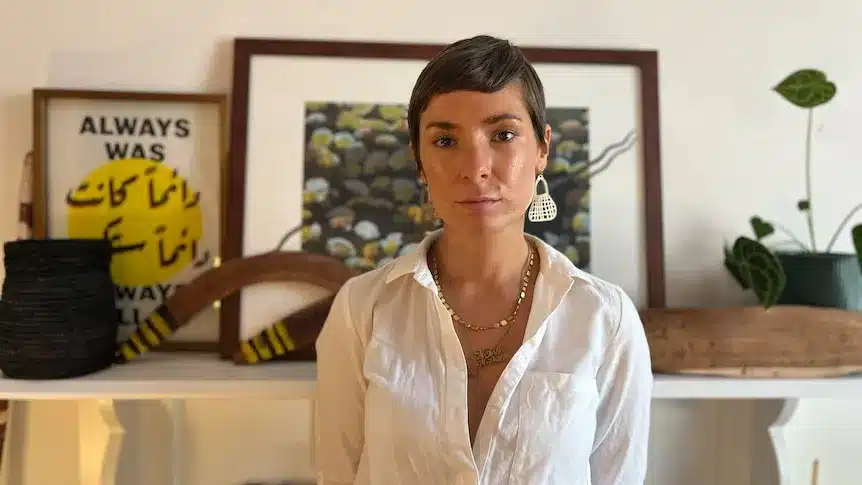
The Blak & Bright Writers Festival, Australia’s premier gathering of First Nations writers and storytellers, is set to return to Naarm (Melbourne) from September 3-6. This significant event offers a crucial and rare public space for open conversation, cultural exchange, and the celebration of Indigenous narratives. It provides an essential platform for First Nations people to connect, share their experiences, and engage with a wider audience in an environment fostering understanding and respect.
The Shifting Landscape of Online Discourse
Evelyn Araluen, a Goorie and Koori poet acclaimed for her Stella Prize-winning collection ‘Dropbear’, reflects on the evolution of online spaces. She recalls an earlier era of social media, particularly Twitter, as a vital digital commons for First Nations communities. “X, for example, Twitter, that used to be a really wonderful space for mob to come together and have yarns and share their identities, their cultures, their history, their thoughts, their reflections,” Araluen explained. “And we had amazing conversations across so many different cultural divides.” During this period, she experienced a strong sense of community and connection, meeting numerous Indigenous individuals through these platforms.
However, Araluen notes a significant deterioration in the safety and inclusivity of these online environments, particularly after Elon Musk’s acquisition of Twitter and its subsequent rebranding to X. She asserts that the platform has become increasingly hostile for marginalized groups. “Anytime anything related to Indigeneity, First Nations context, Aboriginal context is mentioned, the flood of comments are so violent and heinous and disgusting that it really just isn’t safe for mob to be in those spaces whatsoever anymore,” she stated.
While acknowledging that discriminatory comments have always existed, Araluen points to a decline in effective moderation systems that previously helped mitigate such content. She links this online escalation to a broader societal shift observed since the 2023 Australian Indigenous Voice to Parliament referendum. This sentiment is echoed by research indicating increased open expression of racism in various public spheres, including educational institutions and workplaces. “Now the gloves are off and racists feel like they have permission to say things that they might have otherwise been cautious about saying in public, because now they know that they’ve got enough people to back them up in order to make those comments without really strong fear of reproach,” Araluen observed.
Blak & Bright: A Sanctuary for Storytelling
It is against this backdrop of increasing online hostility and societal division that the Blak & Bright Writers Festival emerges as particularly vital. The festival is designed as a safe haven, a place where the richness, complexity, and power of First Nations storytelling can be explored and appreciated without fear of reprisal or prejudice. It champions the importance of Indigenous voices and narratives in the broader cultural landscape.
Esteemed Voices and Broad Invitation
The festival boasts an impressive lineup of featured speakers, including Evelyn Araluen herself, alongside other prominent figures such as Melissa Lucashenko, Chelsea Watego, Tony Armstrong, Bruce Pascoe, Tasma Walton, Brooke Blurton, Anita Heiss, and Claire G Coleman, among many others. This gathering represents a significant opportunity for the public to engage directly with these influential storytellers.
Arguing for the importance of broad engagement, Araluen encourages individuals from all backgrounds to attend. “While the speakers are First Nations, this is not a festival that closes doors for the broader public to come and attend and to join in on these yarns,” she emphasized. This inclusive approach underscores the festival’s mission to foster wider understanding and connection.
Artistic Vision and Industry Challenges
Bebe Oliver, the artistic director and CEO of Blak & Bright and an award-winning Bardi Jawi author, poet, and illustrator, champions the festival’s core philosophy: “Our underlying belief is that Blak stories are for everyone.” Oliver clarifies that attendance is open to all, regardless of cultural background. “We simply ask that you come with an open mind and with an open heart and a commitment to learning and to changing as well,” he stated.
Oliver also stresses the broader need for the public to actively seek out and engage with First Nations storytelling beyond the festival itself. “People need to not just attend the festival but need to be reading and listening to more Blak stories than we already do,” he urged.
Reflecting on the festival’s journey since its inception in 2016, Oliver acknowledges the significant challenges facing the literary industry today. He expresses deep concern over funding cuts, censorship, and commercial pressures influencing publishing. “Funding cuts, left, right, and centre, constant ongoing censorship regarding what can be spoken and written about. Pressures, from publishing houses, from agents and publicists to say these are the hot topics that really sell right now, perhaps you could write more about this, we push against all of that,” Oliver explained.
Despite these hurdles, Oliver highlights the resilience and enduring importance of First Nations storytelling. “And we focus solely on the need to see the broader Australian community understand and acknowledge that First Nations storytelling is the absolute heart of our entire industry,” he said. The continued growth and success of the Blak & Bright festival, even amidst these difficulties, serves as a powerful testament to the strength and cultural significance of Blak stories.
Conclusion: Embracing Indigenous Narratives
The Blak & Bright Writers Festival stands as more than just a literary event; it is a vital cultural institution fostering dialogue, understanding, and connection. By providing a safe and inclusive space for First Nations voices to be heard and celebrated, the festival plays a critical role in enriching the national conversation and promoting a deeper appreciation for Indigenous Australian storytelling. Its commitment to accessibility ensures that individuals from all walks of life can engage with these important narratives, contributing to a more informed and empathetic society.
