

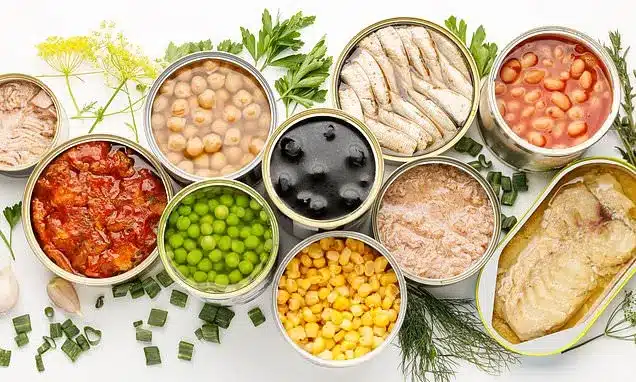
As an extreme weather event like a ‘Super El Niño’ intensifies, concerns about potential disruptions to food supplies have prompted advice on building essential kitchen stockpiles. Nutrition experts Richard Kirwan and Graeme Close from Liverpool John Moores University have outlined key food items to ensure adequate nutrition and sustenance during a period where emergency services might be stretched. Their guidance moves beyond general recommendations to offer specific food suggestions for a survival period of several weeks.
Prioritizing Protein for Sustained Energy and Fullness
Protein is identified as a crucial component of any emergency food store, not only for maintaining muscle mass and supporting metabolism but also for its satiating properties. Kirwan and Close recommend stocking up on tinned meats, such as chicken, stewed steak, or meatballs, alongside canned fish. They specifically note that sardines in tomato sauce offer added nutritional benefits, with tomatoes being a rich source of lycopene, an antioxidant linked to reduced inflammation.
For individuals who do not consume meat, tinned beans are presented as an excellent alternative. Long-life milk and skimmed milk powder are also advised as valuable additions, providing essential calcium and protein when incorporated into meals.
Carbohydrates: The Foundation of an Emergency Diet
Carbohydrates are highlighted as the primary source of energy and should be a top priority when assembling a food stockpile. If access to power and water remains stable, the experts suggest opting for dried, whole-grain options. These include brown rice, wholegrain pasta, porridge oats, and wholemeal couscous. Microwave pouches of rice and grains are also practical choices.
The emphasis on wholegrain varieties stems from their higher content of fiber, vitamins, and minerals. Fiber plays a vital role in digestive regularity, promotes a feeling of fullness, helps stabilize blood sugar levels, and supports a healthy gut microbiome. Alongside these core carbohydrates, a diverse selection of canned and jarred vegetables, such as carrots, green beans, potatoes, tomatoes, sweetcorn, beans, peas, and lentils, is recommended. Whole nuts and seeds are also suggested as shelf-stable, nutrient-dense snacks.
Incorporating Comfort Foods and Micronutrients
While the focus remains on essential nutrition, the experts acknowledge the psychological impact of relying on a limited food supply. Including a small quantity of comfort foods can help alleviate the monotony. Suggestions include canned rice pudding, custard, canned fruit in juice, jam, honey, and biscuits. Canned fruit, in particular, offers additional fiber and minerals.
Beyond food items, a multivitamin and mineral supplement is advised. The researchers explain that a diet consisting primarily of canned, ready-to-eat, or dried foods may lack certain essential nutrients, especially Vitamin C, which is susceptible to degradation during processing. Vitamin C is critical for immune function and maintaining healthy connective tissues. A supplement can also enhance iron absorption, which is particularly beneficial when dietary quality is compromised.
Ensuring Adequate Hydration: The Importance of Water
Finally, the importance of a sufficient water supply cannot be overstated. The experts recommend stockpiling unopened bottles of water, suggesting an intake of approximately three to four liters per person per day. This quantity should also account for additional needs related to cooking and sanitation, underscoring water’s fundamental role in survival and hygiene.
Preparing for Extreme Weather Events
The advice from Kirwan and Close stems from the increasing frequency and intensity of extreme weather events, such as the current El Niño phenomenon, which scientists warn is firmly established and potentially intensifying. Such events can lead to widespread disruptions, including power outages, transportation issues, and challenges in accessing essential services, making preparedness a prudent measure for individuals and families.
By focusing on non-perishable, nutrient-dense foods that require minimal preparation, individuals can build a resilient food store. This proactive approach ensures that basic nutritional needs are met, even when external circumstances become challenging. The combination of macronutrients like protein and carbohydrates, alongside essential micronutrients and adequate hydration, forms the cornerstone of effective emergency preparedness.
