

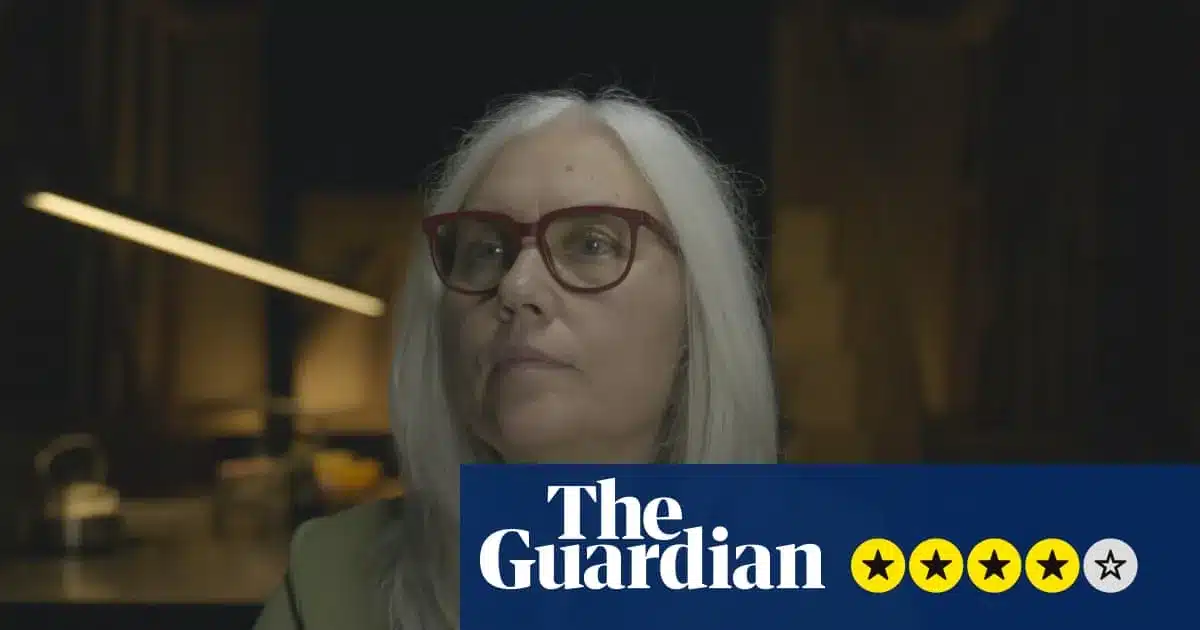
The filmmaking duo Christine Molloy and Joe Lawlor, known for their intricate psychological dramas and self-examining essay films, have released a new work titled Act 3. This deeply personal and stylistically distinct film delves into themes of history, identity, and the passage of time, reflecting on their own creative journey and artistic legacy over four decades together.
Exploring Metatextuality and Artistic Identity
Molloy and Lawlor have consistently explored the interplay between fiction and documentary, often using one form to comment on the other. Their previous projects, such as the drama Baltimore, emerged from documentary explorations like The Future Tense, which examined the development of a film about the controversial figure Rose Dugdale. Act 3 continues this metatextual approach, presenting a unique structure where the artists engage in a self-aware dialogue about their lives and creative partnership.
The film is shot in a distinctive style, featuring single-person shots in a shot-reverse-shot format, creating an intimate yet somewhat disquieting atmosphere. Molloy and Lawlor speak slowly and deliberately, as if in a trance, discussing their planned film about the pioneering 20th-century French artist couple Lucy Schwob and Suzanne Malherbe. These artists, who adopted the masculine-sounding pseudonyms Claude Cahun and Marcel Moore, were lovers and later stepsisters. Their lives, marked by artistic innovation and defiance, serve as a central point of contemplation within Act 3.
The Lives of Claude Cahun and Marcel Moore
Schwob and Malherbe, operating under their chosen identities as Cahun and Moore, were prominent figures in the Surrealist circles of 1930s Paris. They lived together in Nantes, in an attic space that the film reveals is now part of a modern cinema complex. Their artistic output, particularly Cahun’s self-portraits exploring gender and identity, is gaining renewed recognition. The couple’s story also includes a period of anti-Nazi activism in occupied Jersey during World War II. They were arrested in 1944 but narrowly escaped execution due to the Allied liberation of the island.
The “Third Act” and Personal Reflection
Molloy and Lawlor use the narrative arc of Cahun and Moore’s lives, particularly the perceived anticlimax of their post-war existence, as a springboard for their own reflections. The filmmakers, now in their 60s, consider their own lives as entering a “third act.” The film weaves together memories of their youth, their wedding in their early twenties, and family connections, including Joe Lawlor’s brother, John, who lives in Thailand.
The couple’s experiences in Southeast Asia, particularly a disturbing encounter with a corpse drifting down a river, have been a recurring motif in their work. This traumatic event was processed into their film Mister John, starring Aidan Gillen, which explored themes of identity and mortality. Molloy and Lawlor revisit this experience in Act 3, recognizing its profound meaning and relevance, which perhaps was not fully understood at the time of its initial creation. The film touches upon the cyclical nature of death and the anxieties surrounding one’s own mortality, with Lawlor contemplating his father’s death and the possibility of a similar fate.
Artistic Connections and Enduring Mystery
Act 3 ultimately delivers a powerful payoff by exploring the connections, or lack thereof, between Molloy and Lawlor’s artistic project and the lives of Claude Cahun and Marcel Moore. The film posits that the journey of exploration and the act of bridging or failing to bridge the gap between their subjects and themselves is where the true artistic energy lies.
While the film is deeply personal, the on-screen presence of Molloy and Lawlor remains somewhat enigmatic, contributing to its austere yet absorbing quality. The work is imbued with a palpable richness and maturity, inviting viewers to contemplate the complexities of art, life, and the enduring power of creative inquiry across generations.
Key Themes Explored in Act 3
- Metatextuality and the examination of artistic process.
- Queer history and the lives of Claude Cahun and Marcel Moore.
- The concept of the “third act” in life and creative careers.
- Reflections on mortality, memory, and personal trauma.
- The relationship between documentary and fictional filmmaking.
Act 3 stands as a testament to Molloy and Lawlor’s unique cinematic vision, offering a profound and thought-provoking experience that resonates with the universal themes of aging, legacy, and the continuous search for meaning in art and life.
