

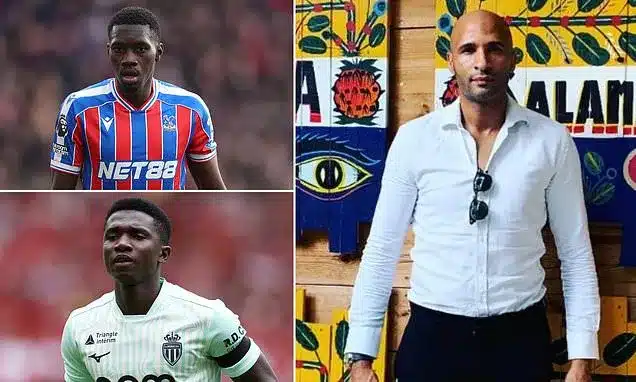
The agent representing football stars Ismaila Sarr and Lamine Camara has issued a strong condemnation of football clubs, alleging a systemic disrespect towards African players and their career aspirations. Diomansy Kamara, a former professional footballer himself, expressed his frustration after both his clients were unable to secure deadline-day transfers, sparking a debate about player agency and the treatment of talent from the continent.
Accusations of Dehumanization in Transfer Market
Diomansy Kamara voiced his grievances on social media, highlighting the perceived transactional nature of how African players are handled in the global transfer market. He stated, “We have to get out of this logic where the African player can sometimes give the feeling that he is just a commodity: you buy it, you set its price, you negotiate its future and, too often, your will seems to go to the background.” This sentiment underscores a belief that financial considerations and club interests frequently overshadow the individual ambitions and well-being of these athletes.
“Our African players deserve respect. The respect of their work. The respect of their career. Respecting their ambitions. The respect of their voices,” Kamara emphasized. He argued that a transfer should be more than just a financial transaction between two organizations. “A transfer shouldn’t just be a matter of two clubs and numbers. Behind every contract, there’s a man, a career, dreams and life choices.”
Specific Cases: Sarr and Camara’s Unfulfilled Moves
The agent’s outburst was directly linked to the failed moves of his clients. Senegal international Ismaila Sarr, currently with Crystal Palace, had been rumored to be attracting interest from clubs like Liverpool and Galatasaray. Despite hopes for a move that would potentially advance his career, the transfer window closed with Sarr remaining at Selhurst Park.
A more dramatic situation unfolded with Lamine Camara, a promising talent at Monaco. A reported £47 million transfer to Chelsea collapsed at the eleventh hour. Reports indicate that Chelsea and Monaco had reached a comprehensive, written agreement for the transfer. However, in a surprising turn of events, Monaco reportedly withdrew from the deal as the transfer deadline loomed. Sources close to Chelsea described the situation as highly unprofessional, particularly after Monaco allegedly cited issues related to their own transfer of Folarin Balogun to Everton as a reason for rescinding the Camara agreement.
The Player’s Perspective in Football Transfers
Diomansy Kamara stressed the importance of player autonomy in career decisions. “The player must be able to be heard and respected in the decisions that determine his future,” he asserted. He questioned the prevailing dynamic where clubs often seem to hold the ultimate authority, asking, “The fact that clubs can sometimes have the final word is a reality of professional football. But one question remains: what about the career and the will of the player?”
This perspective highlights a growing conversation within the sport about player welfare and the ethical considerations surrounding high-stakes transfers. The agent’s plea is for a more player-centric approach, acknowledging that athletes are individuals with personal goals and not merely assets to be traded.
Broader Implications for African Footballers
The comments from Diomansy Kamara resonate with broader discussions about the experiences of African athletes in European football leagues. While many achieve immense success, their journeys are often marked by unique challenges, including navigating complex transfer negotiations and combating potential biases.
The situation with Camara, in particular, left Chelsea in a difficult position, reportedly needing midfield reinforcements following the significant departure of Enzo Fernandez. The abrupt collapse of the deal underscored the volatility and sometimes opaque nature of transfer negotiations, especially when multiple clubs and player interests are involved.
Conclusion: A Call for Greater Respect and Transparency
The outspoken stance by Diomansy Kamara serves as a significant intervention in the ongoing dialogue about player rights and the integrity of the transfer system. By bringing the experiences of Ismaila Sarr and Lamine Camara into the spotlight, he aims to provoke a necessary re-evaluation of how clubs engage with and respect their African talent. The core message is a demand for recognition of players as individuals with agency, whose careers and aspirations warrant genuine consideration beyond mere financial valuations.
