

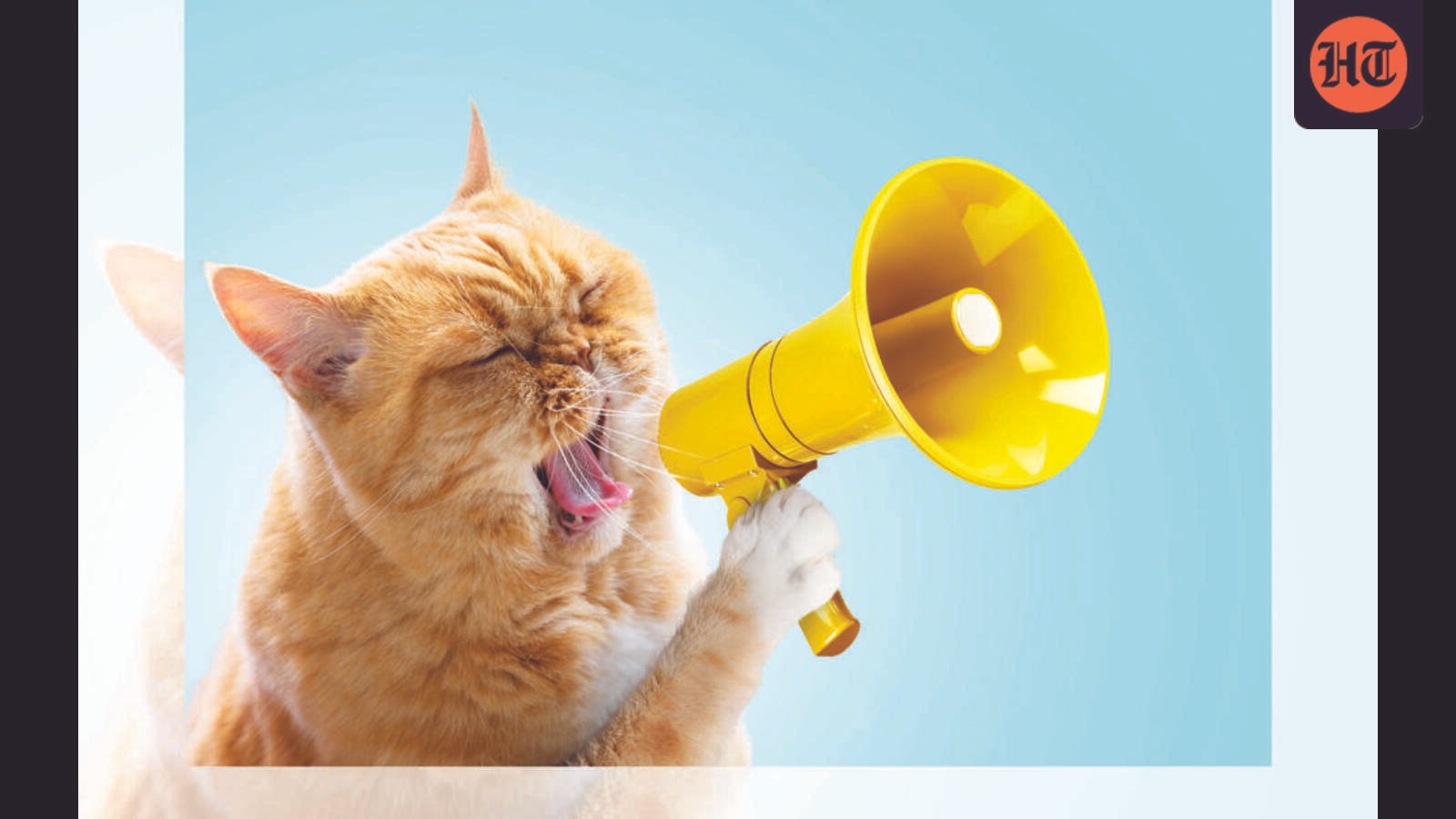
The long-standing dream of truly understanding our pets is moving closer to reality as breakthroughs in artificial intelligence promise to bridge the communication gap between species. From decoding the complex songs of humpback whales to interpreting the subtle meows of house cats, researchers are leveraging machine learning to turn animal vocalizations and behaviors into human language.
The Science of Interspecies Communication
Recent technological advancements have shifted the focus from simple observation to data-driven translation. A major patent recently filed by tech innovators proposes a system that analyzes a combination of animal sounds, physical movements, and physiological signals. By mapping these data points to specific emotional states, the technology aims to provide real-time translations of what an animal is experiencing.
This isn’t entirely new territory for science. Researchers have already discovered that elephants and marmoset monkeys use specific sounds to name one another, and many species exhibit regional dialects similar to human accents. AI is now being used to organize these massive datasets, identifying patterns in “codas” or sequences of sound that were previously indistinguishable to the human ear.
From Soundboards to Digital Decoding
The trend of “talking pets” has already taken over social media, with animals like the famous sheepadoodle, Bunny, using paw-activated soundboards to communicate needs and feelings. While these tools rely on associative learning, scientific studies have confirmed that dogs can indeed process the specific meaning of words rather than just responding to the tone of voice or physical cues.
AI-powered translation takes this a step further. Instead of an animal choosing from a limited set of pre-recorded buttons, the new technology seeks to interpret the animal’s natural communication style—such as the frequency of a bark or the specific arc of a tail wag—to provide a semantic translation in languages like English or Chinese.
The Risks of Knowing Too Much
While the prospect of chatting with a pet is exciting, it raises significant emotional and ethical questions. Many pet owners value the bond with their animals precisely because it is non-verbal. A recent global survey highlighted that 58% of owners prefer the company of their pets during stressful times over human friends or family. The silent, non-judgmental support of an animal provides a unique form of comfort that language might actually disrupt.
There is also the risk of “too much information.” Direct communication could reveal uncomfortable truths—a cat might express a genuine dislike for a specific brand of food, or a dog might reveal a preference for one family member over another. Furthermore, the realization that an animal’s needs are being ignored, such as a bird expressing distress over being caged, could lead to what some call “emotional damage” for the owner.
Preserving the Mystery of the Animal Kingdom
Beyond the domestic sphere, some argue that perfect translation could strip the magic from our relationship with nature. Much of our folklore, children’s literature, and cinema is built on the imaginative interpretation of animal behavior. If every squeak and purr is reduced to a digital text readout, the wonder of the unknown may vanish.
As AI continues to evolve, the question may shift from whether we can talk to animals to whether we should. For now, the technology remains in the research and patent stages, leaving pet owners to wonder—for a little while longer—exactly what their furry companions are trying to say.
