

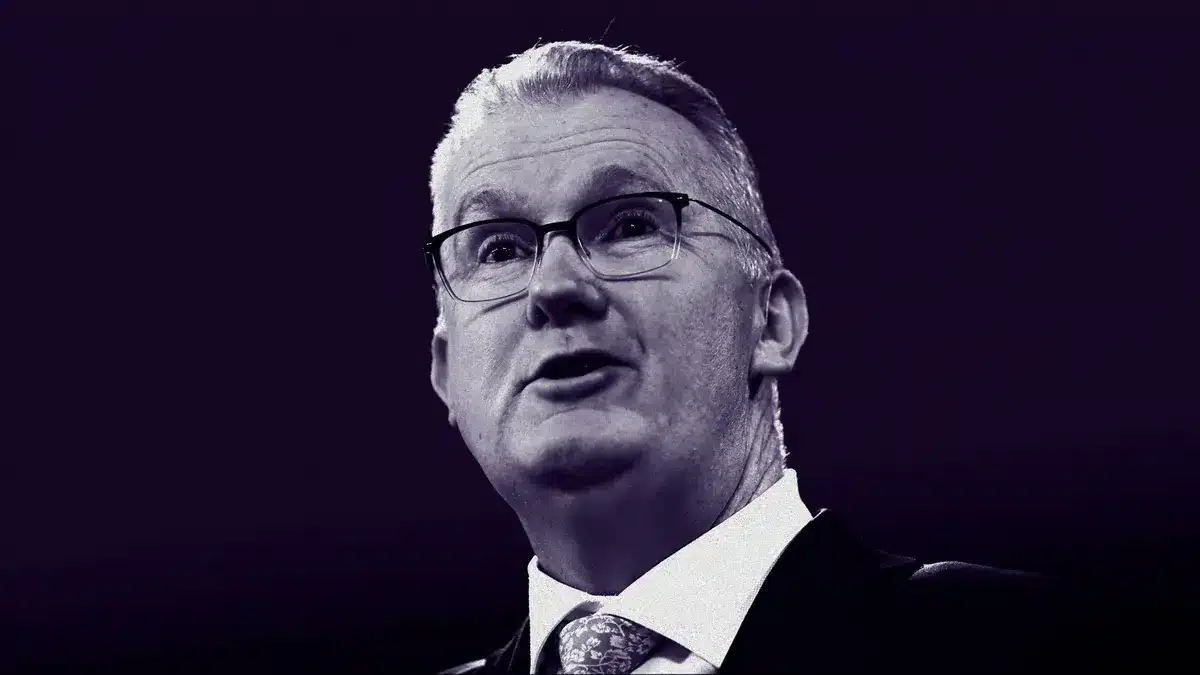
Immigration Minister Tony Burke’s recent comments suggesting that Australians’ desire for more personal space contributes to the nation’s housing crisis have drawn significant criticism. Burke stated that while Australians have the right to determine household occupancy, the migration program is not to blame for housing pressures. Instead, he suggested that post-COVID preferences for fewer people per household, coupled with the need for immigration to help boost housing supply, are key factors. This perspective, however, has been widely interpreted as out of touch with the realities faced by many Australians struggling with housing affordability.
Ministerial Remarks on Household Size and Migration
Speaking at the National Press Club, Minister Burke articulated a nuanced view on the housing crisis. He emphasized that Australians’ choices regarding how many people live in a household are a significant element. “Now Australians have every right to be able to decide how many people they want to have living per household,” Burke stated, “but that also means anyone who looks at the migration program and wants to somehow say it was their (the migrants’) fault — no, Australians have made a decision about how many people they want per household.”
He further elaborated on post-pandemic trends, noting a shift in preferences: “Post-COVID, after we’d all lived very closely to each other, a whole lot of people decided they wanted fewer people around than had previously been there, and that may continue as a trend.” Burke also indicated that immigration would be necessary to help increase housing supply to meet demand. “But immigration will need to be part of the solution to help provide some space for housing supply to catch up,” he added.
Criticism of the Minister’s Stance
Critics argue that Burke’s remarks deflect blame from government policy and the impact of high immigration levels on housing availability. The assertion that Australians’ desire for personal space is a primary driver of the crisis has been met with skepticism, particularly from those unable to afford independent housing or who are forced to live with family longer than desired due to economic pressures.
The commentary has been characterized as tone-deaf, failing to acknowledge the financial struggles of younger generations and prospective homeowners. Many are unable to leave their parents’ homes or secure rental properties due to soaring costs. The sentiment is that the government is overlooking the core issue of insufficient housing supply relative to population growth.
The Role of Household Size and Demand
Data from the Labor government’s National Housing Supply and Affordability Council report indicates a trend of increasing adults per household, reaching 2.10 in July 2025. This rise is attributed to the cost of living and housing affordability, leading adult children to remain in family homes longer. The council also points out that adults, not children, are the primary drivers of housing demand, as they are the ones seeking to rent or buy properties.
Minister Burke’s use of historical household size figures, comparing the current average of 2.5 to 2.9 during the Hawke years, has been questioned. Critics contend that this selective use of data ignores the more relevant metric of adult occupancy and the current reality of housing demand driven by adults seeking independent living arrangements.
Immigration Numbers and Housing Supply Gap
A significant point of contention is the stark contrast between population growth and new housing construction. In the 2025 financial year, Australia’s population increased by approximately 436,300 people, with net overseas migration accounting for about three-quarters of this growth. In the same period, the number of new homes built was considerably lower, around 173,800. This substantial gap between population increase and housing supply is seen by many as a direct contributor to the housing crisis.
The apparent contradiction in Burke’s statements—first asserting that immigration does not cause the housing shortage, and then suggesting that migration levels need to be adjusted to allow housing supply to catch up—has fueled further criticism. This inconsistency has led to accusations that the government is shifting its narrative and placing blame on the public for their housing circumstances.
Expert Opinions on Migration and Housing
Economists and housing experts have weighed in on the debate. Shane Oliver, Chief Economist at AMP, suggested that while Burke’s point about household size is valid, the government has allowed immigration numbers to outpace housing development. Oliver stated that high levels of immigration following the pandemic’s reopening have been a contributing factor to the significant rise in house prices since 2020.
This perspective suggests that while individual preferences for living space play a role, the scale of immigration relative to housing construction is a critical factor that the government must address. The call from experts and the public alike is for policies that align migration levels with the nation’s capacity to provide adequate housing, rather than suggesting citizens should adapt their living arrangements to accommodate broader demographic trends.
Conclusion: A Call for Listening and Action
The debate highlights a perceived disconnect between the government’s messaging and the lived experiences of Australians facing housing affordability challenges. Concerns about high rents, unattainable homeownership, and the inability of young people to establish independent lives are widespread. Critics argue that instead of suggesting citizens are at fault for wanting personal space, the government should focus on implementing effective policies to increase housing supply and ensure affordability.
The sentiment from many voters is that their concerns are not being heard or adequately addressed. The current situation, where housing costs continue to rise while supply struggles to keep pace with population growth, necessitates a more direct and responsive approach from policymakers. The focus, many believe, should be on tangible solutions to the housing shortage, rather than on the personal choices of individuals regarding their living situations.
