

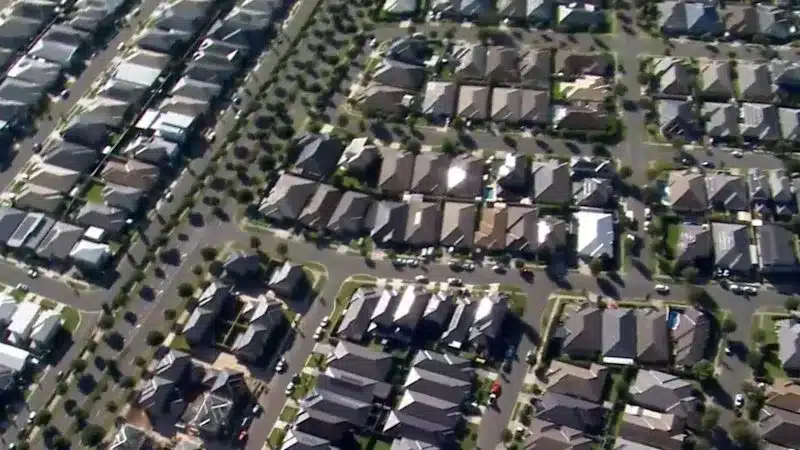
Rental prices across major Australian cities have experienced a dramatic surge, with some areas seeing increases of up to 80 percent over the past five years. This significant escalation in housing costs is placing considerable pressure on tenants and raising concerns about housing affordability nationwide. The data, compiled by property analytics firm Cotality, highlights a widespread trend of rapidly climbing rents that far outpaces wage growth for many Australians.
Understanding the Rental Market Escalation
The figures reveal a stark reality for renters in Australia’s urban centers. While the national average rent increase might be lower, specific pockets within cities like Sydney, Melbourne, Brisbane, Adelaide, Perth, Hobart, Darwin, and Canberra have borne the brunt of these escalating costs. This phenomenon is not isolated to one or two cities but appears to be a systemic issue affecting multiple markets.
Factors Contributing to Rent Hikes
Several interconnected factors are believed to be driving this unprecedented rise in rental prices:
- Low Vacancy Rates: A persistent shortage of available rental properties is a primary driver. When demand significantly outstrips supply, landlords are in a position to increase rents. Low vacancy rates mean fewer options for prospective tenants, intensifying competition for available homes.
- Population Growth and Migration: Australia’s ongoing population growth, fueled by both natural increase and international migration, adds to the demand for housing. As more people seek rental accommodation, the pressure on the existing supply intensifies.
- Investor Activity: While investor activity can sometimes increase supply, in a market with already tight supply, it can also contribute to demand. Changes in interest rates and property market sentiment can influence investor decisions, indirectly affecting rental prices.
- Construction Costs and Delays: Rising costs for building materials, labor shortages, and supply chain disruptions have slowed down new housing construction. This limits the pipeline of new properties entering the market, exacerbating supply-demand imbalances.
- Interest Rate Rises: Increases in interest rates by the Reserve Bank of Australia have made mortgages more expensive for property owners, including landlords. Some landlords may pass these increased costs onto tenants through higher rents.
- Shift in Housing Preferences: Post-pandemic shifts in lifestyle and work arrangements may also play a role, with some individuals seeking different types of housing or locations, further concentrating demand in certain areas.
Impact on Australian Households
The consequences of such substantial rent increases are far-reaching:
- Reduced Disposable Income: A larger portion of household income is now allocated to rent, leaving less for other essential expenses, savings, or discretionary spending. This can lead to financial strain and reduced quality of life.
- Increased Housing Insecurity: For many, particularly low-to-middle income earners, finding affordable and stable housing has become a significant challenge. This can lead to increased housing instability, frequent moves, and in some cases, homelessness.
- Geographical Constraints: Renters may be forced to move further away from their workplaces or support networks to find more affordable options, leading to longer commutes and increased transportation costs.
- Economic Slowdown: Reduced disposable income can have a ripple effect on the broader economy, potentially dampening consumer spending and economic growth.
Regional Variations in Rent Increases
While the trend is national, the severity of rent increases varies across different cities and suburbs. Some of the most significant jumps have been observed in areas experiencing rapid population influx or facing acute housing shortages. For instance, specific regional centers or rapidly developing urban fringes might see even higher percentage increases than established city centers, reflecting localized supply and demand dynamics.
Looking Ahead: Potential Solutions and Future Outlook
Addressing the escalating rental crisis requires a multi-faceted approach involving government policy, developer initiatives, and community support. Potential strategies include:
- Boosting Housing Supply: Implementing policies that encourage and expedite the construction of new homes, including affordable housing options, is crucial. This could involve streamlining planning processes, offering incentives for developers, and investing in social housing projects.
- Rental Assistance Programs: Enhancing rental subsidies and support programs for low-income households can provide immediate relief and improve housing security.
- Regulatory Measures: Some jurisdictions are exploring or have implemented measures such as rent caps or stricter regulations on short-term accommodation to help stabilize the market, though the effectiveness and economic impact of such measures are often debated.
- Incentivizing Long-Term Rentals: Policies that encourage property investors to offer long-term rental agreements rather than short-term leases could help increase the stable housing supply.
- Addressing Construction Bottlenecks: Initiatives to mitigate rising construction costs and labor shortages are necessary to ensure new housing can be built efficiently and affordably.
The current trajectory of rental price growth poses a significant challenge to housing affordability in Australia. Without concerted efforts from all stakeholders, the dream of secure and affordable housing may become increasingly elusive for a growing number of Australians. The data from Cotality serves as a stark reminder of the urgent need for effective housing strategies to ensure the stability and well-being of communities across the nation.
