

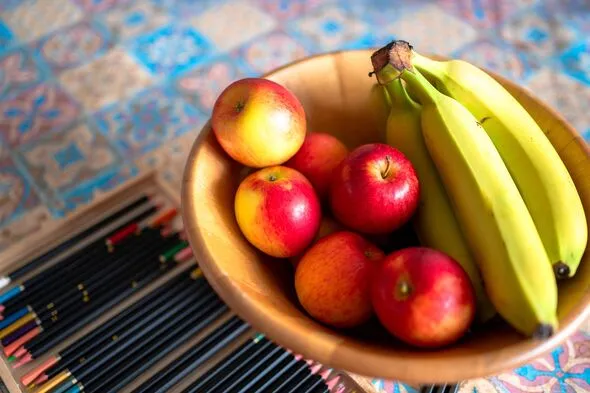
Bananas rank among the most popular kitchen staples for toast, porridge, or pancakes, yet over a million are thrown away daily in the UK due to improper storage in fruit bowls.
Why Fruit Bowls Speed Up Banana Ripening
Many fruits emit ethylene gas, an invisible ripening agent that accelerates the softening process. Bananas produce high levels of this gas and react strongly to it from nearby produce like apples, avocados, mangoes, and peaches. Stored together, bananas quickly develop spots, turn brown, and become mushy within days.
Expert Tip to Extend Banana Freshness
Food storage expert Linda Loosli from Food Storage Moms recommends separating bananas from other fruits and wrapping their stems in cling film. This simple step traps the ethylene gas at the stem, slowing the ripening process and keeping bananas firm for several extra days—some report up to two weeks.
“You’re probably wondering why you’d need to go through the hassle of wrapping the banana stems with plastic wrap, but it’s pretty simple,” Linda stated. “When wrapped in plastic, the bananas contain more of their ethylene gas, which prevents the ripening process from happening too quickly. If you don’t want the bananas to end up ripening fast before you’re ready to eat them or use them to make something, this is an important trick that will extend the life of the fruit.”
Step-by-Step Banana Storage Guide
- Keep the bunch intact at the stem to minimize gas release.
- Place in a separate bowl away from ethylene-producing fruits.
- Tightly wrap the stem base with cling film or tin foil—avoid baking paper, as it allows gas to escape.
For maximum longevity, refrigerate ripe bananas to prevent waste entirely.
This method offers an easy, effective way to reduce food waste and enjoy fresher bananas longer.
