

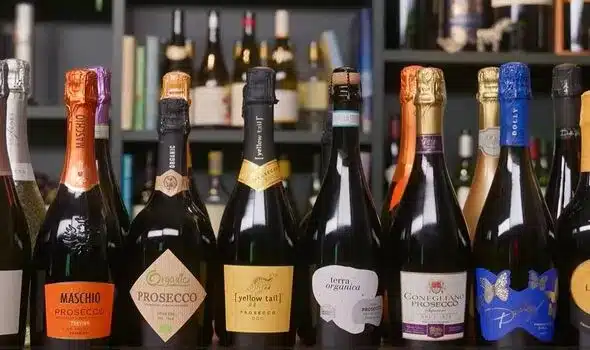
A wine expert has identified three standout Proseccos after conducting a blind tasting of 16 different bottles sourced from major UK supermarkets. Tom Gilbey, a wine connoisseur, evaluated each sparkling wine, with prices ranging from £6.99 to £22, categorizing them into ‘pass,’ ‘class,’ and ‘a**e’ based on their quality.
Expert’s Criteria for the Perfect Prosecco
Gilbey shared his tasting methodology on his YouTube channel, explaining his preference for specific flavour profiles. “What I’m looking for here is apple and pear fruit, crispness, something that’s fresh, not too cloying, really clean, and I can guzzle loads of it,” he stated. His selection encompassed a variety of well-known Prosecco brands alongside supermarket-exclusive options from retailers including Sainsbury’s, Morrisons, Tesco, Waitrose, Costco, Lidl, and Aldi.
The aim of the tasting, as outlined in the video’s synopsis, was to assist consumers in navigating the sparkling wine aisle. “If you’ve ever stood in the sparkling wine aisle wondering which Prosecco to grab, hopefully this will save you a few quid… and a few bad bottles,” the description noted.
Understanding Prosecco Quality: DOC vs. DOCG
Before delving into the tasting notes, Gilbey provided context on the two primary quality designations for Prosecco: DOC and DOCG. The majority of Prosecco falls under the DOC (Denominazione di Origine Controllata) classification. This designation covers a broad geographical area in north-east Italy, including many vineyards situated in lowland regions. DOC Prosecco represents approximately 85 percent of all Prosecco produced and sold globally.
In contrast, DOCG (Denominazione di Origine Controllata e Garantita) is generally regarded as the premium tier. This classification is reserved for Prosecco produced in more specific, often higher-altitude, delimited zones such as Conegliano Valdobbiadene or Asolo. While DOC is the standard, DOCG signifies a higher level of quality and regional specificity.
Sweetness Levels Explained: Brut vs. Extra Dry
Gilbey also clarified a common point of confusion regarding Prosecco sweetness levels. Contrary to what the names might suggest, ‘Extra Dry’ Prosecco is actually sweeter than ‘Brut’. Brut Prosecco contains between 0 and 12 grams of residual sugar per litre. ‘Extra Dry’ Prosecco, on the other hand, contains a slightly higher amount, typically between 12 and 17 grams per litre. Despite these classifications, Gilbey humorously remarked during his review that the official designations meant “c**k all” in his personal ranking.
The ‘A**e’ Category: Expensive Doesn’t Mean Best
When it came to his lowest-ranked category, labelled ‘a**e’, Gilbey placed five bottles. Notably, one of these was a £16.99 bottle from Waitrose. This placement underscored his assertion that a higher price point does not automatically equate to superior taste.
He expressed a particular aversion to Maschio Prosecco, purchased from Morrisons for £10, describing it as “absolutely horrid.” Other bottles that did not impress him included Terra Organica Prosecco, Canti Prosecco DOC, and Aldi’s own-label Prosecco Spumante DOCG.
The ‘Pass’ Category: Solid Mid-Range Options
A total of eight bottles earned a spot in Gilbey’s ‘pass’ category, indicating they met his basic requirements for a good quality, drinkable Prosecco. These included:
- I Heart Prosecco DOC (£9.25)
- Lidl’s Allini Organic Prosecco DOC (£6.99)
- Sainsbury’s Taste The Difference Conegliano Prosecco (£10)
- Dolly Wines Prosecco (£10.50)
- Costco’s Kirkland Signature DOCG Prosecco (£8.29)
- Mionetto Prosecco DOC (£11.50)
- San Leo Oro Prosecco (£8.25)
- Waitrose’s Della Vite Prosecco Superiore DOCG (£22)
It is important to note that prices can fluctuate based on the retailer and any ongoing promotional offers.
The Top Three Standouts: Value and Flavour
The bottles that truly impressed Gilbey, earning him over the ‘pass’ mark and into his highest echelons, were all priced around the £11 mark. These three exceptional Proseccos were:
- Yellow Tail Prosecco DOC: Available at Sainsbury’s for £11. Gilbey noted this is an ‘Extra Dry’ style, meaning it has a slightly higher sugar content.
- Freixenet Prosecco DOC: Found at Tesco for £12.50. This bottle is also an ‘Extra Dry’ Prosecco.
- Morrisons’ La Gioiosa Prosecco: Priced at £10.50. La Gioiosa stands out as a ‘Brut’ style, offering a crisp and clean finish.
Commenting on his top picks, Gilbey highlighted the balance of flavour and price. “Yellow Tail and Freixenet are extra dry, so they’ve got a little more sugar in,” he shared. “But La Gioiosa is a Brut, it’s a very decent little glass of wine.” Despite including the expensive Della Vite in his ‘pass’ list, Gilbey reiterated his caution regarding high-priced bottles, advising consumers: “Do not pay £22 for a bottle of Prosecco!”
Responsible Drinking Guidelines
It is important to be aware of recommended alcohol consumption guidelines. According to the NHS, regularly drinking more than 14 units of alcohol per week can pose risks to health. The number of units in an alcoholic beverage depends on its size and alcohol strength. For context, 14 units is equivalent to approximately six pints of average-strength beer or ten small glasses of lower-strength wine.
Alcohol should only be consumed by individuals aged 18 and over. For independent advice and support regarding alcohol consumption, resources such as Drinkaware are available.
