

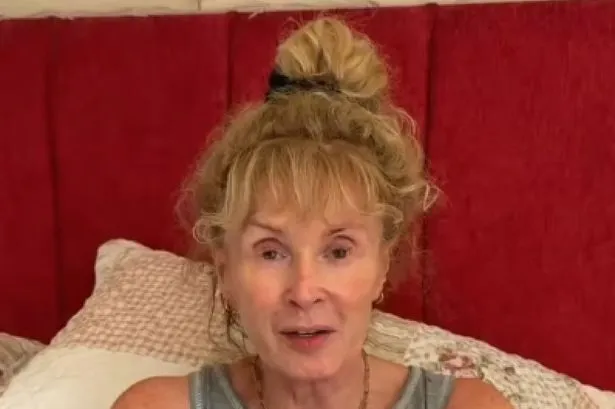
Actress Beverley Callard, widely recognized for her long-standing role as Liz McDonald in the ITV soap opera Coronation Street, has shared candid details about the physical toll of her recent cancer treatment. Following a diagnosis of breast cancer earlier this year, Callard underwent radiotherapy, a process she has now completed but which has left her experiencing significant side effects, including feeling “badly burnt.”
Completing Radiotherapy and Immediate Aftermath
Callard, 69, announced the completion of her radiotherapy sessions in February, having undergone ten rounds of treatment. She shared her progress via Instagram, expressing cautious optimism. “I’ve done it, I’ve just finished my last radiotherapy session, fingers crossed,” she posted, acknowledging that many patients require more extensive treatment. “For now, that’s finished so hopefully, don’t know for sure, but hopefully I won’t need any more.” Her husband, Jon McEwan, was present during the announcement, offering words of encouragement. Callard described feeling “a bit numb” immediately after the final session, noting that while the previous day had been challenging, she felt better on the day of her announcement. She indicated that further medical assessments, including consultations with a professor, mammograms, and oncologists, were scheduled in two months to determine the next steps and long-term prognosis.
Discussing Treatment Side Effects
In a recent appearance on the Irish talk show The Six O’Clock Show, Callard elaborated on the ongoing effects of her treatment. She revealed that alongside fatigue and nausea, she was experiencing skin burns as a result of the radiotherapy. “Nausea, really tired and just wiped out a little bit. And I’m quite badly burnt. But I’m coping really well, actually,” she stated. She reiterated that she was awaiting a clearer prognosis, with another oncologist appointment due in two weeks. Despite the challenging side effects, Callard expressed that she was managing the situation effectively.
The NHS explains that nausea can stem from various factors related to cancer and its treatment, including the disease itself, chemotherapy, radiotherapy, and certain medications like strong painkillers. The fatigue and general feeling of being “wiped out” are also common experiences associated with cancer therapies.
The Importance of Staying Occupied
Callard has returned to work amidst her recovery, a decision she made to maintain her mental well-being. She explained that staying busy and having lines to learn for her roles helps to prevent her from dwelling on her condition. “Believe me, I’ve done that as well, as we all do. But I need my mind to be occupied. If I’ve got lines to learn, it really helps. And believe me, I’ve had loads to learn, so it’s been good,” she remarked. She noted that some people had advised her against working, but she felt that remaining active was crucial for her coping strategy.
Initial Shock of Diagnosis
Earlier in the week, Callard had also spoken about the initial shock of receiving her breast cancer diagnosis. She described the news as leaving her feeling “numb” and that it took some time to fully process. Speaking on RTE Radio 1, she recounted her immediate reaction: “I just decided to keep going to work, mainly because, you just sit at home thinking about it. I worked all that day, and the next day and the next day because there was nothing I could do.”
She shared a poignant exchange with the radiotherapy staff, who informed her that while she had coped well with the treatment itself and had not missed work, the more significant side effects often manifest later. “They said ‘Yeah but the worst is yet to come.’ The side effects come a bit later. Burnt skin, I was very nauseous, so tired, it wipes you and I didn’t think I would be,” she recalled.
Positive Outlook Amidst Challenges
Despite the physical discomfort and the uncertainty surrounding her prognosis, Callard has maintained a positive outlook. She emphasized the supportive environment and the quality of care she has received. “The treatment isn’t frightening, the thought of cancer is frightening, but I have met the most wonderful people through this,” she commented, highlighting the human connections formed during her treatment journey. Her proactive approach to managing her recovery, by staying engaged with her work and openly discussing her experiences, underscores her resilience in facing the challenges of cancer treatment.
