

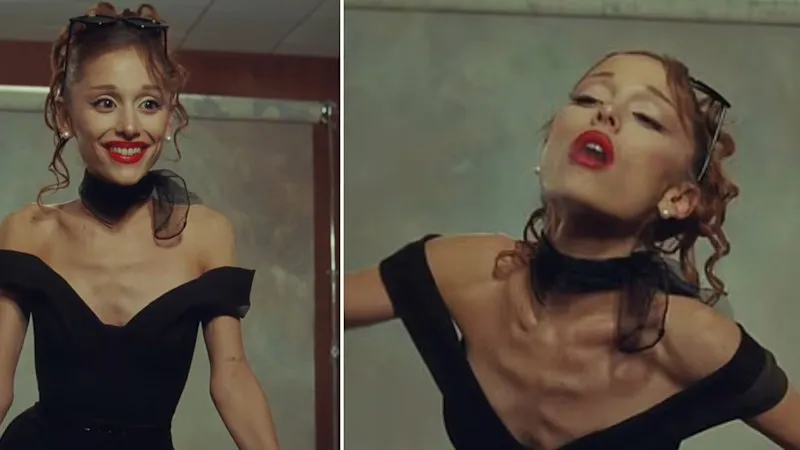
The current cultural landscape is marked by a noticeable shift in body image ideals, with extremes of thinness becoming increasingly prevalent, particularly among women, while men are encouraged towards hyper-masculine physiques. This phenomenon, observed across celebrity culture, social media, and even within military policy discussions, suggests a broader societal trend reflecting contemporary anxieties and aspirations. The focus on achieving an almost unattainable level of leanness, often presented as a sign of control and wellness, stands in contrast to previous eras that championed body positivity, highlighting a pendulum swing in aesthetic preferences and values.
The Military’s Testosterone Testing: A Symptom of Extremes?
Recent discussions around military readiness have brought the issue of physical standards into sharp focus. A directive to test military personnel aged 30 and older for testosterone levels, announced by U.S. Defense Secretary Pete Hegseth, has been interpreted by some as an attempt to ensure peak physical performance. The stated goal is to identify and treat individuals with low testosterone through hormone replacement therapy, aiming to optimize their operational capabilities. However, this initiative has also drawn criticism. Concerns have been raised about the potential impact on troop morale, the message it might send to adversaries about the military’s perceived vulnerabilities, and its exclusionary implications for women in the armed forces. Critics argue that such a policy, focusing on a specific biological marker associated with traditional masculinity, could inadvertently sideline or devalue the contributions of female service members and individuals who do not fit a narrow definition of physical prowess.
Shifting Ideals: From Body Positivity to Extreme Thinness
The cultural narrative surrounding body image has undergone a significant transformation. The late 2000s saw a rise in the body positivity movement, which advocated for the acceptance and celebration of diverse body types. However, this has seemingly given way to a new ideal, characterized by extreme thinness, particularly visible in entertainment and online spaces. Celebrities and influencers often showcase a lean physique, attributing it to rigorous exercise routines like Pilates and strict dietary practices, such as consuming green juices. This trend has sparked debate, with many expressing concern over the health implications and the potential for promoting unhealthy body standards.
Ariana Grande and the ‘Skeletal’ Aesthetic
The pop star Ariana Grande recently became a focal point in this discussion following the release of her music video for “Petal.” Her appearance in the video, described by some as gaunt with visibly protruding shoulder bones, led to widespread fan concern and a surge of commentary regarding the normalization of extreme thinness. The narrative within the video, which juxtaposes Grande’s character seeking approval with violent retribution, has been interpreted as a reflection of extreme emotional states, mirroring the extreme physical presentation. Grande has since announced a hiatus from public visibility, acknowledging the intense scrutiny surrounding her appearance and the ensuing public discourse on commenting on women’s bodies, even when framed as concern for their well-being.
Male Body Image: The Rise of ‘Looksmaxxing’ and the ‘Mini-Paunch’
The pressure to conform to specific physical ideals is not limited to women. Men are increasingly engaging in practices like “looksmaxxing,” a trend focused on optimizing physical appearance through methods such as muscle enhancement and facial contouring. Simultaneously, media attention has also turned to male body image concerns, albeit often with a different tone. An article in The Times of London, for instance, discussed the “mini-paunch” of UK Prime Minister Andy Burnham. Despite being described as fit and a marathon runner, Burnham’s slight abdominal prominence was noted, though the commentary was framed more as an observation of common male physical changes rather than harsh criticism. This contrasts with the often severe judgment faced by women for perceived physical imperfections.
Contrasting Scrutiny: Burnham’s Wife and Online Trolls
The differing levels of public scrutiny applied to men and women’s appearances were further highlighted by the reaction to Prime Minister Burnham’s wife, Marie-France Van Heel. Despite appearing well-dressed in a Victoria Beckham dress during an official outing, she faced significant online criticism from internet trolls. This incident underscores a persistent societal tendency to subject women to intense judgment regarding their appearance, often irrespective of their actual presentation, reinforcing the idea that women must adhere to very narrow aesthetic boundaries to gain approval.
The Monetization of Thinness: ‘Skinny Influencers’ and Control
The contemporary pursuit of thinness has also become a lucrative market, with a new generation of “skinny influencers” cultivating large followings. These influencers often promote a philosophy of “dropping the rules” around dieting and developing a “normal” relationship with food, suggesting moderation rather than strict restriction. Their content frequently centers on demonstrating self-control, such as consuming only a small portion of a desired food item and discarding the rest. While they claim to teach skills of self-composure and healthy regulation, critics point out the irony of building a career around food while constantly discussing it. This approach, rather than solely promoting beauty, appears to emphasize control and a curated sense of “hotness,” a standard now extending to men as well, potentially trapping them in similar cycles of expectation and self-monitoring.
Historical Context and the Pursuit of Ideals
The human drive to establish and pursue aesthetic ideals is not new. Throughout history, societies have elevated certain standards of appearance, often at great personal cost. Practices like foot-binding in Ming Dynasty China and Victorian-era corsetry are historical examples where adherence to beauty standards necessitated significant suffering, particularly for women. Today’s emphasis on extreme thinness and sculpted physiques, while perhaps less physically invasive in some respects, continues a pattern of striving for an idealized form. The current cultural moment, characterized by these physical extremes, reflects a complex interplay of societal pressures, economic incentives, and evolving notions of health, control, and desirability in the digital age.
Conclusion: Extremes as a Reflection of the Zeitgeist
The parallel trends of hyper-masculine ideals for men and extreme thinness for women, alongside the military’s focus on testosterone levels, collectively paint a picture of a society grappling with evolving definitions of strength, control, and desirability. These body image extremes, amplified by social media and commercial interests, serve as a potent reflection of the current cultural moment, or zeitgeist. Whether it’s the pressure to achieve a certain physique or the intense scrutiny applied to public figures, the discourse highlights a societal preoccupation with physical perfection and the often-unseen pressures individuals face in meeting these shifting, and frequently extreme, standards.
