

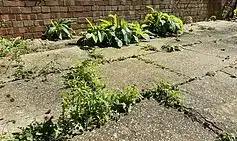
Tackling stubborn weeds in the garden can be a persistent challenge for many homeowners. Often, as soon as one batch is cleared, another seems to spring up, leading to a seemingly endless cycle of maintenance. While chemical herbicides are readily available, concerns about their environmental impact and potential harm to surrounding plants and wildlife lead many to seek alternative methods. Manual weeding, though effective, can be physically demanding and time-consuming. Fortunately, a remarkably simple and cost-effective solution exists, requiring no special products or trips to the store: ordinary boiling water.
The Power of Boiling Water for Weed Control
This natural method leverages the extreme heat of boiling water to effectively kill weeds and, crucially, prevent their return. Unlike common natural remedies such as salt or vinegar, which have their own drawbacks and limitations, boiling water offers a straightforward approach. The Two Minute Gardener, an advocate for pesticide-free gardening for over two decades, highlights the efficacy of this technique. While acknowledging the popularity of vinegar as a non-chemical weed killer, he asserts that boiling water provides superior results.
Boiling water is particularly well-suited for eradicating weeds in hardscaping areas such as patios, pathways, and gravel drives. Its effectiveness is pronounced for weeds that sprout between paving slabs, in cracks in brickwork, or amidst loose gravel. The key advantage, as explained by gardening experts, lies in its ability to penetrate the soil and reach the weed’s root system. Many chemical treatments, and even some natural ones, primarily target the foliage, leaving the roots intact to regrow. Boiling water, however, is potent enough to damage or destroy these vital underground structures, offering a more permanent solution.
How to Safely Apply Boiling Water to Eliminate Weeds
Implementing this weed control strategy is uncomplicated, requiring only a kettle and basic safety precautions. The process involves:
- Gathering Supplies: You will need a kettle to boil water and a pair of protective gloves and sturdy footwear. Safety is paramount when handling boiling water to prevent scalding.
- Boiling the Water: Fill your kettle to its maximum capacity and bring the water to a rolling boil.
- Application: Carefully transport the kettle to the affected garden area. Pour the boiling water directly onto the weeds you wish to eliminate. Aim to saturate the base of the plant, ensuring the heat reaches the roots.
It is essential to exercise caution during application. Avoid splashing yourself or others, and be mindful of nearby desirable plants, as the boiling water will harm any vegetation it contacts. This method is best reserved for areas where weeds are growing unwanted, such as cracks in driveways, between patio stones, or in gravel beds. For lawns, a more targeted approach might be necessary to avoid damaging the grass.
Why Boiling Water Outperforms Other Natural Methods
While vinegar and salt are frequently cited as natural weed killers, they come with significant caveats. Vinegar, particularly horticultural vinegar with a higher acetic acid concentration, can be effective at burning weed foliage. However, it is often less successful at penetrating the soil to kill the roots, leading to regrowth. Furthermore, the acidity of vinegar can alter soil pH, potentially harming beneficial soil microbes and making the environment less hospitable for desired plants over time. Salt, while an effective desiccant that draws moisture out of plants, poses a more serious long-term threat. It can accumulate in the soil, rendering it sterile and unusable for gardening for extended periods. This makes it unsuitable for most garden applications, especially near flower beds or vegetable patches.
Boiling water, in contrast, offers a temporary, localized effect. Once the water cools and dissipates, it leaves no harmful residues in the soil. Its primary action is thermal shock, which effectively kills the plant tissue on contact and, when applied thoroughly, can damage the root system. This makes it a safer, more environmentally friendly option for controlling weeds in specific areas without the lasting negative consequences associated with salt or the potential soil disruption from vinegar.
Best Applications and Considerations
The effectiveness of boiling water is most pronounced on young, annual weeds. For more established perennial weeds with deep taproots, repeat applications may be necessary to weaken and eventually kill the plant. It’s crucial to understand that boiling water is a non-selective herbicide; it will kill any plant it touches. Therefore, careful application is key. Focus on areas where weeds are growing in unwanted locations, such as:
- Cracks between paving stones and patio slabs
- Gravel paths and driveways
- Around the base of walls or fences where weeds often emerge
- In cracks in brickwork or tarmac
Avoid using boiling water directly on or near the roots of plants you wish to keep, including the lawn. If you are treating weeds in a lawn, consider using a watering can with a narrow spout to direct the water precisely at the weed’s base. For larger areas, a large kettle or even a pot of boiling water carried carefully can be used, but always prioritize safety.
Conclusion: A Simple, Sustainable Weed Solution
The humble kettle of boiling water presents a powerful, accessible, and environmentally sound method for managing weed growth in many garden situations. It bypasses the need for harsh chemicals and avoids the long-term soil damage that can result from salt or vinegar. By understanding its application and adhering to safety precautions, gardeners can effectively combat persistent weeds, keeping their patios, pathways, and borders looking neat and tidy without resorting to costly or harmful products. This simple yet effective technique empowers individuals to maintain their outdoor spaces sustainably, proving that sometimes, the most effective solutions are the ones already at hand.
