

Translating a beloved novel to the screen presents a significant challenge, requiring a delicate balance between satisfying existing fans and attracting new audiences, all while navigating the inherent difficulties of shifting storytelling mediums. Despite these hurdles, some book-to-screen adaptations have faced widespread criticism for deviating drastically from their source material, leaving readers feeling their favorite stories have been misunderstood or misrepresented. Online discussions reveal a common sentiment among readers: the original books are often far superior to their cinematic counterparts.
Disappointing Book-to-Screen Adaptations
Readers have voiced their frustrations with numerous film and television adaptations, pointing to specific instances where the spirit, plot, or characters of the original books were significantly altered or omitted. These criticisms often stem from a perceived failure to capture the essence of the literary work, leading to narratives that feel incomplete or fundamentally changed.
The Hobbit and Its Extended Narrative
One frequently cited example is the adaptation of J.R.R. Tolkien’s The Hobbit. While the source material is a cornerstone of fantasy literature, the film version was criticized for expanding the story excessively, resulting in a narrative described by some as overly long, incoherent, and akin to “fan fiction.” The films introduced plotlines and characters not present in the original novel, departing from the more focused adventure of Bilbo Baggins.
Dracula’s Modern Interpretations
Bram Stoker’s Dracula has seen numerous adaptations, yet many readers lament the consistent alteration of the character Mina Harker. Critics argue that modern film versions often diminish Mina’s agency and complexity compared to her portrayal in the 1897 novel, which is noted for passing the Bechdel test. The perceived “nerfing” of Mina’s character across various adaptations is a point of contention for fans of the original text.
Confessions of a Shopaholic: A Divergent Path
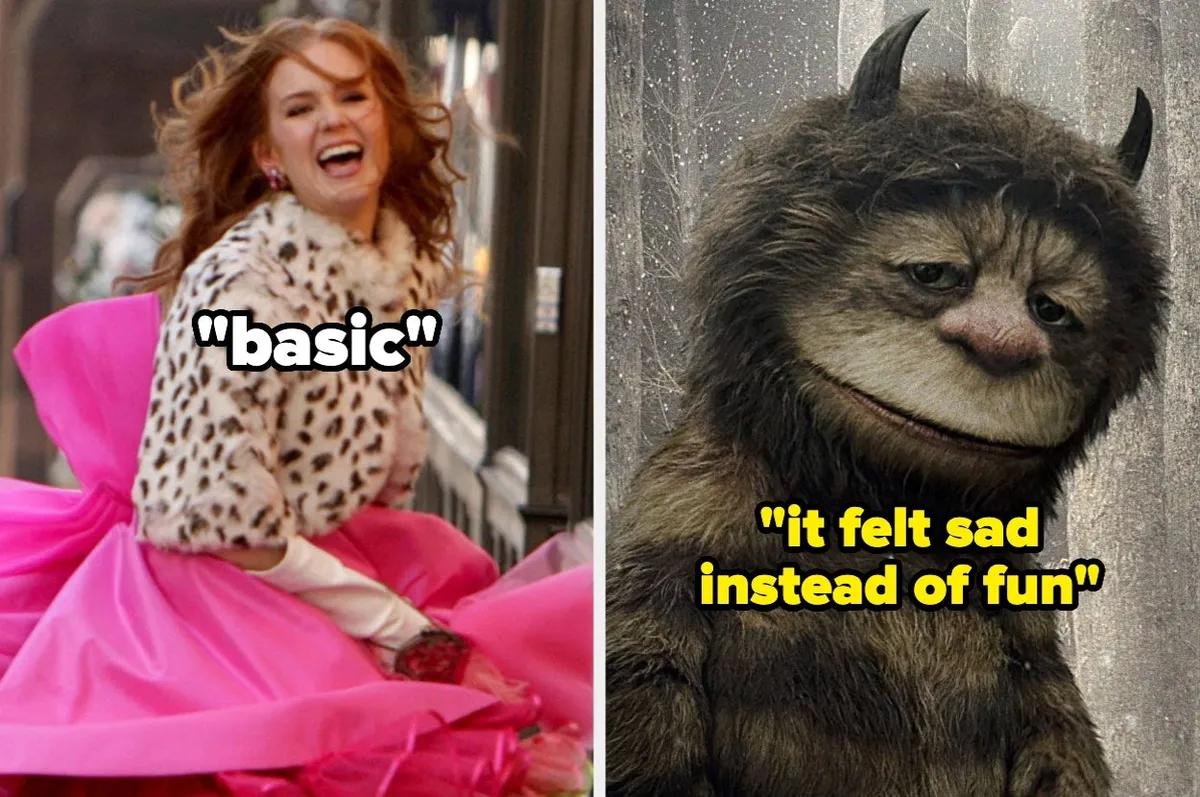
The film adaptation of Confessions of a Shopaholic is another example where the screen version diverged significantly from the book. While retaining the protagonist’s name and a few minor plot elements, the movie was seen as a departure from the novel’s more complex characterizations, particularly that of Luke Brandon. Readers felt the adaptation simplified the narrative into a standard romantic comedy, missing opportunities to explore the richer material present in the book series.
I Am Legend’s Unpopular Ending
Richard Matheson’s novel I Am Legend has been adapted multiple times, but a recurring criticism is the consistent refusal of filmmakers to adhere to the book’s original, impactful ending. Despite the author’s own observations about Hollywood’s disinterest in filming his story as written, adaptations have opted for endings that test better with audiences, thereby altering the novel’s thematic conclusion.
Starship Troopers: A Genre Shift
Robert Heinlein’s Starship Troopers presents a unique case. While the film adaptation is often considered a good movie in its own right, it is widely regarded as a poor adaptation of the book. The movie shifts the focus and tone considerably from the novel’s satirical and militaristic themes, leading to a significant disconnect between the literary and cinematic experiences.
Jurassic Park: The Lost World’s Narrative Discrepancies
The film Jurassic Park: The Lost World, while an acceptable movie for some, bears little resemblance to Michael Crichton’s novel of the same name. A substantial number of characters from the book are absent in the film, and the plotlines are vastly different. The movie’s dramatic climax in San Diego contrasts sharply with the book’s more contained ending, where characters escape the island with their futures uncertain.
Cloud Atlas: A Complex Undertaking
David Mitchell’s Cloud Atlas, with its intricate structure weaving multiple timelines and reincarnated souls, posed a formidable challenge for adaptation. While the film version was visually ambitious, some readers felt it struggled to translate the novel’s complex narrative tapestry, leading to a less cohesive experience than the book.
The Black Cauldron’s Simplification
Disney’s animated adaptation of Lloyd Alexander’s The Black Cauldron is often criticized for stripping away the character development, intricate story, and thematic depth of The Chronicles of Prydain series. Readers familiar with the books found the movie to be a simplified and less engaging version of a beloved fantasy saga.
Watchmen: Missing the Mark
Despite being a visually faithful, shot-for-shot adaptation of Alan Moore and Dave Gibbons’ graphic novel Watchmen, the film directed by Zack Snyder was perceived by many to miss the original work’s nuanced tone and thematic complexity. Critics suggested the adaptation failed to capture the philosophical depth of the source material.
The Golden Compass’s Deviations
The 2007 film adaptation of Philip Pullman’s The Golden Compass (part of the His Dark Materials series) was met with disappointment by many readers. The movie was criticized for being difficult to follow and for altering key elements of the book’s narrative and world-building, leaving a memorable but ultimately disconnected impression.
Annihilation: A Creative Pass
Jeff VanderMeer’s novel Annihilation also inspired a film adaptation that, while considered by some to be a “horrid adaptation,” was also praised for its own unique artistic merits. The movie’s distinctive, surreal, and atmospheric qualities led some viewers to forgive its significant departures from the book.
Artemis Fowl and The Last Airbender Comparisons
The adaptation of Eoin Colfer’s Artemis Fowl was met with such strong negative reactions that it was unfavorably compared to other widely panned adaptations, such as *The Last Airbender*, suggesting a profound failure to connect with the source material.
The Other Boleyn Girl’s Narrative Gaps
Philippa Gregory’s The Other Boleyn Girl suffered from an adaptation that, according to readers, omitted crucial details and relied heavily on visual cues rather than narrative substance. The film left many viewers, even those who had read the book, confused by its condensed and altered storyline.
Killers of the Flower Moon’s Controversial Change
Martin Scorsese’s adaptation of Killers of the Flower Moon: The Osage Murders and the Birth of the FBI by David Grann faced criticism for a significant narrative change that some described as “vile,” indicating a departure from the factual and ethical considerations presented in the book.
The Handmaid’s Tale: A Disappointing Continuation
Margaret Atwood’s seminal novel The Handmaid’s Tale has been adapted into a television series that has drawn criticism for its deviations from the book. Specific issues raised include revealing plot twists too early and a perceived decline in quality and narrative coherence in later seasons, with many readers asserting that the book remains the superior work.
Conclusion: The Enduring Appeal of the Original Text
The recurring theme across these criticisms is the deep connection readers form with literary works. When adaptations fail to capture the essence, complexity, or intended message of a book, the disappointment can be profound. While successful adaptations are celebrated, these examples highlight the significant challenges in translating the rich inner worlds and nuanced narratives of literature to the visual medium, often reinforcing the enduring power and superiority of the original books in the eyes of their fans.
