

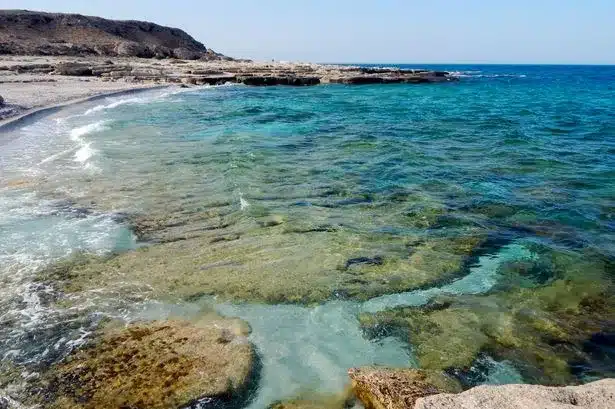
The Caspian Sea stands as the world’s largest lake, covering 386,400 square kilometers (149,200 square miles)—an area comparable to Japan. This vast inland body of water spans Europe and Asia, bordering Kazakhstan, Russia, Azerbaijan, Iran, and Turkmenistan. Its surface lies approximately 27 meters below sea level.
Impressive Size and Global Significance
The Caspian Sea dwarfs other major lakes, measuring nearly five times the size of Lake Superior, which spans 82,000 square kilometers along the Canada-U.S. border. It holds about 44% of the planet’s lake waters, making it a dominant feature in global hydrology.
Ancient Origins and Freshwater Inflow
Dating back around 30 million years and becoming landlocked about 5.5 million years ago, the Caspian Sea receives freshwater from over 130 rivers. Europe’s longest river, the Volga, serves as its primary source, keeping the water nearly fresh. Other key tributaries include the Ural and Kura rivers.
Islands, Cities, and Economic Importance
Small islands dot the northern shallows and coastal areas, with none in the deeper central regions. Major cities along its shores include Baku, Azerbaijan’s capital and the largest urban center; Astara in Iran; Atyrau in Kazakhstan; and Derbent in Russia. The lake supports vital industries, notably caviar production and oil extraction.
Biodiversity and Environmental Challenges
Home to roughly 850 animal species and over 500 plant species—many endemic—the Caspian Sea hosts unique wildlife like the Caspian seal and beluga. Six sturgeon species face critical endangerment. However, oil industry pollution and river dams threaten its ecosystem. Climate change projections indicate a potential depth reduction of 9 to 18 meters.
