

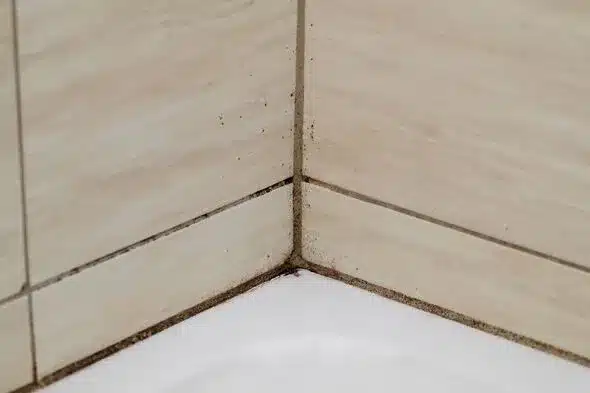
Bathrooms, often damp and humid, can quickly become breeding grounds for unsightly bacteria and stubborn mould. These unwelcome guests frequently target grout lines and shower corners, diminishing the appeal of even the most meticulously kept spaces.
A Powerful DIY Mould Solution Emerges
A cleaning expert, known online as Mama Mila, has shared an effective, multi-ingredient paste designed to tackle shower mould and prevent its return. This powerful concoction utilizes readily available household items to create a potent cleaning agent.
The Four-Ingredient Formula
To prepare this effective mould fighter, combine the following in a bowl:
- One cup of baking soda
- Half a cup of hydrogen peroxide
- One tablespoon of washing-up liquid
- A few drops of tea tree oil (optional, but recommended for enhanced antifungal properties)
Once mixed into a paste, transfer the solution into a squeezable bottle with a narrow nozzle for precise application.
Application and Cleaning Process
Directly apply the paste to the grout lines in your shower using the nozzle. Allow the paste to sit for a period, then use a sponge to scrub the area thoroughly. Finally, rinse the treated surfaces with ample water.
This potent mixture is suitable for use on grout, tiles, and shower screens, promising to restore their shine.
The Science Behind the Ingredients
Baking Soda’s Role
Baking soda, also known as bicarb, combats mould by creating an alkaline environment that inhibits its growth. Its alkaline nature also effectively breaks down and lifts grease. Furthermore, its mild abrasive qualities help remove tough stains without damaging surfaces.
Washing-Up Liquid’s Contribution
When combined with baking soda, washing-up liquid enhances the cleaning process. Acting as an emulsifier, it helps to bind with grease and oil, making them easier to rinse away.
Hydrogen Peroxide’s Power
Hydrogen peroxide functions as an oxidizing agent, releasing oxygen that breaks down mould cells. It also acts as a bleaching agent, helping to restore grout to its original white appearance.
Tea Tree Oil: The Natural Antifungal Agent
The optional addition of tea tree oil provides significant antifungal benefits. Natural oils like tea tree oil are recognized for their efficacy in killing mould spores by disrupting their cell walls, which prevents further growth and spread. Clinical studies have indicated that tea tree oil is effective against common mould strains such as Penicillium chrysogenum and Aspergillus fumigatus. Beyond its cleaning properties, tea tree oil can also impart a more pleasant, less chemical scent to the cleaned area.
While tea tree oil is a natural and environmentally friendly option, it is important to note that it can be toxic if ingested and may cause irritation to sensitive skin.
