

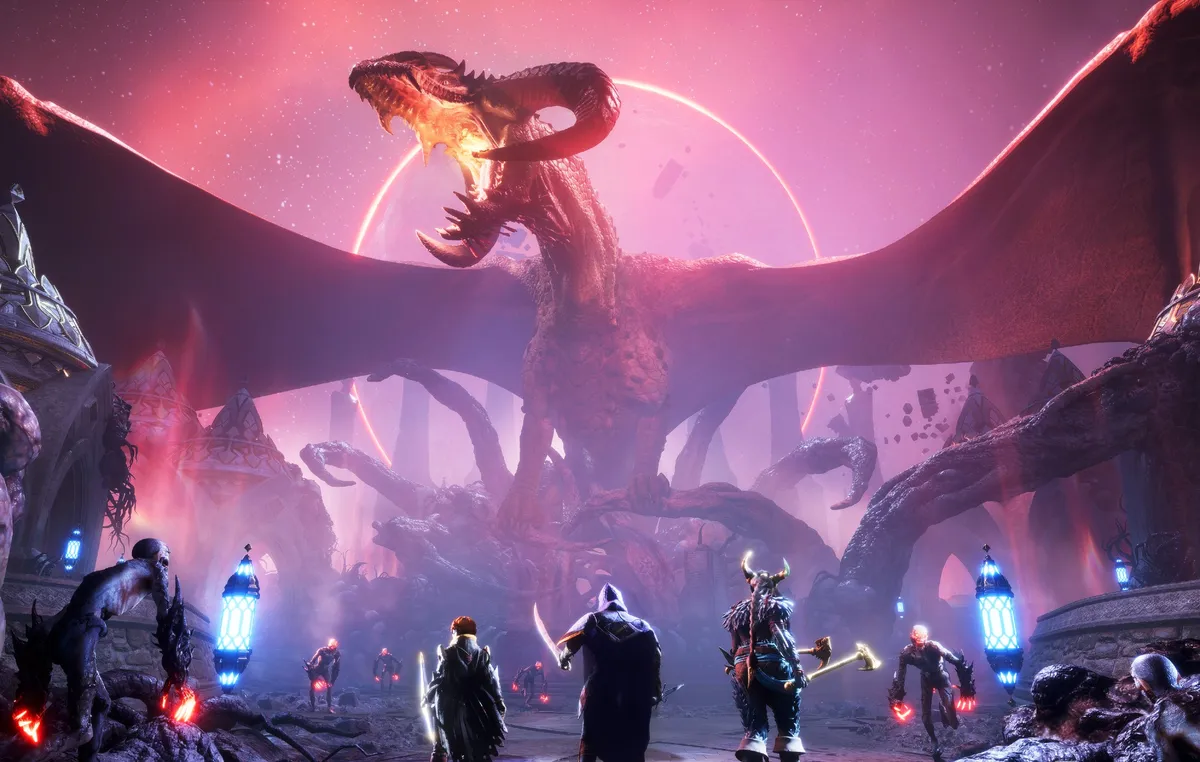
The future of the acclaimed Dragon Age fantasy role-playing series appears uncertain, following a significant sales shortfall for its latest installment, Dragon Age: The Veilguard. David Gaider, the original lead writer and a key creative force behind the franchise’s inception, has expressed skepticism about the likelihood of new games being developed.
Sales Performance of The Veilguard
Published by Electronic Arts (EA), Dragon Age: The Veilguard reportedly failed to meet its sales targets shortly after its launch. EA disclosed that the game sold approximately 1.5 million units, falling nearly 50% short of an estimated target of 3 million players purchasing the action role-playing title. This underperformance has cast a shadow over the franchise’s prospects.
Creator’s Perspective on Franchise History
Gaider, who was instrumental in shaping the narrative and world of the original Dragon Age: Origins, Dragon Age 2, and Dragon Age: Inquisition before departing BioWare in 2016, shared his insights in a recent interview. He suggested that the series has historically operated under the threat of cancellation.
“Throughout the entire time I was there, we were always one breath away from the project being shelved,” Gaider stated. He elaborated that the games consistently sold better than EA’s expectations, which seemed to surprise the publisher. “They never knew what to do with it,” he recalled. “So whenever a Dragon Age game sold well, we got [told] that it was a fluke.” This apparent disconnect between publisher expectations and franchise performance may have contributed to the current precarious situation.
Gaider’s Vision for a Revitalized Dragon Age
Despite his doubts about EA’s commitment, Gaider expressed a personal willingness to revive the franchise should the opportunity arise. He indicated that he would embrace the challenge of returning the series to its roots, focusing on the core elements that initially captivated its audience.
“I do like a challenge,” Gaider admitted. “So if, out of some weird alignment of the stars, somebody handed the Dragon Age franchise back to me and said, ‘Breathe the life back into this baby’, that’d be a tough one, but I think that’d be an interesting thing to do.” His proposed direction involved returning to the series’ darker, more dangerous themes and exploring narratives that could provoke strong emotional responses from players. “To go back to the basics of what made Dragon Age appeal to so many people in the first place. And go somewhere dark and dangerous, and do things that will make people upset. I think that’s what I would want to do with it.”
BioWare’s Current Focus and Studio Changes
Following the release of The Veilguard, BioWare has shifted its primary development focus to a new installment in the Mass Effect series. Additionally, Corinne Busche, the game director for The Veilguard, has departed the studio. These developments further underscore the uncertainty surrounding the Dragon Age franchise.
Historical Context and Franchise Appeal
The Dragon Age series, launched in 2009, quickly garnered a dedicated following for its rich lore, complex characters, and player-driven narrative choices. Dragon Age: Origins was particularly lauded for its deep role-playing mechanics and mature storytelling. Subsequent titles, while exploring different gameplay styles and narrative approaches, continued to build upon the established world of Thedas. The franchise’s appeal has often been attributed to its blend of epic fantasy, political intrigue, and morally ambiguous decisions.
The sales figures for The Veilguard, however, suggest a potential disconnect with the broader market or a failure to meet publisher financial expectations. The discrepancy between player engagement and sales targets raises questions about the franchise’s commercial viability in its current form.
Conclusion: A Question Mark Over Thedas
With a key creative figure expressing doubts and the publisher’s latest title underperforming, the path forward for the Dragon Age series remains unclear. While Gaider’s vision offers a potential blueprint for a return to form, the ultimate decision rests with EA. For now, fans of the world of Thedas are left to wonder if their next journey into this beloved fantasy realm will ever materialize.
