

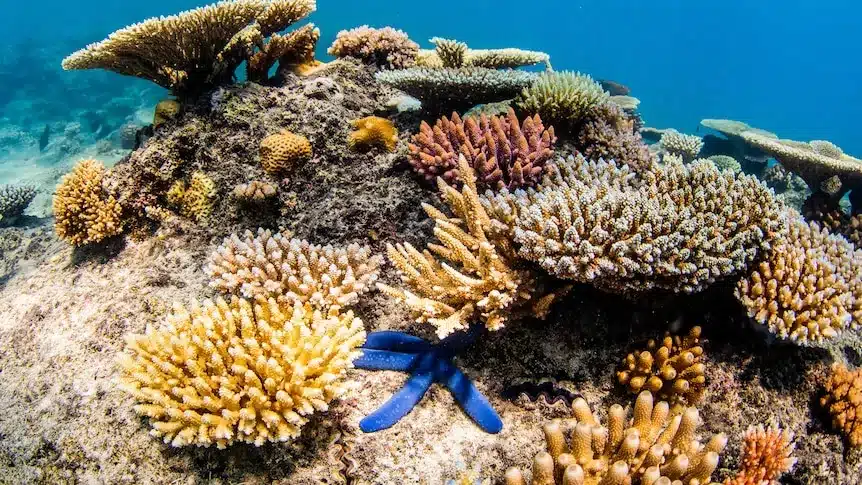
The Great Barrier Reef has been spared a listing on the UNESCO World Heritage List of Endangered Sites, according to a draft decision by the World Heritage Committee. This outcome follows intense scrutiny and debate over the health of the iconic natural wonder, particularly in light of recent mass coral bleaching events. While the committee acknowledged Australia’s conservation efforts, it also expressed significant concerns about the reef’s future.
Reef’s Status and Committee’s Decision
The UNESCO World Heritage Committee’s preliminary recommendation means the Great Barrier Reef will not be formally designated as a site “in danger” at this time. This decision is a temporary reprieve, reflecting a complex assessment of the reef’s condition and the management strategies being implemented by Australian authorities. The committee’s deliberations are crucial, as such a designation could have significant implications for international funding, tourism, and conservation priorities.
In its draft decision, the committee recognized the substantial work undertaken by Australia to improve the reef’s water quality and implement conservation measures. These efforts, often detailed in extensive reports submitted by the Australian government, aim to address the myriad threats facing the reef. However, the committee also highlighted that these actions have not yet fully mitigated the severe impacts of climate change, which have led to recurrent and widespread coral bleaching.
Concerns Over Coral Bleaching and Climate Change
Mass coral bleaching events, driven by rising ocean temperatures, remain the most pressing threat to the Great Barrier Reef. These events occur when corals, stressed by heat, expel the symbiotic algae living in their tissues, causing them to turn white and potentially die. The frequency and severity of these bleaching incidents have increased in recent years, raising alarms among scientists and conservationists worldwide.
The World Heritage Committee’s draft decision explicitly noted these concerns, underscoring the ongoing vulnerability of the reef ecosystem. While Australia has invested in programs to improve water quality by reducing agricultural runoff and coastal development impacts, the overarching threat of global warming continues to undermine these local efforts. The committee’s stance emphasizes that without decisive global action to curb greenhouse gas emissions, the long-term survival of coral reefs like the Great Barrier Reef remains precarious.
Australia’s Conservation Efforts and Future Reporting
Australian authorities have been actively engaged in developing and implementing management plans aimed at protecting the Great Barrier Reef. These plans encompass a range of strategies, including:
- Improving water quality by reducing sediment, nutrient, and pesticide runoff from agricultural lands.
- Controlling outbreaks of the coral-eating Crown-of-Thorns starfish.
- Implementing zoning plans to manage shipping, fishing, and tourism activities.
- Investing in research and monitoring to better understand reef health and threats.
- Working with Traditional Owners to incorporate Indigenous knowledge into reef management.
Despite these initiatives, the committee’s assessment indicates that the pace and scale of recovery are insufficient to counteract the damage caused by climate change. The draft decision calls for continued and enhanced efforts from Australia, particularly in strengthening resilience and adapting to changing environmental conditions.
Next Steps and Future Outlook
The World Heritage Committee has outlined a clear path forward for monitoring the Great Barrier Reef’s condition. Australia has been requested to submit a progress report on water quality initiatives by December 2028. Following this, an updated conservation report is due in 2029. These reports will be critical in informing the committee’s future decisions regarding the reef’s World Heritage status.
This ongoing monitoring framework underscores the committee’s commitment to keeping the Great Barrier Reef under review. The expectation is that Australia will demonstrate tangible improvements in reef health and resilience, alongside a clear strategy for addressing the impacts of climate change. The ultimate fate of the reef’s World Heritage status will depend on sustained, effective action and a significant global effort to mitigate climate change.
Broader Implications for World Heritage Sites
The decision regarding the Great Barrier Reef has broader implications for the management and protection of natural World Heritage sites globally. It highlights the increasing pressure that climate change is placing on ecosystems worldwide and the challenges faced by individual nations in safeguarding these invaluable natural assets. The committee’s approach signals a growing emphasis on the need for both national-level conservation actions and international cooperation to address existential threats like climate change.
The scientific community and conservation groups will be closely watching the progress reports from Australia. While the avoidance of an ‘in danger’ listing is a positive development, the underlying threats remain. The long-term health of the Great Barrier Reef, and indeed many other World Heritage sites, hinges on a collective global response to the climate crisis.
Conclusion
The Great Barrier Reef has narrowly avoided being placed on the UNESCO World Heritage List of Endangered Sites. The World Heritage Committee’s draft decision acknowledges Australia’s conservation efforts while expressing significant concerns about the ongoing impacts of coral bleaching driven by climate change. Australia is now tasked with providing detailed progress reports by 2028 and 2029, demonstrating sustained improvements in reef health and resilience. This outcome serves as a critical reminder of the profound challenges facing natural wonders worldwide and the urgent need for both national and international action to protect them.
