

The challenging economic landscape continues to impact the British high street, with several well-known brands announcing significant numbers of store closures. From fashion retailers and stationery shops to banks and beloved bakeries, a fresh wave of shutdowns is set to affect numerous towns and cities across the UK.
Fashion Retailer River Island Announces Multiple Store Closures
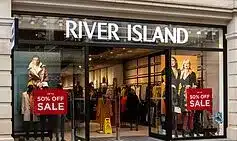
Fashion chain River Island is among the brands implementing closures as part of a wider restructuring plan. The company has received High Court approval for a significant overhaul of its UK operations, scheduled to be completed by August 2025. As part of this process, several stores are slated to shut their doors. The Sheffield city centre branch, located at 15 The Moor, will cease trading on September 1, with a closing-down sale already underway, offering customers up to 30% off selected items. Another store in Swansea, on Oxford Street, is scheduled to close on September 12.
TG Jones and Sayers Bakery Scale Back Operations
Stationery and gift retailer TG Jones is also reducing its physical presence. The Inverness branch has launched a closing-down sale, though a specific end date has not yet been confirmed. However, its Swindon store is set to close on September 14, followed by the Southend-on-Sea branch on September 26.
In the food sector, Sayers Bakery, a popular chain founded in 1912 and operating primarily across Merseyside, has announced the closure of 19 of its 91 branches. Parent company Sayers and Poundbakery Limited cited a comprehensive review of its store portfolio, concluding that many locations are no longer commercially viable. A spokesperson for the company stated that the decision to close these underperforming shops at the end of August 2026 was made after careful consideration by senior management. This move is expected to result in approximately 100 redundancies. The company attributed these closures to a difficult trading period, influenced by shifts in customer shopping habits, a reduction in footfall on high streets, and rising operational costs due to inflation, which have been challenging to pass on to consumers without impacting sales volumes.
Hancock & Wood Bids Farewell After 112 Years
The historic department store Hancock & Wood, which has served the Warrington community for over a century, has announced its closure after 112 years in business. In a heartfelt statement shared on social media, the business reflected on its long history, describing itself as more than just a retail space. It highlighted its role as a place where friendships were formed, generations of families returned, and staff provided a welcoming atmosphere. The store expressed profound gratitude to its employees, suppliers, and loyal customers for their support over the decades, acknowledging that they were integral to the store’s story. While the physical doors will close, Hancock & Wood emphasized that the memories created within its walls would endure in the hearts of those who were part of its journey.
Lloyds Banking Group Continues Branch Consolidation
The banking sector is also undergoing significant changes, with Lloyds Banking Group announcing further branch closures across its Lloyds Bank, Halifax, and Royal Bank of Scotland brands. These closures are part of an ongoing strategy to consolidate its physical network, driven by evolving customer banking preferences and the availability of alternative services. In addition to branch shutdowns, the group plans to convert approximately 200 Halifax sites into Lloyds branches by 2027 as part of its brand consolidation efforts.
The September 2026 closures follow a previous round where Halifax shut down 25 branches in June. The bank has stated that decisions regarding branch futures are based on various factors, including customer usage patterns and the proximity of other banking facilities.
Specific Lloyds Banking Group Branch Closures in September 2026:
- Halifax Branches:
- Horsham: September 8, 2026
- Cannock: September 9, 2026
- Barrow-in-Furness: September 10, 2026
- Milton Keynes: September 23, 2026
- Woking: September 23, 2026
- Guildford: September 24, 2026
- London – Camden Town: September 24, 2026
- Canterbury: September 28, 2026
- Wimbledon: September 28, 2026
- North Finchley: September 28, 2026
- Durham: September 29, 2026
- Ealing Broadway: September 29, 2026
- Basingstoke: September 30, 2026
- Bury St Edmunds: September 30, 2026
- High Wycombe: September 30, 2026
- Lloyds Bank Branches:
- Birmingham – Handsworth: September 23, 2026
- City of London – Whitechapel High Street: September 23, 2026
- Harrow: September 23, 2026
- Chelmsford: September 24, 2026
- Carlisle: September 29, 2026
- Royal Bank of Scotland Branches:
- Milngavie: September 8, 2026
- Arbroath: September 9, 2026
- Castle Douglas: September 10, 2026
- Motherwell: September 10, 2026
- Biggar: September 16, 2026
- Glasgow – Giffnock: September 17, 2026
Broader Trends Affecting Retail and Banking
These closures reflect broader trends impacting the retail and banking sectors. The shift towards online shopping, increased operating costs, and changing consumer habits have put significant pressure on traditional brick-and-mortar businesses. Banks, in particular, are adapting to a digital-first approach, leading to a reduction in their physical branch networks as more customers opt for online and mobile banking services. The cumulative effect of these factors is reshaping the landscape of the British high street.
Conclusion
The ongoing wave of closures across various sectors highlights the significant challenges facing physical retail and banking establishments in the UK. As brands like River Island, TG Jones, Sayers Bakery, and Hancock & Wood adjust their operations, and banking groups like Lloyds consolidate their networks, consumers are experiencing a noticeable change in their local high streets. These shifts underscore the need for businesses to adapt to evolving consumer behaviours and economic conditions to remain viable in the modern marketplace.
