

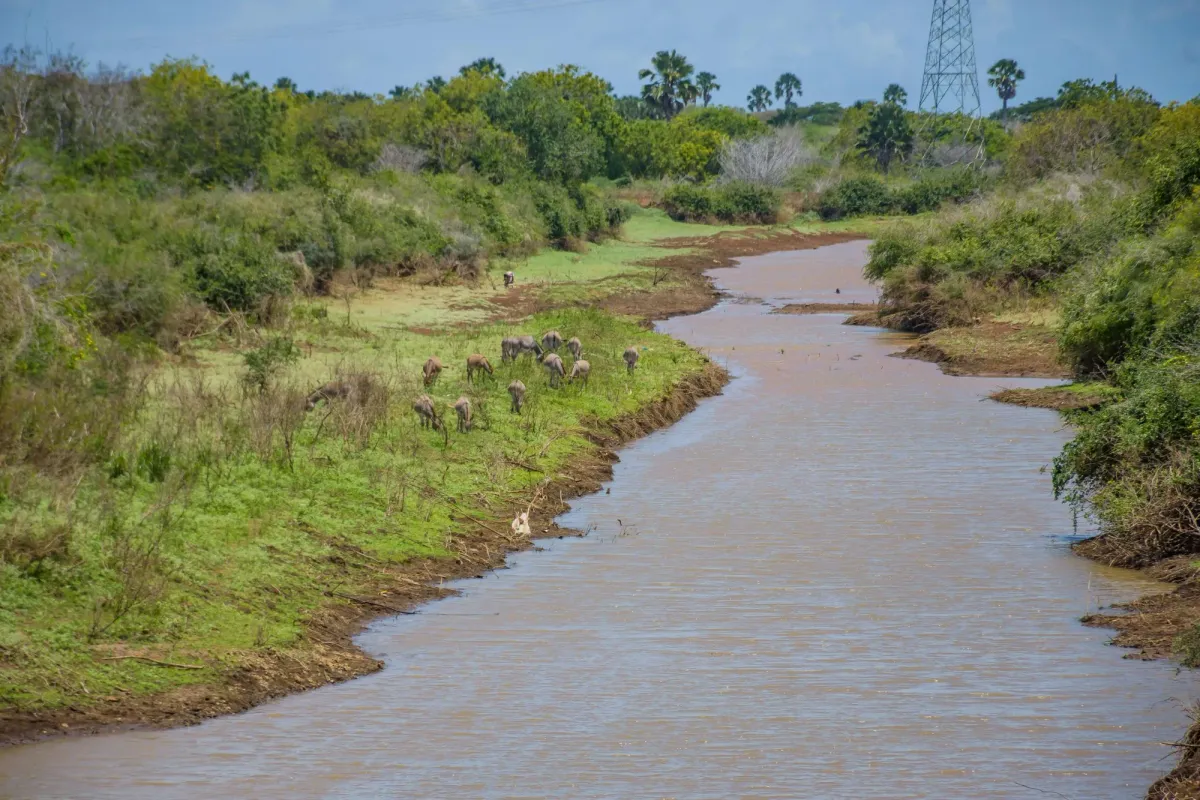
A tragic incident unfolded on Kenya’s Tana River on Tuesday when a hippopotamus attacked a canoe, resulting in the death of a one-year-old girl and leaving a student unaccounted for. The vessel, carrying 18 farmers and children, was on a routine crossing near Mikinduni Village when the violent encounter occurred, causing it to capsize. While 16 individuals were swiftly rescued from the water, the attack led to the drowning of the young child and the disappearance of another passenger.
Details of the Hippo Attack and Capsizing
The Tana River, the longest river in Kenya, became the scene of a devastating event when a hippopotamus launched an assault on a canoe. Eyewitness accounts and police reports indicate that the large animal overturned the boat, plunging its occupants into the river. The canoe was reportedly carrying a group of 18 people, a mix of farmers and children, highlighting the vulnerability of those relying on river transport for daily activities.
The attack, which occurred on Tuesday, transformed a seemingly ordinary journey into a life-threatening emergency. Rescuers were mobilized quickly, managing to save 16 individuals from the treacherous waters. However, the swiftness of the rescue efforts could not prevent the tragic loss of a 20-month-old girl, who tragically drowned. In addition to the fatality, one other passenger, identified as a student, remained missing in the immediate aftermath of the incident.
Recovery and Investigation
Following the discovery of the drowned child, her body was recovered from the river. It was subsequently transported to the Hola County Referral Hospital, where arrangements were made for a postmortem examination. This procedure is standard in such cases to determine the exact cause of death and to gather any relevant forensic information.
Authorities have launched an investigation into the incident to understand the circumstances surrounding the hippo’s aggression and the subsequent capsizing of the canoe. While hippos are known to be territorial and can be dangerous, particularly when surprised or protecting their young, the specifics of this attack are under review. The focus of the investigation will likely include the route taken by the canoe, the proximity to known hippo habitats, and any contributing factors that might have provoked the animal.
The Dangers of Wildlife Encounters in Riverine Communities
This tragic event underscores the inherent risks faced by communities living along rivers that are also home to large, potentially dangerous wildlife. The Tana River basin is known for its diverse ecosystem, which includes significant populations of hippos and crocodiles. While these animals are a natural part of the environment, their presence necessitates caution and awareness from local residents.
River crossings are often essential for transportation, accessing farmland, and daily commutes in many rural areas of Kenya. However, these crossings can become perilous when wildlife is present. Local authorities and conservation bodies often work to educate communities about safe practices and to mitigate human-wildlife conflict. This can include advising on the safest times and routes for river travel, and establishing buffer zones where possible.
The incident also highlights the importance of effective search and rescue operations in remote areas. The rapid response of rescuers in saving 16 individuals demonstrates the dedication of emergency services, though the loss of the child and the continued absence of the student serve as a somber reminder of the challenges involved.
Community Impact and Ongoing Search Efforts
The community of Mikinduni Village and the wider region are undoubtedly grappling with the shock and grief resulting from this attack. The loss of a young child and the uncertainty surrounding the missing student cast a pall over the area. Local leaders and emergency services are expected to provide support to the affected families during this difficult time.
Search efforts for the missing student are ongoing, with authorities deploying resources to cover the river and its banks. The hope is for a safe recovery, but the passage of time increases concerns for the individual’s well-being. The community remains anxious, awaiting news of the missing person while mourning the life lost.
Preventative Measures and Future Considerations
In the wake of such a devastating event, discussions regarding preventative measures are likely to intensify. These could include enhanced wildlife monitoring along the Tana River, increased public awareness campaigns about hippo behavior and safety protocols, and potentially the establishment of designated, safer river crossing points. The balance between human activity and wildlife conservation is a delicate one, and incidents like this serve as a stark reminder of the need for careful management and respect for the natural world.
The investigation into the specific circumstances of the attack will be crucial in informing future safety strategies. Understanding why the hippo attacked and how the canoe capsized will help authorities and communities develop more effective ways to coexist with the wildlife that shares their environment. The recovery of the missing student, if successful, will bring some measure of closure, but the memory of this tragic hippo attack will likely endure, prompting a renewed focus on safety along the Tana River.
