

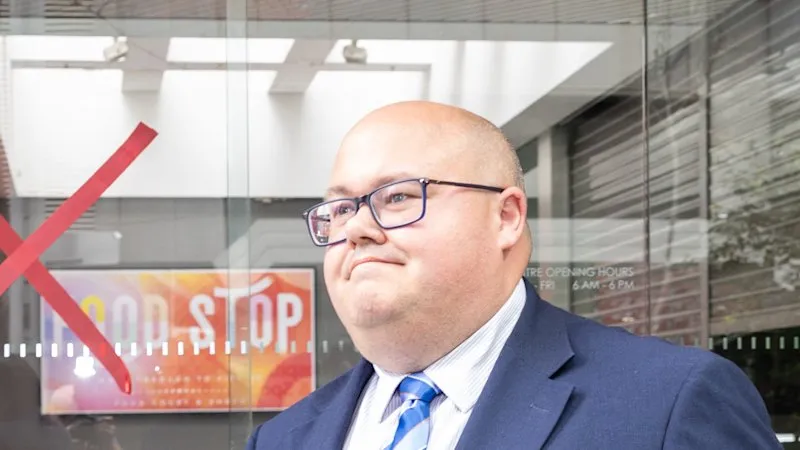
The Independent Commission Against Corruption (ICAC) in New South Wales is continuing its extensive investigation, codenamed Operation Rosny. The inquiry is scrutinizing allegations of corruption and breaches of electoral funding laws, with witness testimony set to resume. This phase of the hearing focuses on specific claims regarding the solicitation and acceptance of political donations, particularly those involving undeclared funds and prohibited donors, between 2019 and 2023.
Operation Rosny: A Broad Corruption Inquiry
Operation Rosny is a wide-ranging investigation by the ICAC into potential corrupt conduct within New South Wales. The commission’s inquiry is examining several distinct allegations, with the current proceedings concentrating on the intricacies of political fundraising and its potential misuse. The core of the investigation revolves around whether laws governing political donations were circumvented for purposes such as increasing party membership.
Allegation Two and Three: Focus of Current Testimony
The witnesses scheduled to provide evidence today are central to allegations two and three of the ICAC’s inquiry. While the specifics of these allegations are detailed, they broadly concern the handling of political donations and the potential involvement of various individuals and entities in practices that may contravene electoral funding legislation. The commission is meticulously examining the flow of funds and the intentions behind these financial transactions.
Examining Allegation One: Undeclared and Prohibited Donations
To understand the context of the ongoing testimony, it is crucial to outline the scope of the first major allegation being investigated by Operation Rosny. This allegation pertains to the period between 2019 and 2023 and centers on several key areas:
- Solicitation and Acceptance of Donations: The ICAC is investigating whether individuals, including Christian Ellis, Jeremy Greenwood, Robert Assaf, and Jean-Claude Perrottet, actively sought or accepted political donations. A significant aspect of this is the alleged involvement of prohibited donors and the failure to declare donations, as well as exceeding legal donation caps. The stated purpose for these actions, according to the allegations, included efforts to recruit or retain members for the Liberal Party.
- Donations from Catholic Schools New South Wales: The inquiry is also examining political donations allegedly made by Catholic Schools New South Wales. The commission is looking into whether these donations, which reportedly exceeded applicable caps and were not declared, were facilitated through payments arranged and approved by its Chief Executive Officer, Dallas McInerney. The alleged purpose was again to bolster Liberal Party membership, potentially through the use of sham contracts.
- Donations from Hotelier Michael O’Hara: Furthermore, the ICAC is scrutinizing political donations made by hotelier Michael O’Hara, identified as a prohibited donor. Similar to the other aspects of this allegation, the focus is on whether these donations were undeclared, exceeded legal limits, and were intended to support Liberal Party membership recruitment or renewal.
These specific points under Allegation One could potentially involve breaches of the Electoral Funding Act, a piece of legislation designed to ensure transparency and fairness in political financing. The commission’s work aims to determine if any individuals or entities acted unlawfully in their dealings with political donations.
The Role of Key Figures
The testimony in Operation Rosny involves a range of individuals, including former public officials and business figures. The ICAC is seeking to establish a clear picture of how political donations were managed, who was involved, and what the ultimate objectives were. The evidence presented is crucial for understanding the alleged mechanisms by which donations may have been improperly handled.
Jean Nassif, a former mayor of Strathfield, and Matthew Blackmore, another former mayor, are figures whose evidence has been, or is expected to be, a significant part of the commission’s proceedings. Their testimony is vital for corroborating or challenging other accounts and for shedding light on the practices under scrutiny.
Implications for Electoral Funding Laws
The outcomes of Operation Rosny could have significant implications for the enforcement and understanding of New South Wales’ electoral funding laws. By investigating allegations of undeclared donations, exceeding caps, and the use of prohibited donors, the ICAC is probing the effectiveness of current regulations and the potential for loopholes. The commission’s findings will likely inform discussions about potential reforms aimed at enhancing transparency and accountability in political fundraising.
The meticulous examination of financial records, communications, and witness accounts is designed to uncover any instances of corrupt conduct. The ICAC’s mandate is to uphold public integrity, and Operation Rosny represents a critical effort in that ongoing mission. As the hearings progress, further details are expected to emerge regarding the complex web of political donations and the individuals and organizations involved.
Conclusion: Upholding Public Trust
Operation Rosny continues its vital work in investigating serious allegations of corruption. The focus on political donations, their sources, and their intended use highlights the critical importance of transparency and adherence to electoral laws. The evidence being presented is key to determining whether breaches of the law have occurred and to reinforcing public trust in the integrity of the political process. The commission’s thorough approach aims to ensure accountability and to deter future misconduct.
