

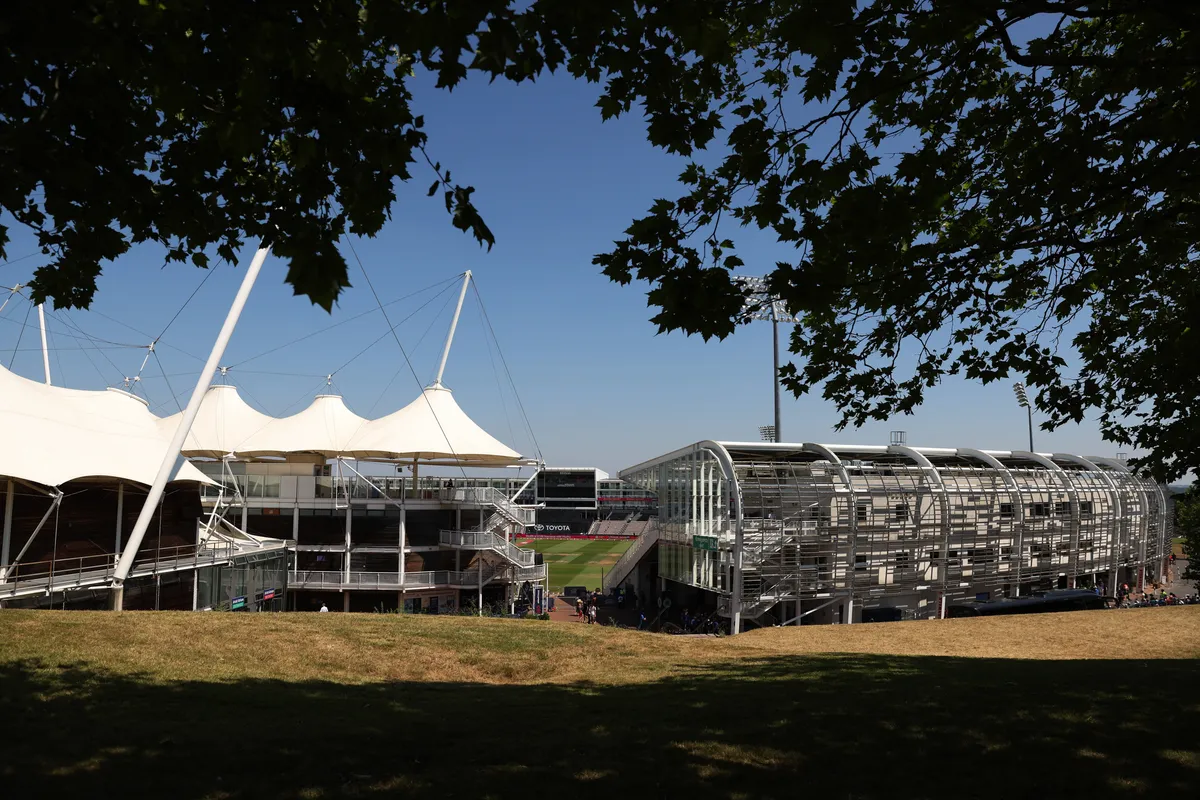
The final Twenty20 International (T20) match between England and India experienced a delayed start on Saturday due to unforeseen traffic congestion impacting the Indian team’s journey to the Utilita Bowl in Southampton. The scheduled toss, initially set for approximately 2:00 PM, was postponed as the Indian team bus had not yet reached the venue.
Match Disruption Due to Unforeseen Travel Issues
The Indian cricket squad encountered significant traffic delays en route to the stadium, preventing them from arriving in time for the pre-match coin toss. This disruption led to a revised schedule, with the toss eventually taking place at 2:45 PM and the match commencing 15 minutes later than originally planned. The delay, while seemingly minor, highlighted existing concerns regarding the accessibility and infrastructure surrounding the Utilita Bowl.
Concerns Over Stadium Infrastructure and Accessibility
This incident marks the second occasion in recent summers where congestion has affected match timings at the Southampton venue. The situation has prompted discussions and raised concerns, particularly in light of the stadium’s upcoming role in hosting a crucial home Ashes Test match within the next year. The 15,000-capacity ground’s surrounding infrastructure has faced criticism for its inadequacy in managing large influxes of attendees.
Challenges with Local Transport Links
Specific issues have been raised about the efficiency of local transport options. Reports indicate that shuttle bus journeys, covering a distance of less than four miles from the nearest train station, have taken over an hour to complete. This lengthy travel time for a relatively short distance underscores the challenges faced by fans and teams alike in reaching the Utilita Bowl, especially during peak times or major events.
Impact on Spectator Experience and Future Events
The repeated occurrence of such delays can negatively impact the spectator experience, potentially leading to frustration and missed portions of the game for attendees who encounter similar transport difficulties. For the cricketing authorities and the venue management, these recurring issues pose a significant challenge in ensuring smooth operations for high-profile events like the Ashes Test. The need for improved traffic management and enhanced public transport solutions is becoming increasingly evident.
Background on Utilita Bowl and Its Role
The Utilita Bowl, located in West End, Southampton, is a prominent cricket ground in England, serving as the home ground for Hampshire County Cricket Club. It has hosted international cricket matches across all formats, including Test matches, One Day Internationals (ODIs), and T20 Internationals. Its capacity of 15,000 makes it a significant venue for major cricketing events.
Previous Incidents and Infrastructure Scrutiny
The current traffic issue is not an isolated incident. Similar problems have arisen in the past, leading to scrutiny of the venue’s accessibility. The proximity of the stadium to major road networks, coupled with potentially insufficient local infrastructure to handle large crowds, creates a vulnerability to traffic-related delays. This has led to calls for investment in better transport links and more robust traffic management plans.
Looking Ahead: The Ashes Test and Beyond
With the Ashes Test on the horizon, the recurring traffic and accessibility issues at the Utilita Bowl are a cause for concern. Ensuring that the venue can comfortably accommodate players, officials, and a large number of spectators without significant disruption is paramount. This will likely involve closer collaboration between the venue, local authorities, and transport providers to implement effective solutions.
Conclusion: Addressing the Challenges
The delay to the England vs. India T20 match serves as a stark reminder of the logistical challenges that can arise from inadequate infrastructure. While the immediate impact was a rescheduled start time, the broader implications for future major events, particularly the upcoming Ashes Test, necessitate a proactive approach. Addressing the traffic congestion and improving transport links to the Utilita Bowl will be crucial for maintaining the venue’s reputation and ensuring a positive experience for all involved in the world of cricket.
