

Japan welcomed a record 42.7 million visitors in the past year, yet a journey along its western seaboard reveals tranquil coastlines and authentic cultural experiences far from the bustling crowds. While popular destinations like Kyoto and Tokyo grapple with overwhelming visitor numbers, a different side of Japan offers a serene and unjaded encounter with its traditions and natural beauty.
The Booming Tourism Paradox
Japan’s tourism sector is experiencing unprecedented growth, with 2025 seeing 42.7 million international arrivals, surpassing previous records. This surge, however, has led to significant overcrowding in iconic locations. Places like Kyoto’s historic temples and Tokyo’s vibrant Shinjuku district are struggling to manage the influx, diminishing the visitor experience. Even sobering sites such as Hiroshima’s Peace Memorial Museum, dedicated to the 1945 atomic bombing, can feel overwhelmed, hindering the reflective atmosphere it warrants.
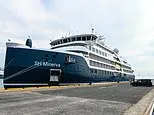
Amidst this boom, a ten-day cruise along Japan’s western coast aboard the SH Minerva offered a stark contrast. This voyage, designed for a small group of 71 guests, navigated the less-traveled paths of the Sea of Japan, revealing sacred sites and natural wonders rarely seen by the typical tourist. The relative quiet of the west coast provides an opportunity to connect with Japan on a more intimate level, especially with the yen’s favorable exchange rate making the country an excellent value for travelers.
Sakaiminato: An Authentic Port Town Experience
The cruise’s first notable stop was Sakaiminato, a charming port town of 30,000 people. Known for its delicious snow crab, the town provided an immediate immersion into local life. A visit to a traditional onsen (hot spring bath) offered a moment of quiet contemplation. Despite initial apprehension about navigating the ritualistic onsen culture as a foreigner, the experience was met with acceptance, allowing for a blissful soak in the 42°C waters.
Later, a shuttle took the author to Mizuki Shigeru Road, a street dedicated to the works of a famous manga artist. Here, on a quiet Sunday afternoon, the atmosphere was distinctly local. Families and couples enjoyed matcha ice cream and browsed artisan shops selling traditional crafts, with few other Western tourists in sight. A visit to the Chiyomusubi distillery, established in 1865, offered a chance to sample sake alongside locals, embodying a sense of ‘real’ Japan.
Gardens and Artistry Away from the Crowds
The following day’s excursion led to the Adachi Art Museum and Yuushien Gardens. In contrast to the potential crowds at similar attractions in more popular cities, these gardens offered ample space for peaceful enjoyment. The Adachi Museum houses an impressive collection of Nihonga (Japanese-style paintings) and is renowned for its meticulously designed Japanese gardens. These landscapes, featuring raked gravel, sculpted pines, and water features, artfully represent natural scenery like mountains and seascapes.
Maizuru and the Scenic Amanohashidate
Sailing onward, the ship docked at Maizuru, a city with a significant post-World War II history as a repatriation center. The excursion here focused on Amanohashidate, a striking two-mile-long sandbar that stretches across Miyazu Bay. To appreciate the vista, visitors took chairlifts, accompanied by classical music, to a hilltop viewpoint. From there, a local tradition called ‘matanozoki’ involves bending over and looking at the sandbar upside down between one’s legs, a perspective said to resemble a dragon ascending to heaven.
The experience was further enlivened by a visit to a nearby Shinto shrine, where a costumed performer added a touch of the surreal to the ancient site. The day concluded with a substantial lunch featuring local delicacies like glass noodles, tempura, and beef hotplate.
Sado Island: Echoes of Maritime History
Further north, the voyage reached Sado Island, a volcanic isle with a rich history tied to coastal rice trade. The island showcases elegant homes built by prosperous shipbuilders and merchants. Centuries ago, earthquakes exposed rocky shores, leading locals to develop unique fishing methods using wooden coracles—small, buoyant boats—to gather shellfish and seaweed. Trying out one of these distinctive vessels offered a hands-on connection to the island’s past.
Sakata and the Sacred Mountains
The journey neared its end as the ship called at Sakata, a port on Honshu Island near Hokkaido. This location is notably off the beaten track, receiving only about 20,000 tourists annually. The town is dramatically set against the backdrop of the snow-streaked Mount Chokai. Visitors were greeted with lively drumming performances, a recurring theme of warm, authentic welcomes encountered along the western coast.
A highlight was traversing the Shonai Plain’s rice paddies towards three sacred mountains. On Mount Haguro, a 400-year-old pilgrimage route with 2,466 stone steps winds through a forest of towering cedar trees. Reaching a five-tiered wooden pagoda, the author encountered an ascetic monk. At a Shinto shrine, the ritual of clapping to awaken forest deities was observed.
Reflection on Serenity and Spirituality
This pilgrimage route, unlike similar paths in more frequented areas, was remarkably serene. The silence, broken only by birdsong and the footsteps of fellow pilgrims, allowed for deep reflection on Japan’s natural beauty and its spiritual underpinnings, particularly the Shinto reverence for nature. The challenging climb was a fitting end to an experience that emphasized the quiet, profound beauty of Japan’s less-explored regions.
This journey along Japan’s western coast underscored that while the country’s overall tourism numbers are soaring, pockets of tranquility and authentic cultural engagement remain accessible. By venturing beyond the well-trodden paths, travelers can discover a Japan that is both breathtakingly beautiful and refreshingly uncrowded.
