

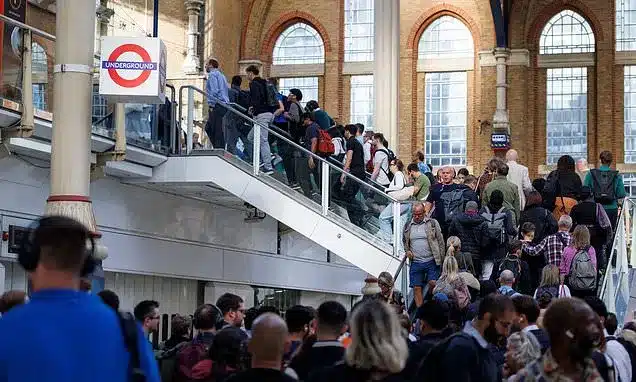
Tube drivers earning around £72,000 annually prepare to halt services across London, causing widespread disruption for millions of commuters. The Rail, Maritime and Transport (RMT) union announces 24-hour walkouts starting at 12 p.m. on Tuesday and Thursday, projecting a £250 million economic loss.
Service Disruptions and Impacts
The Piccadilly and Circle lines shut completely during the strikes, while most other lines operate on reduced schedules for at least four days. Transport for London (TfL) urges passengers to check services before traveling, as variations occur across networks. A separate Stagecoach bus strike from 5 a.m. Friday affects additional routes.
Dispute Over Four-Day Week
RMT opposes TfL’s proposed four-day working week, arguing it risks driver fatigue and safety. TfL maintains the changes remain voluntary, align Underground operations with other rail companies, and enhance reliability without extra costs or reduced hours. Drivers opting for five-day weeks continue unaffected. The Aslef union accepts the adjustments, reducing average hours from 36 to 35 weekly.
Tube drivers earn a base salary of £71,170, often exceeding £75,000 with overtime and allowances. Benefits include a TfL pension with 33% employer contributions against 5% employee input, free TfL travel, and 75% discounts on train season tickets. Entry requires GCSEs in maths and English, with six months of training.
Political and Economic Reactions
Susan Hall, head of the Conservative group at the London Assembly, criticizes Mayor Sir Sadiq Khan for inaction. “Sadiq Khan said he would see no strikes,” she states. “Now he’s sitting back and doing absolutely nothing while Londoners suffer.”
Shadow Transport Secretary Richard Holden accuses Khan of yielding to unions. “Sir Sadiq Khan promised zero strikes, but London suffers while RMT calls the shots,” he says. “Conservatives warned this; Labour won’t confront unions as passengers and taxpayers bear costs.”
Laila Cunningham, Reform UK’s mayoral candidate, advocates greater Tube automation to reduce expenses and disruptions. On semi-autonomous lines, machines manage stops and starts, with drivers handling doors and emergencies.
Simon French, chief economist at Panmure Liberum, estimates strike costs at £210 million. “Londoners adapt well, but core workers unable to work from home face ongoing issues in a sluggish economy,” he notes.
Union and TfL Statements
RMT General Secretary Eddie Dempsey expresses frustration. “We approached negotiations in good faith, but TfL refuses concessions to avert strikes,” he says. “This baffles negotiators and angers members seeking resolution.”
TfL Chief Operating Officer Claire Mann outlines proposals. “We offer train operators an extra day off, improving flexibility at no added cost,” she explains. “Changes stay voluntary with no hour cuts.” TfL deems walkouts unnecessary.
