

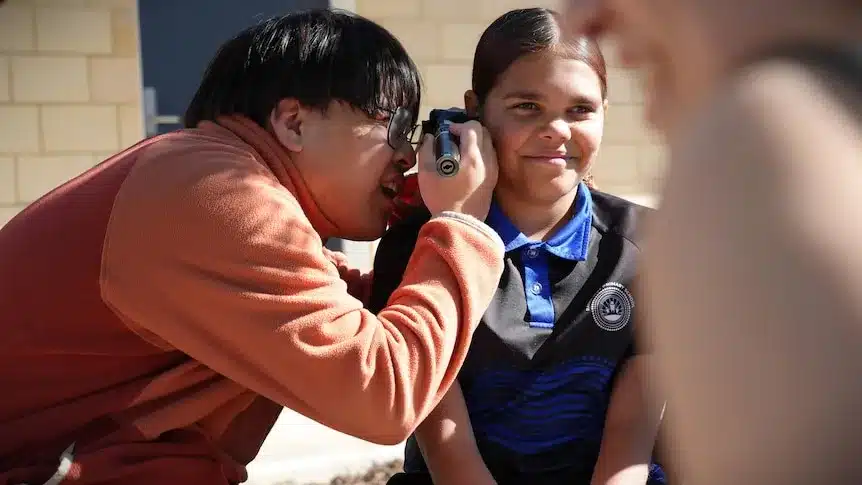
A groundbreaking initiative is bringing vital hearing health services directly to students in Western Australia’s vast Midwest region, tackling significant service gaps and ensuring young learners can access crucial care. The Buranymarda Marugundi Program, a collaborative effort between Teach Speak Hear and the Ear Foundation Australia, utilizes a specially equipped mobile health unit to deliver comprehensive hearing assessments and coordinated therapy services to remote schools.
Addressing Critical Service Gaps in Rural Healthcare
Students in regional and remote areas often face considerable challenges in accessing specialized healthcare services, including audiology and speech pathology. Long distances, limited availability of professionals, and the logistical complexities of travel can create substantial barriers to timely diagnosis and treatment. This program directly confronts these issues by deploying a ‘drive-in, drive-out’ model, bringing essential services to the doorstep of schools.
The mobile health unit is more than just a vehicle; it’s a fully equipped clinic designed to provide a range of diagnostic and therapeutic interventions. This approach ensures that students who might otherwise miss out on vital check-ups and ongoing support can receive consistent and high-quality care. The program aims to identify hearing impairments early, which is critical for a child’s development, educational attainment, and overall well-being.
Comprehensive Care On-Site
The Buranymarda Marugundi Program offers a multi-faceted approach to student health. Key components include:
- Hearing Assessments: Professional audiologists conduct thorough hearing tests to identify any issues, from mild hearing loss to more significant impairments. Early detection is paramount, as untreated hearing problems can lead to difficulties with speech development, learning, and social interaction.
- Speech Therapy: Recognizing the strong link between hearing and speech, the program integrates speech pathology services. Therapists work with students to address any speech or language delays or disorders that may be related to or exacerbated by hearing difficulties.
- Occupational Therapy: The program also includes occupational therapists who can assess and support students with a range of developmental and learning challenges. Their involvement ensures a holistic approach, addressing sensory processing, fine motor skills, and other areas that can impact a child’s ability to learn and thrive in a school environment.
- Coordinated Care: A significant strength of the program is its emphasis on coordinated care. By having multiple allied health professionals working together within the same mobile unit, students can receive integrated support. This seamless collaboration allows for a more comprehensive understanding of each child’s needs and facilitates the development of tailored intervention plans.
This integrated model is designed to streamline the process for families and schools, reducing the need for multiple appointments at different locations and minimizing disruption to students’ education.
Targeting Specific Communities
The program is specifically targeting communities within the Midwest region, including areas like Yalgoo, Mount Magnet, and Meekatharra. These locations, like many in regional Australia, often experience the most acute shortages of specialized health services. By focusing on these areas, the Buranymarda Marugundi Program seeks to make a tangible and immediate impact on the lives of students and their families.
The initiative is set to run for an initial period of three years, providing a sustained commitment to improving hearing health outcomes in these underserved communities. This long-term vision allows for the establishment of trust, the development of ongoing relationships with schools and families, and the tracking of meaningful progress.
The Importance of Early Intervention
Early intervention is a cornerstone of effective healthcare, particularly for children. Undiagnosed or untreated hearing loss can have profound and lasting effects on a child’s academic performance, social development, and emotional well-being. Children with hearing impairments may struggle to keep up in the classroom, leading to frustration, disengagement, and potential learning difficulties. Furthermore, difficulties in communication can impact their ability to form friendships and participate fully in social activities.
By bringing diagnostic and therapeutic services directly to schools, the Buranymarda Marugundi Program significantly enhances the likelihood of early identification and intervention. This proactive approach not only helps children overcome immediate challenges but also sets them on a path for greater success throughout their educational journey and beyond.
A Model for Future Service Delivery
The success of the Buranymarda Marugundi Program could serve as a valuable model for addressing healthcare disparities in other regional and remote areas across Australia. The innovative use of mobile health units demonstrates a flexible and effective way to overcome geographical barriers and ensure equitable access to essential services.
The collaboration between Teach Speak Hear and the Ear Foundation Australia highlights the power of partnerships in tackling complex social and health issues. By pooling resources, expertise, and a shared commitment to improving outcomes, these organizations are making a real difference in the lives of students in the Midwest. The program’s focus on integrated care, delivered conveniently and effectively, represents a forward-thinking approach to rural health service delivery.
Looking Ahead
Over the next three years, the Buranymarda Marugundi Program will continue its vital work, reaching numerous schools and supporting hundreds of students. The long-term goal is to foster a generation of young people in the Midwest who have the best possible foundation for learning and development, free from the preventable challenges posed by untreated hearing and communication issues. This initiative underscores the importance of innovative solutions in ensuring that all children, regardless of their location, have the opportunity to reach their full potential.
